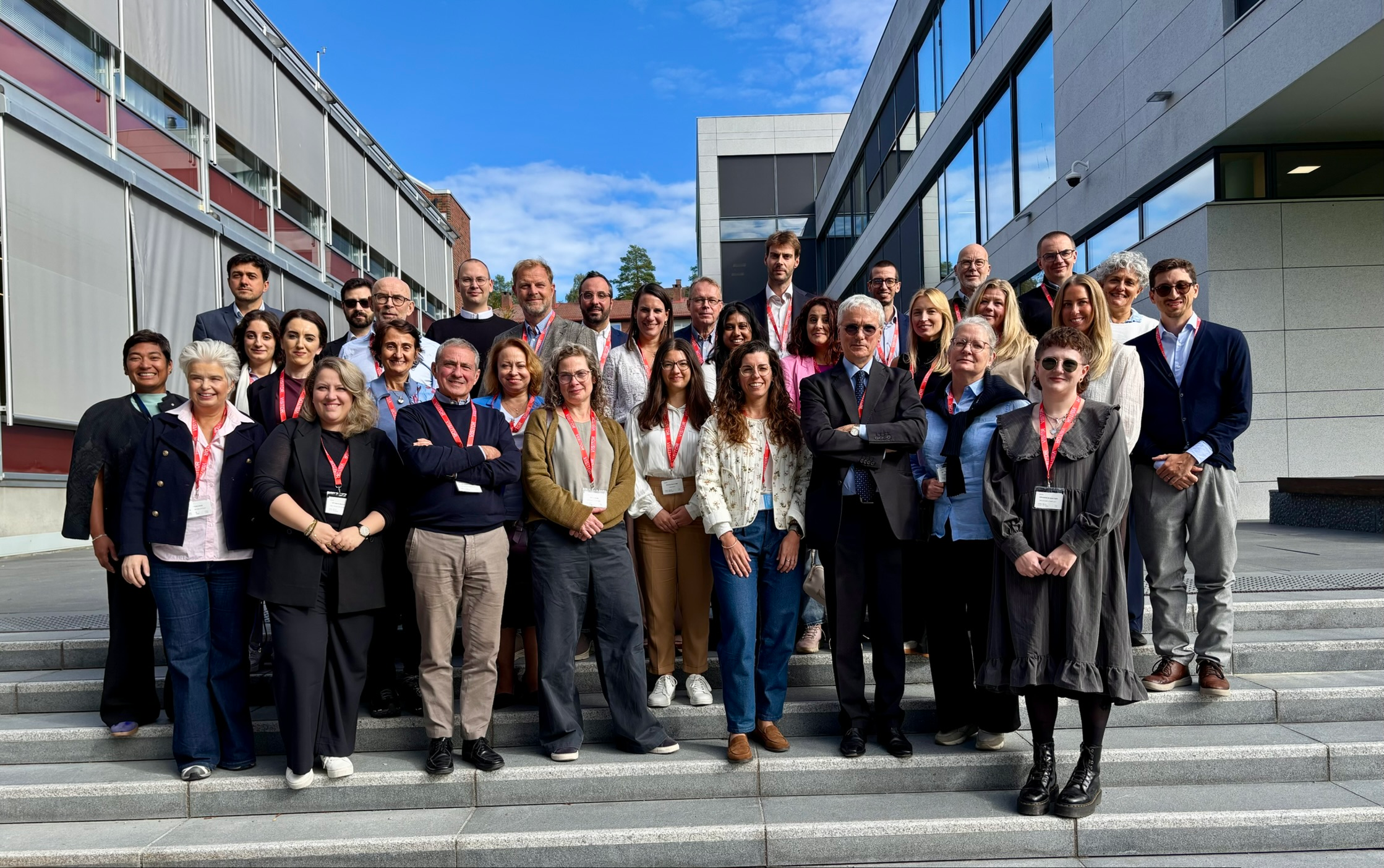
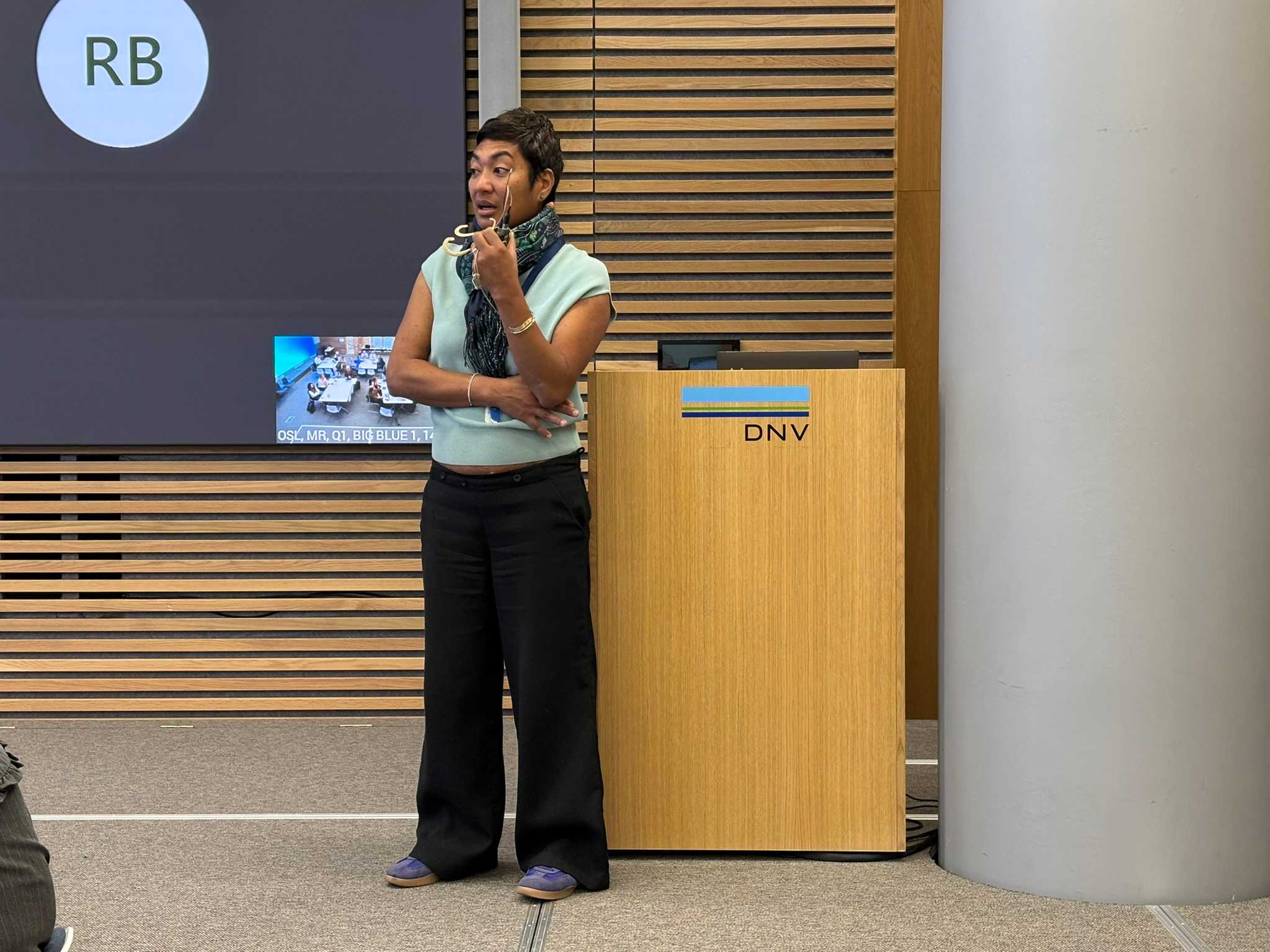
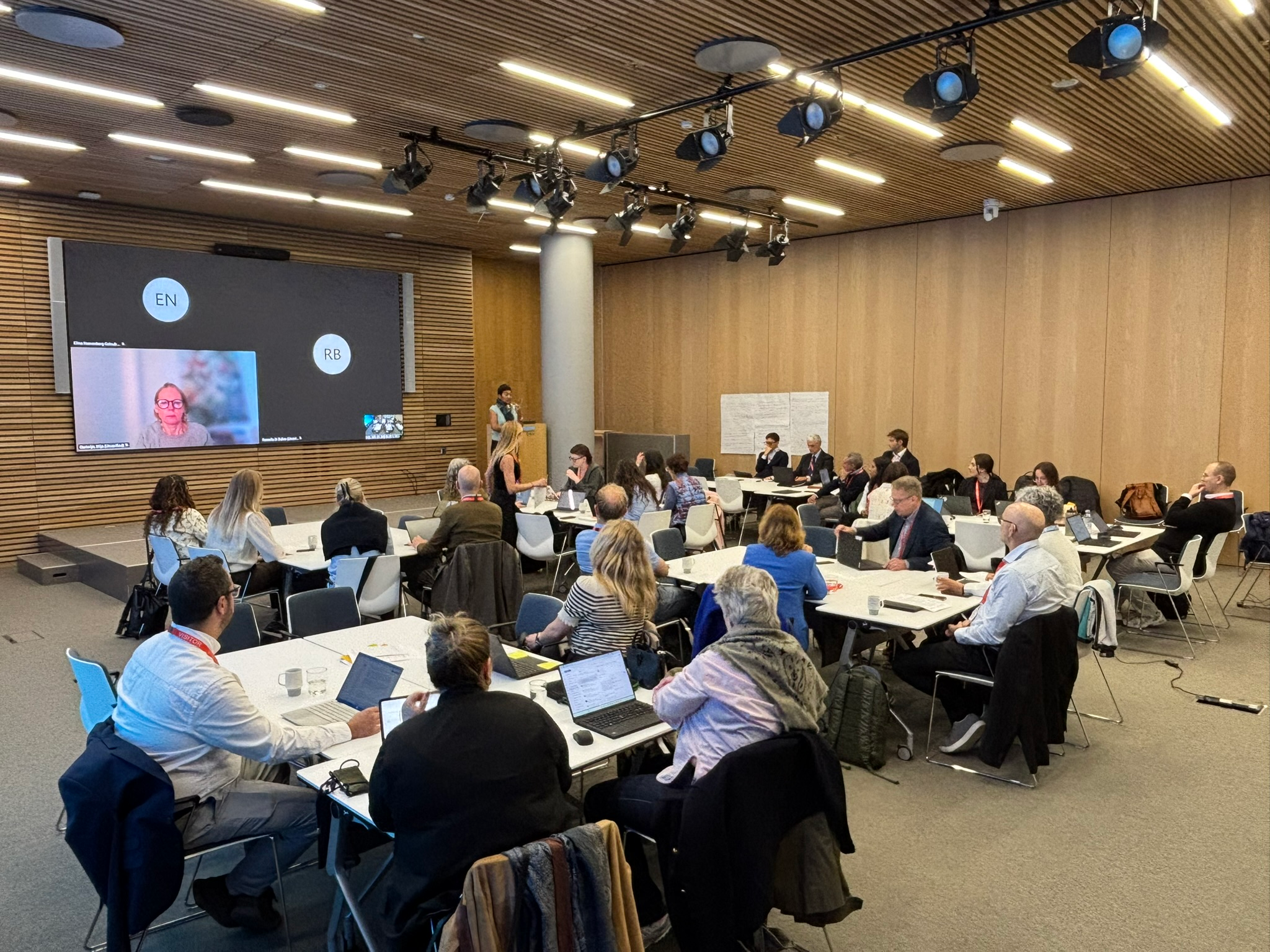
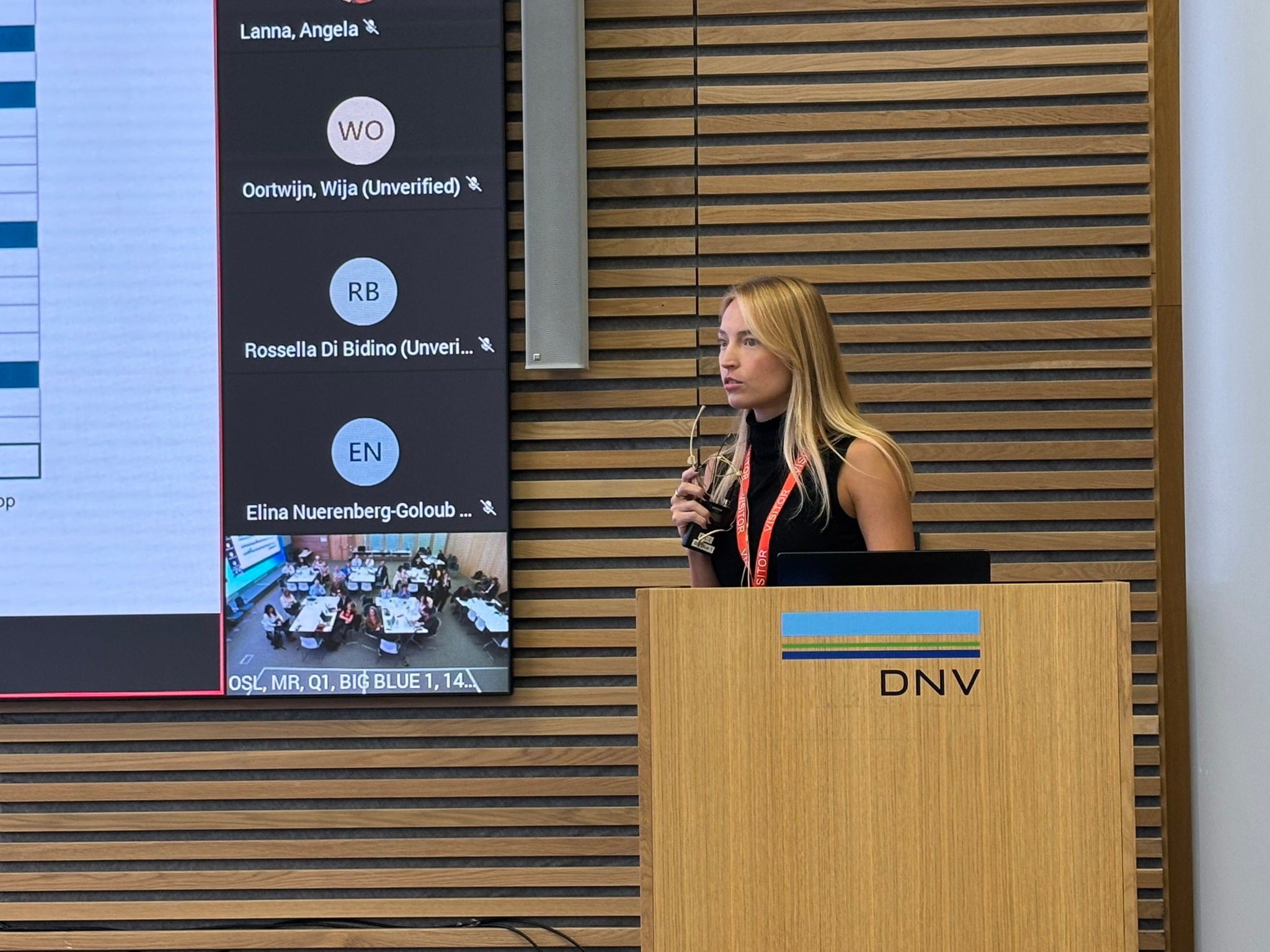
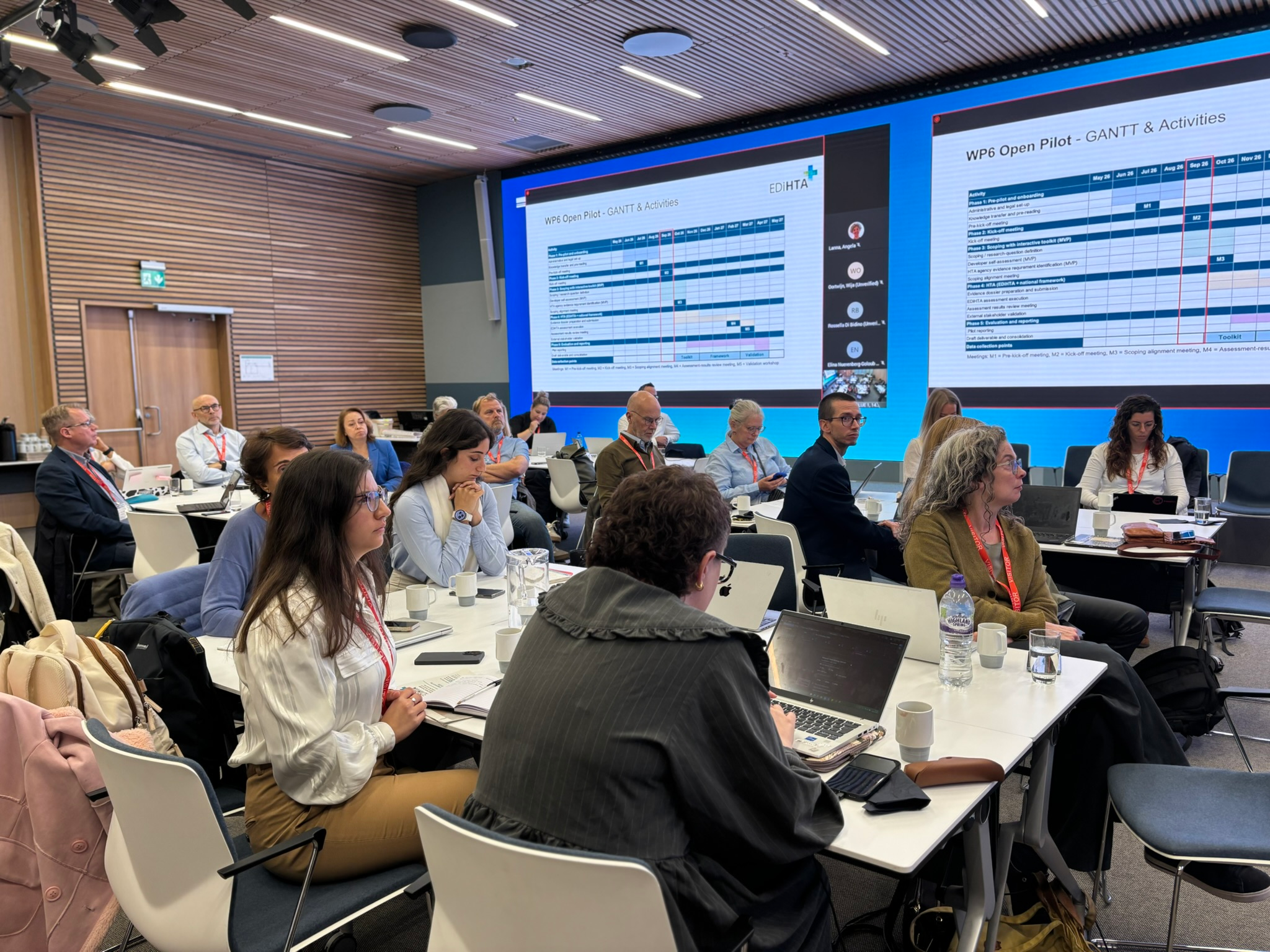
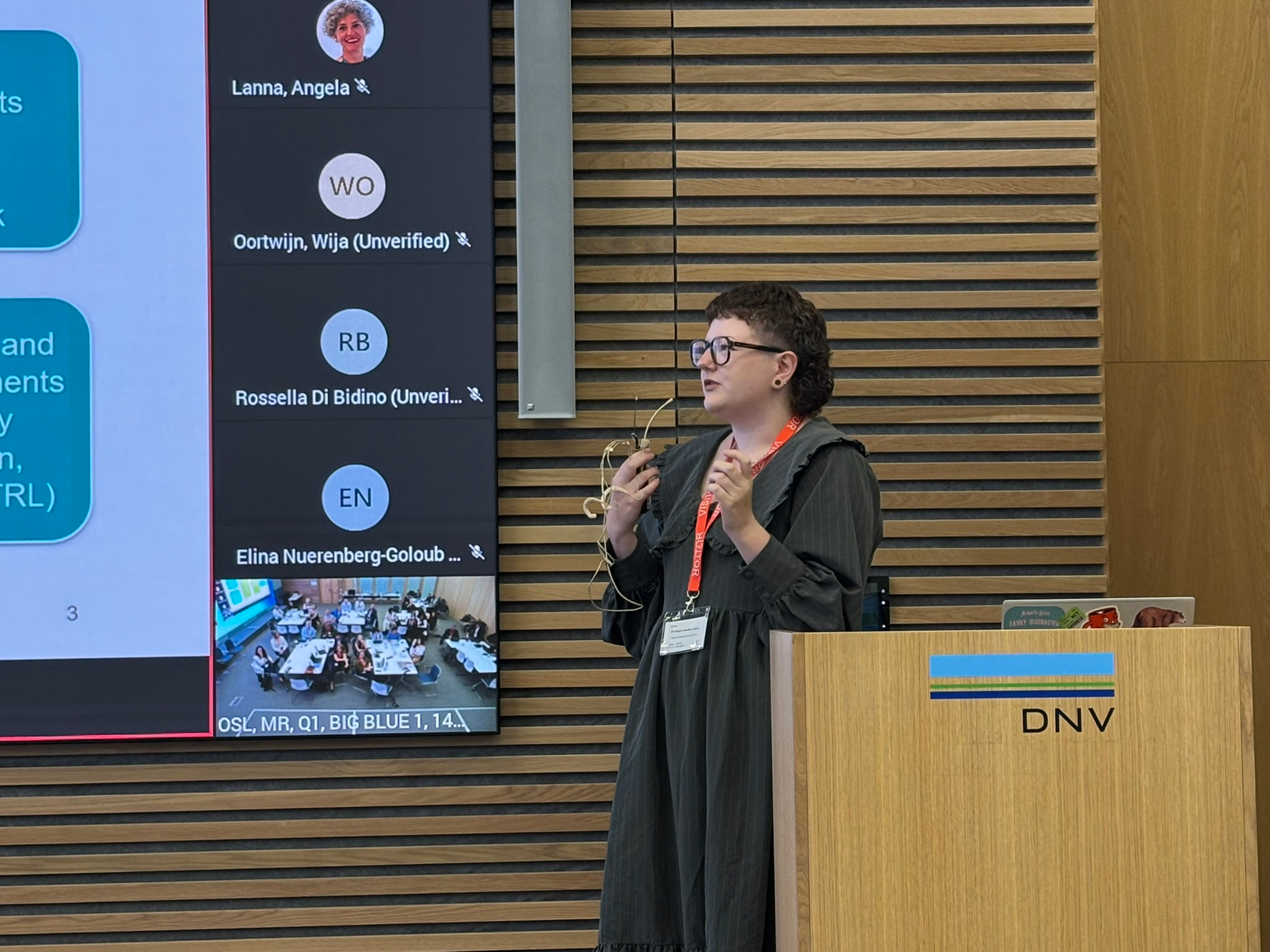
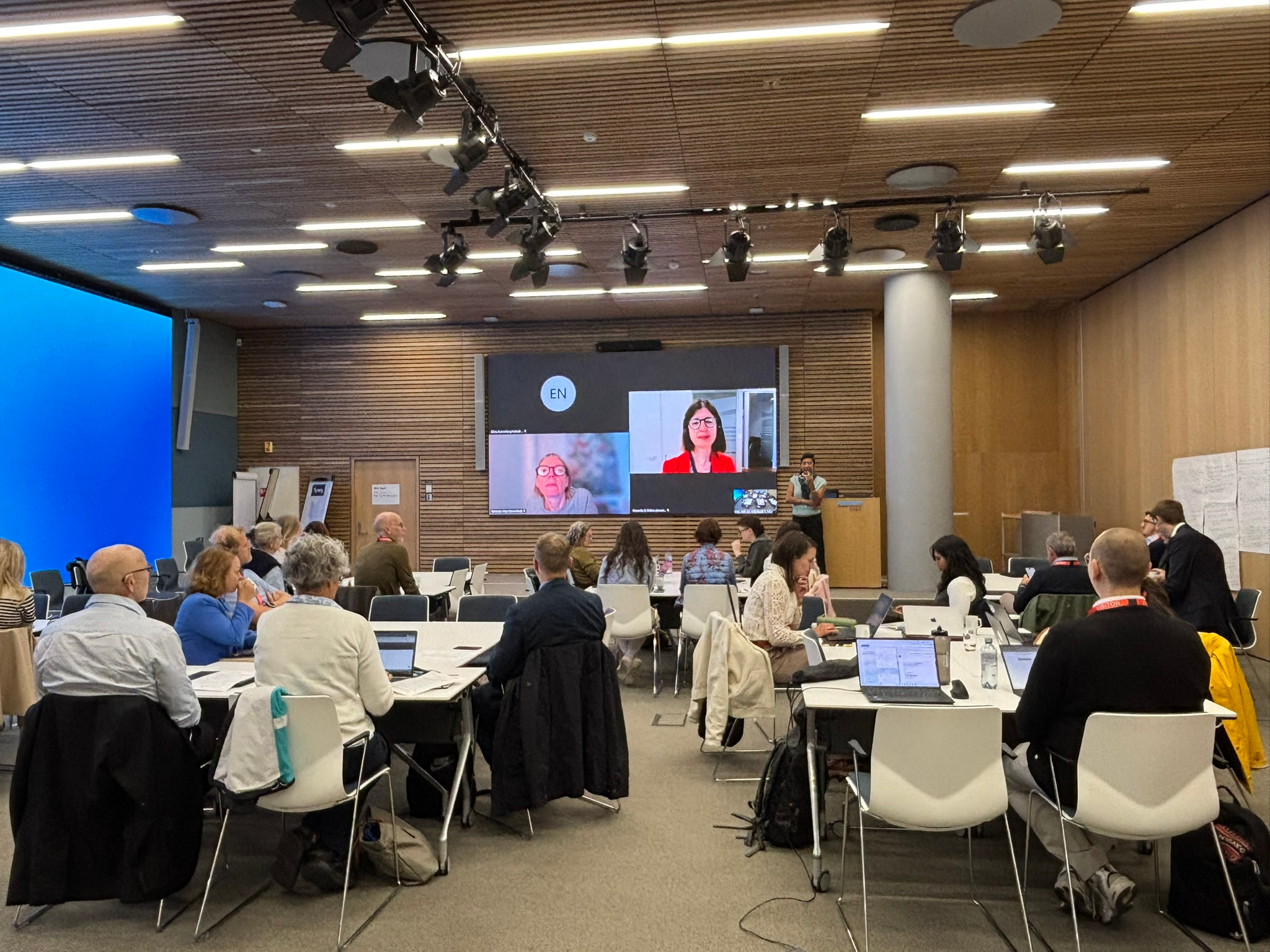
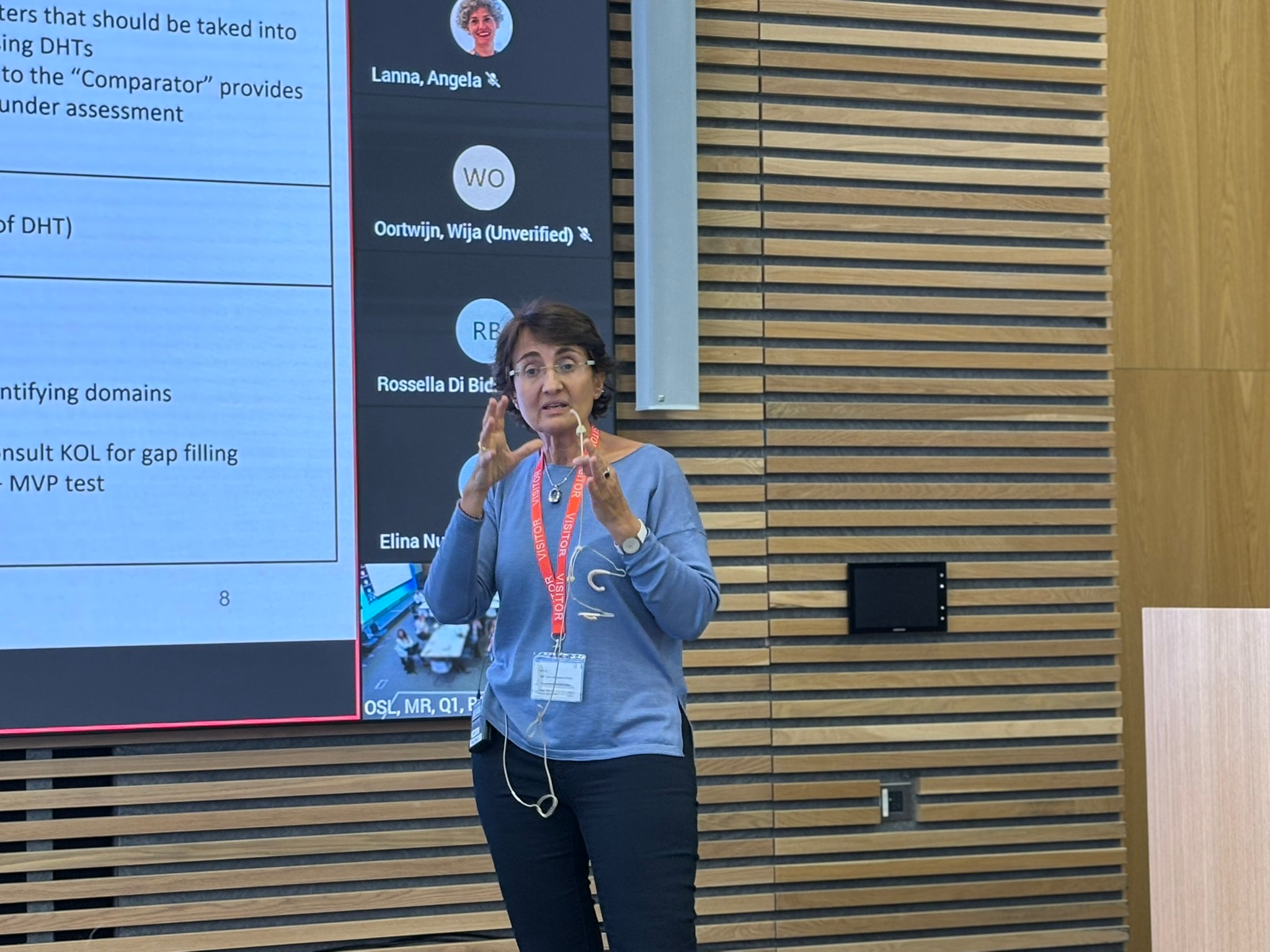
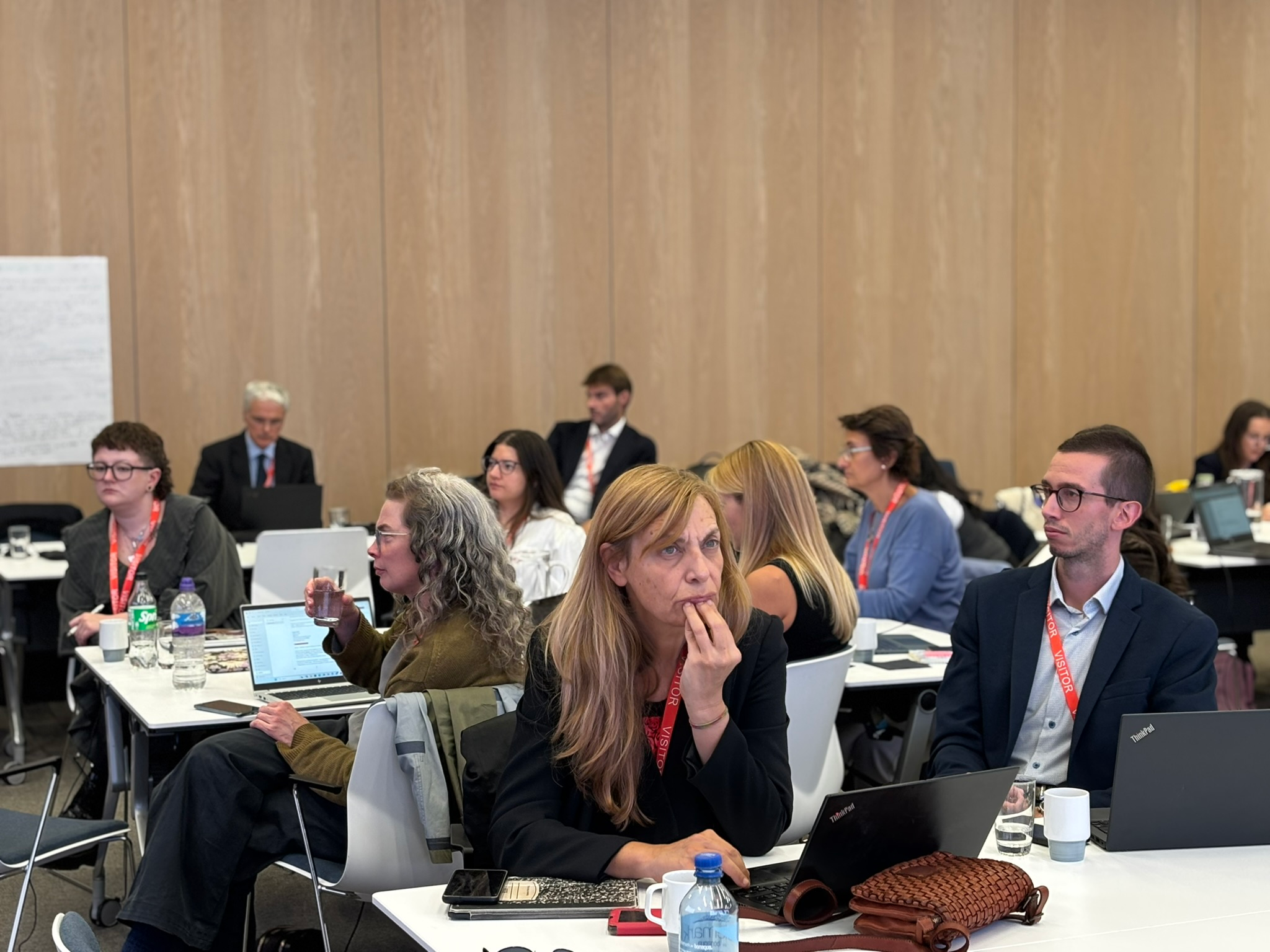
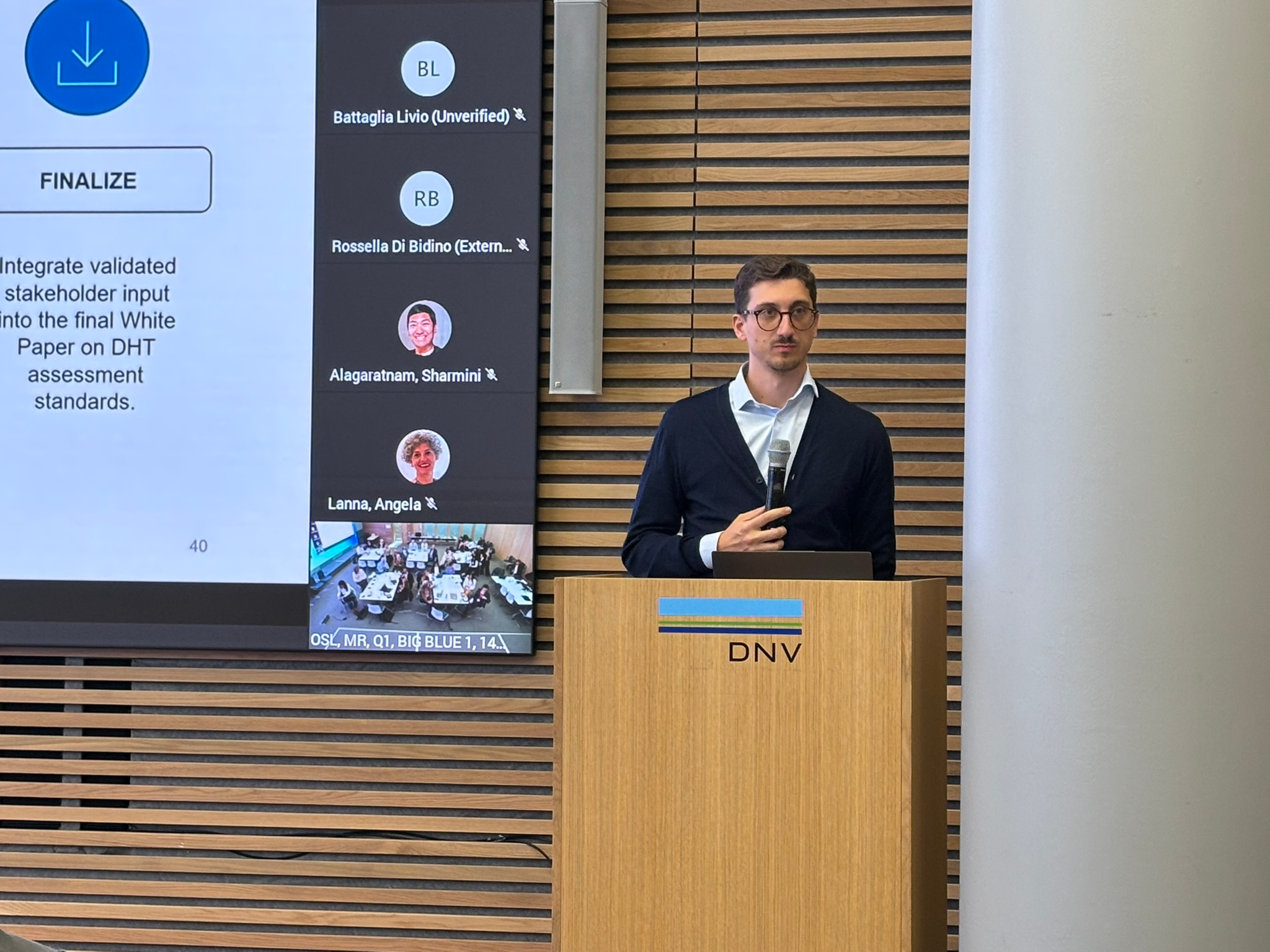
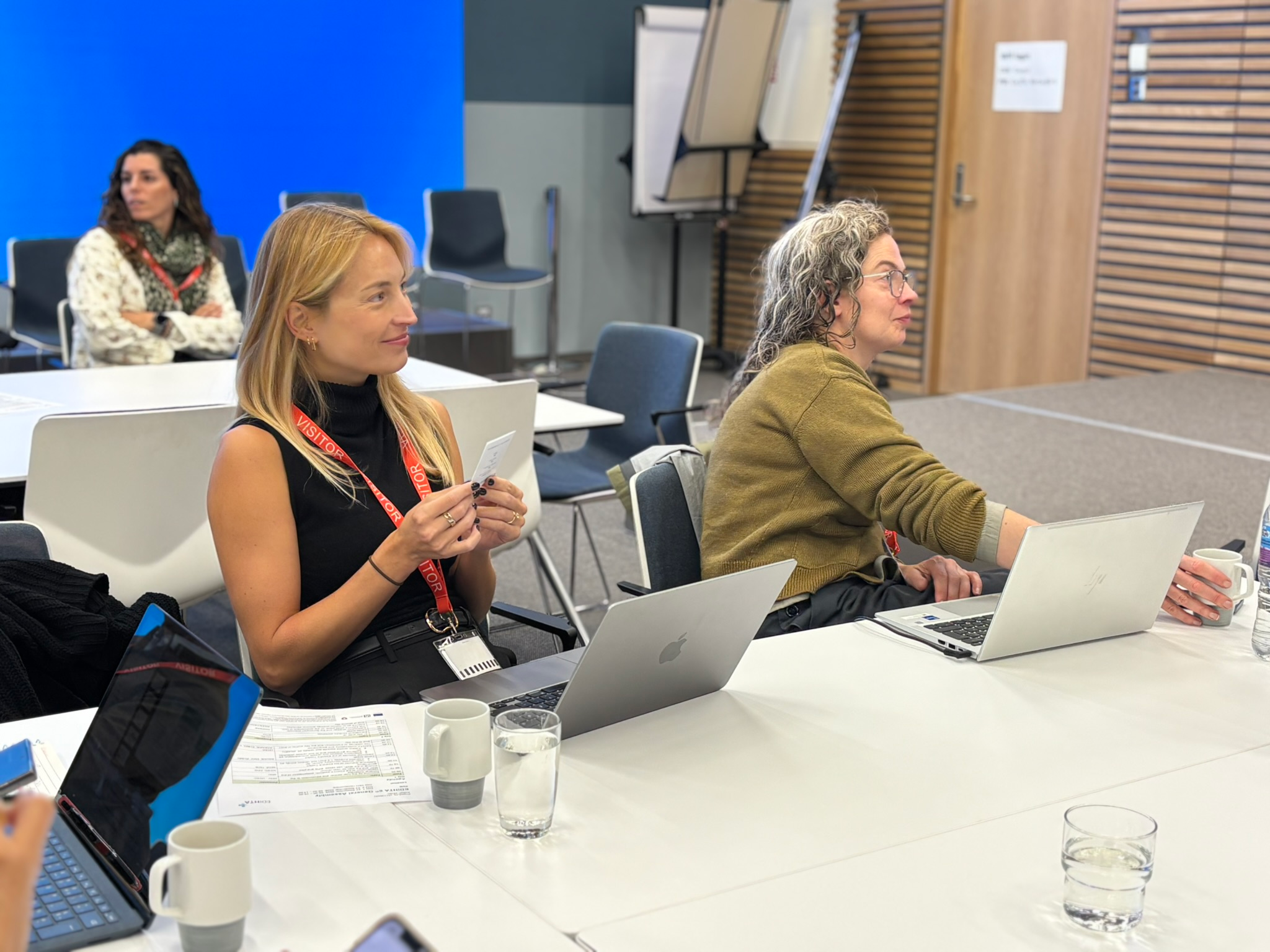

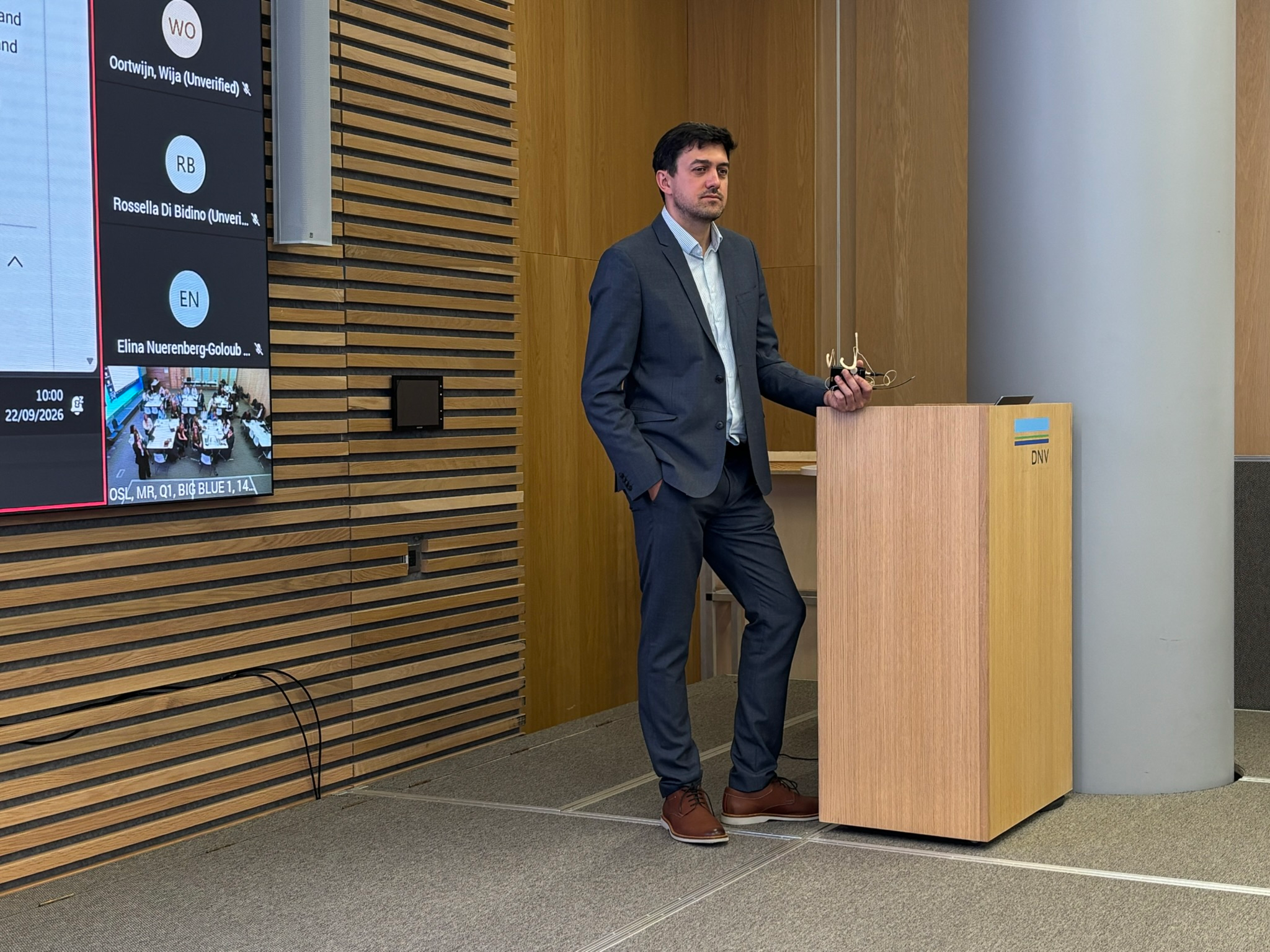
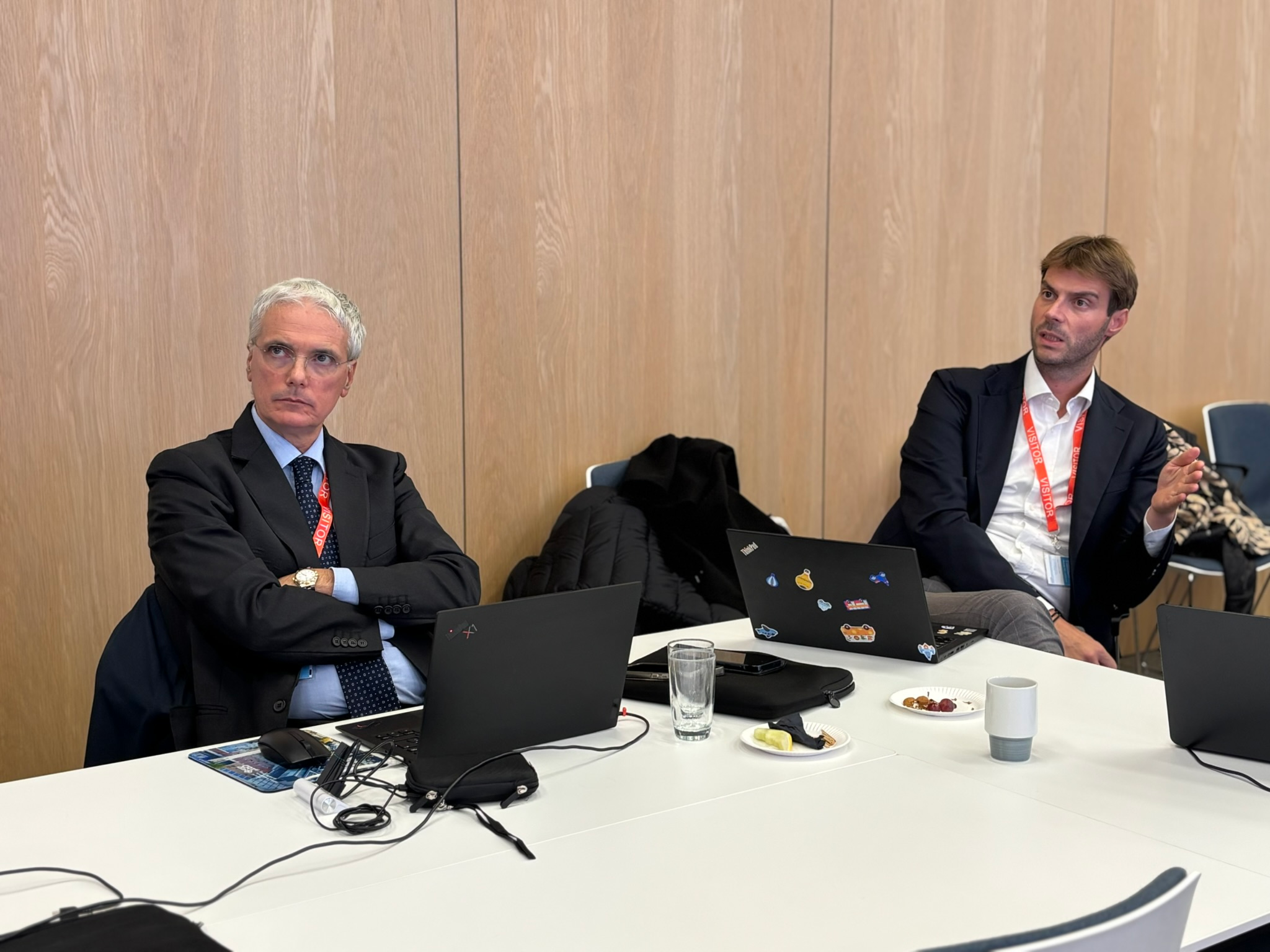
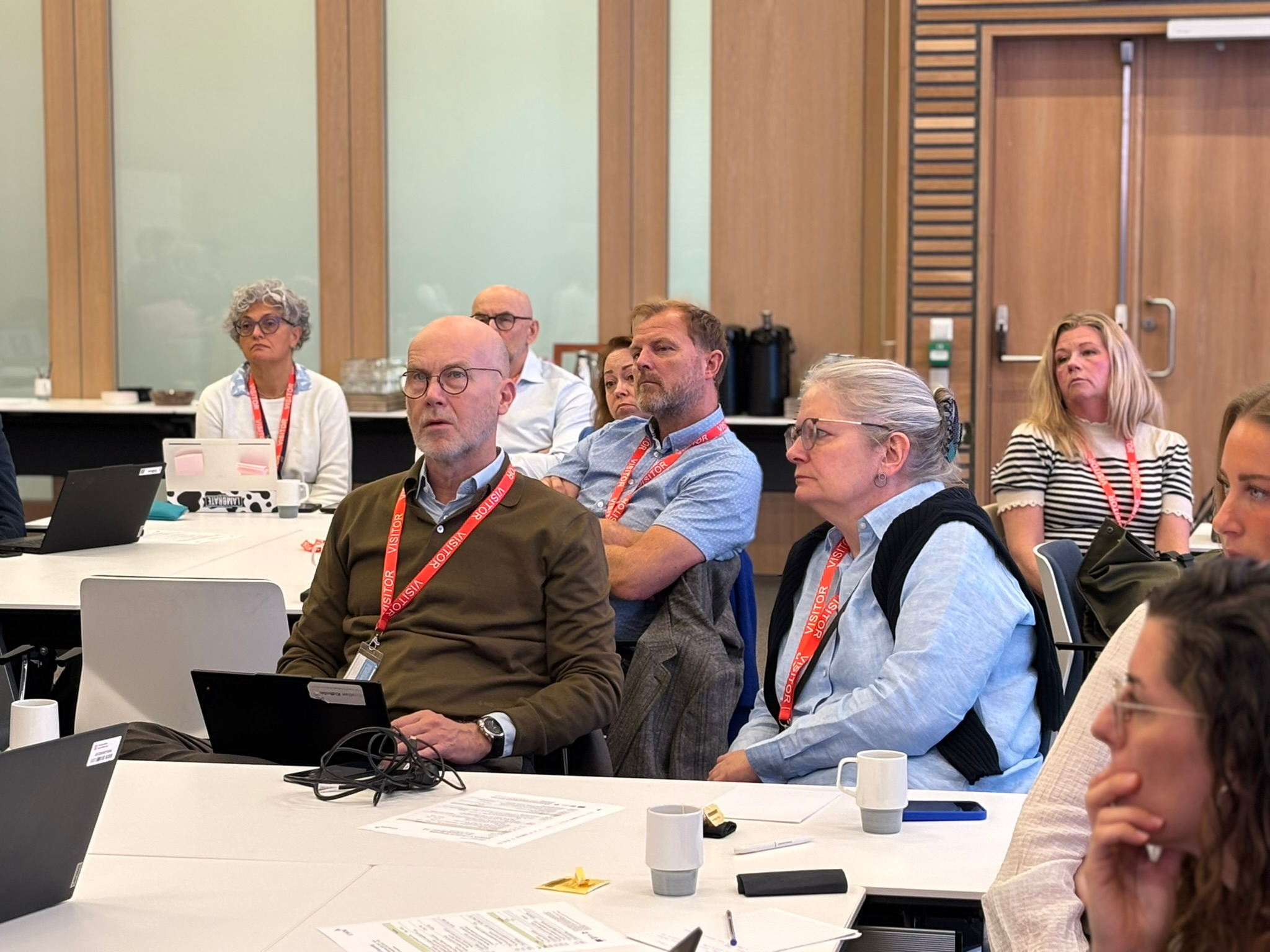
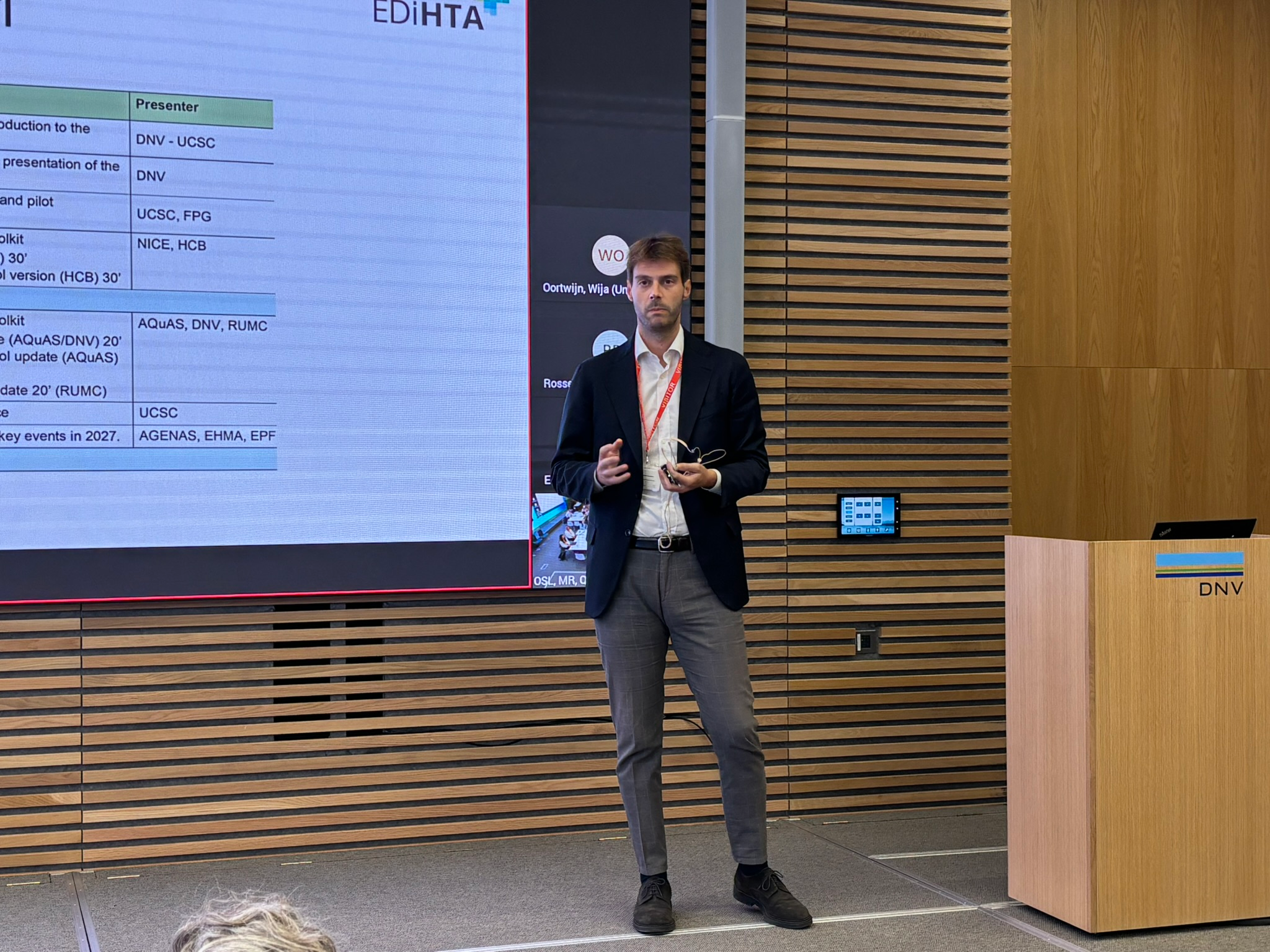
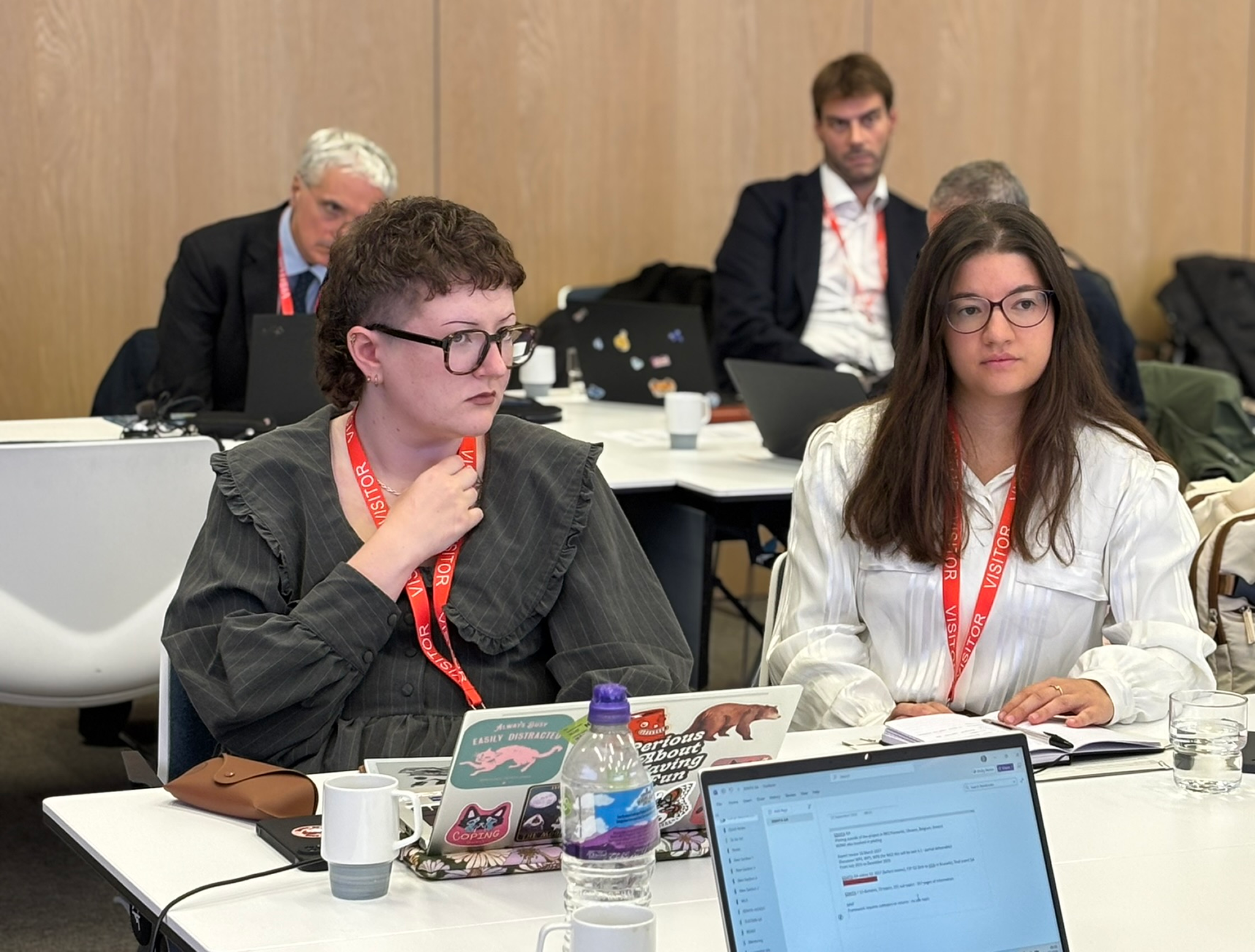
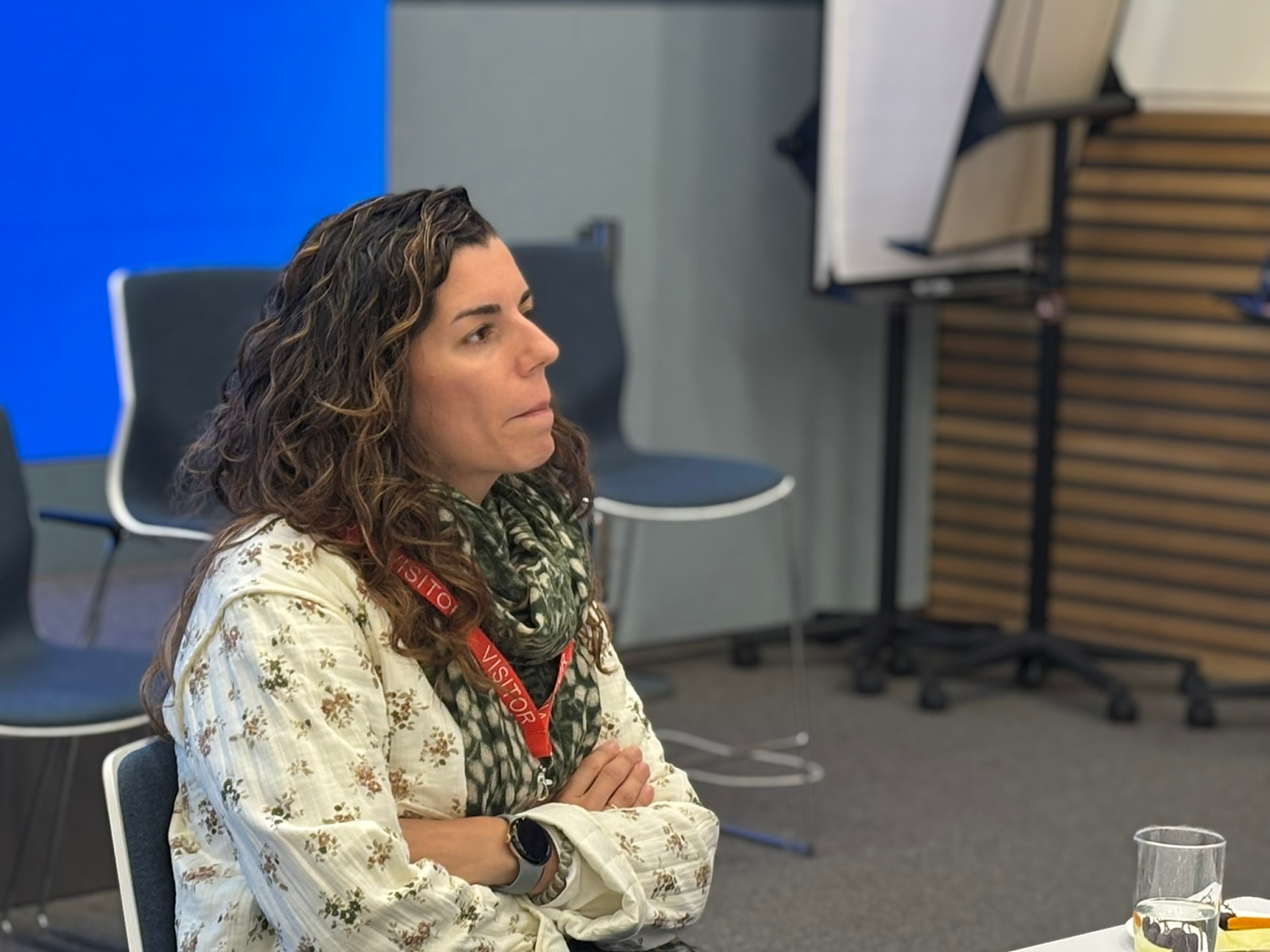
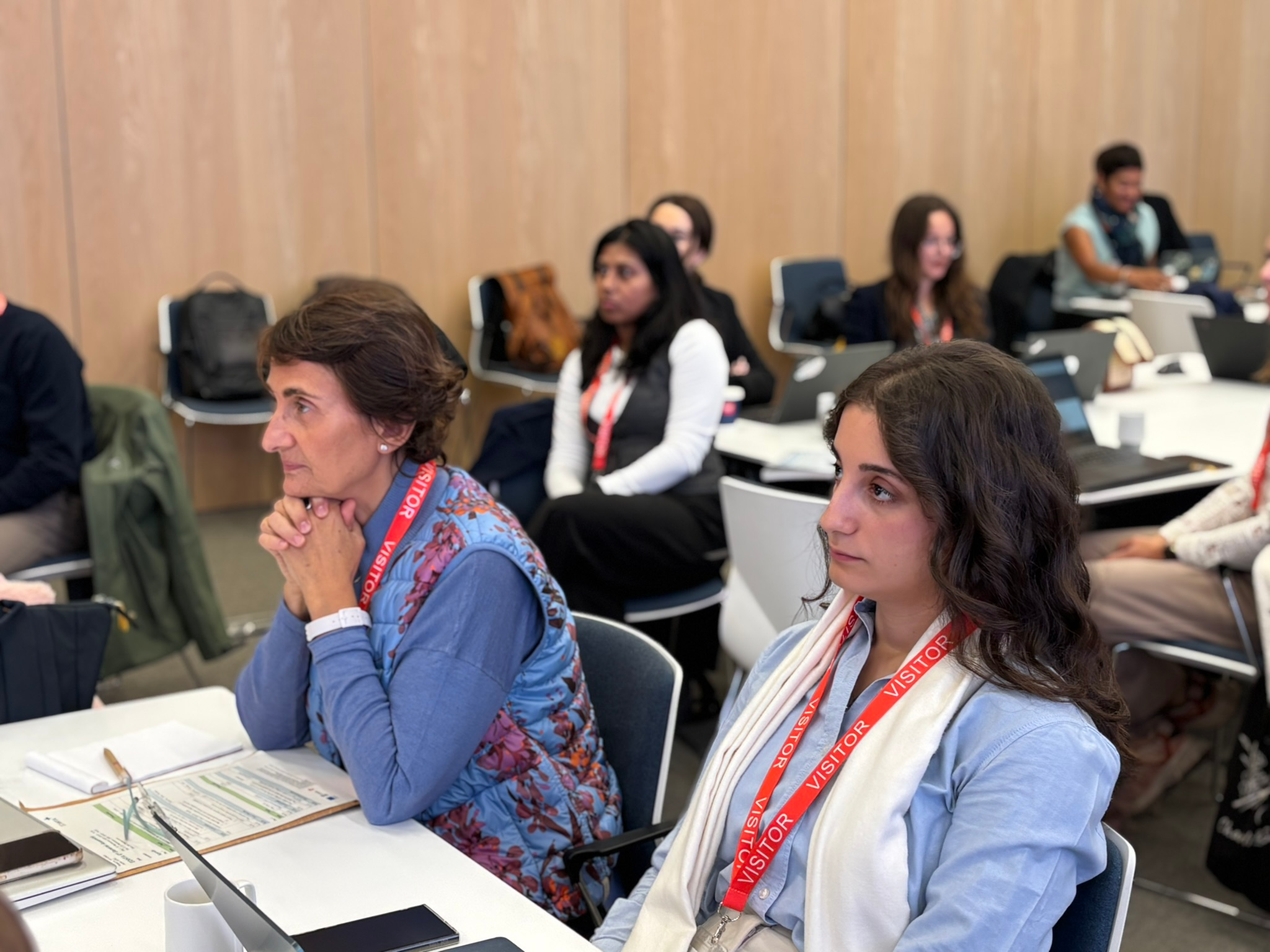
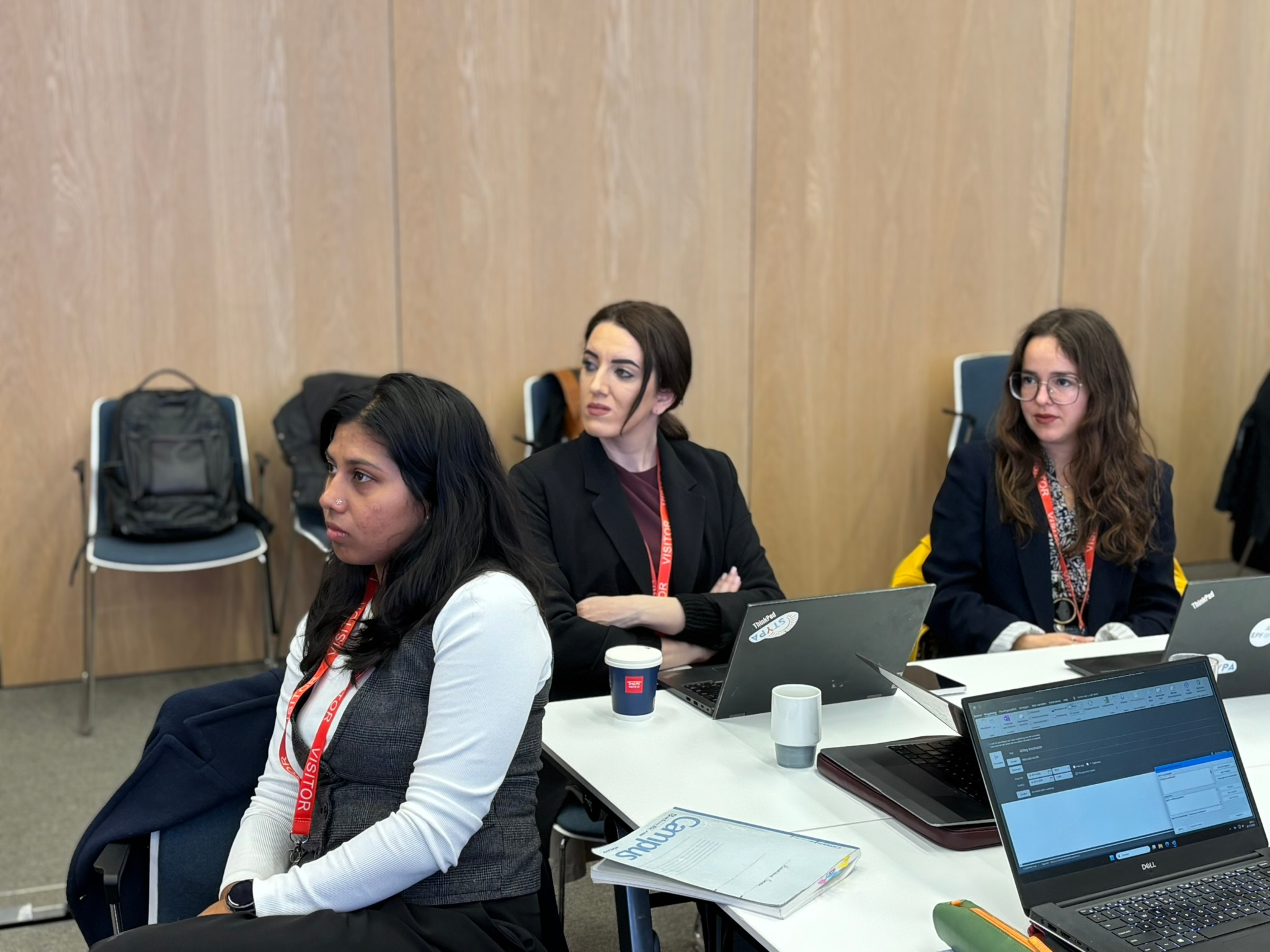
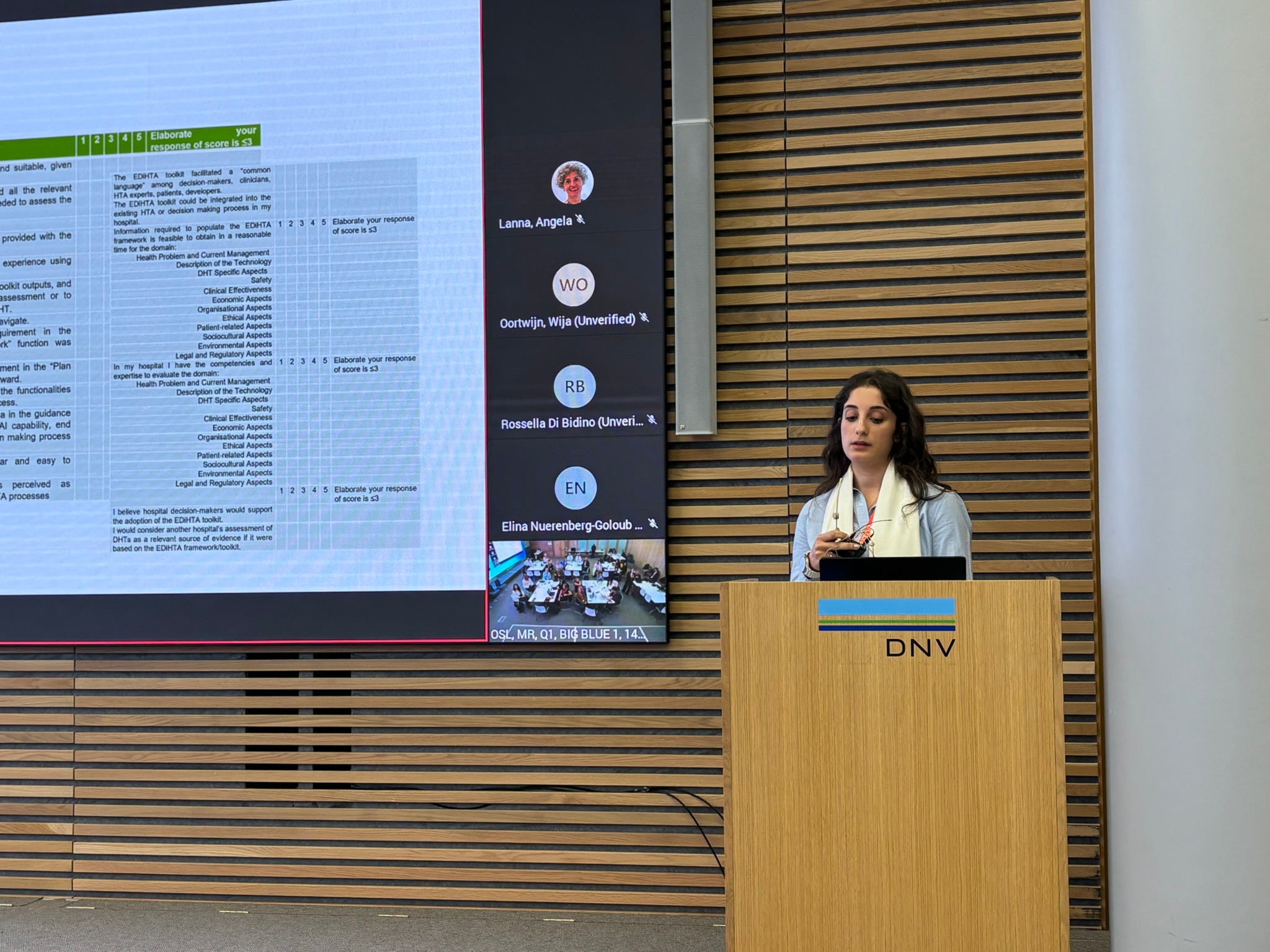
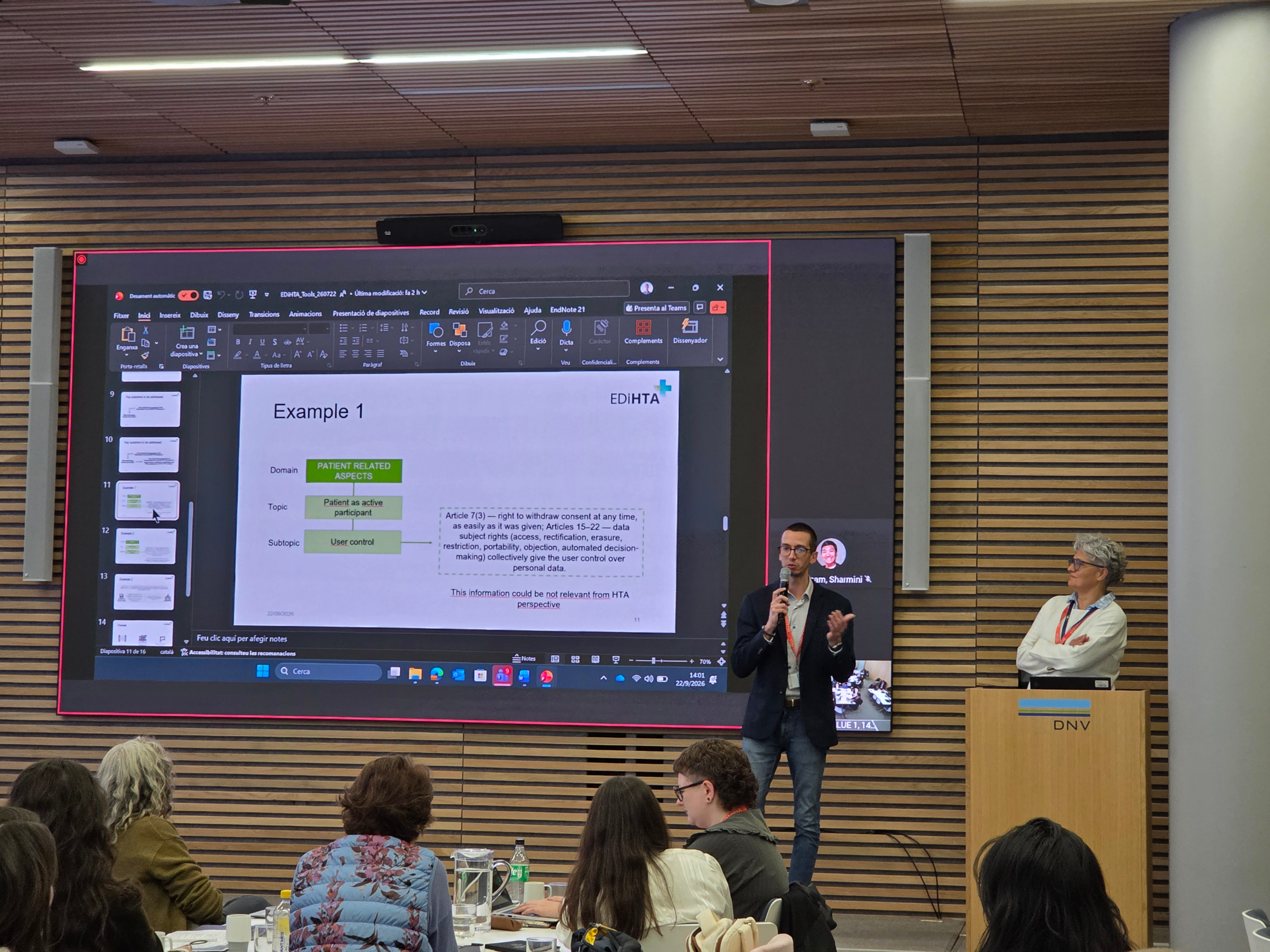
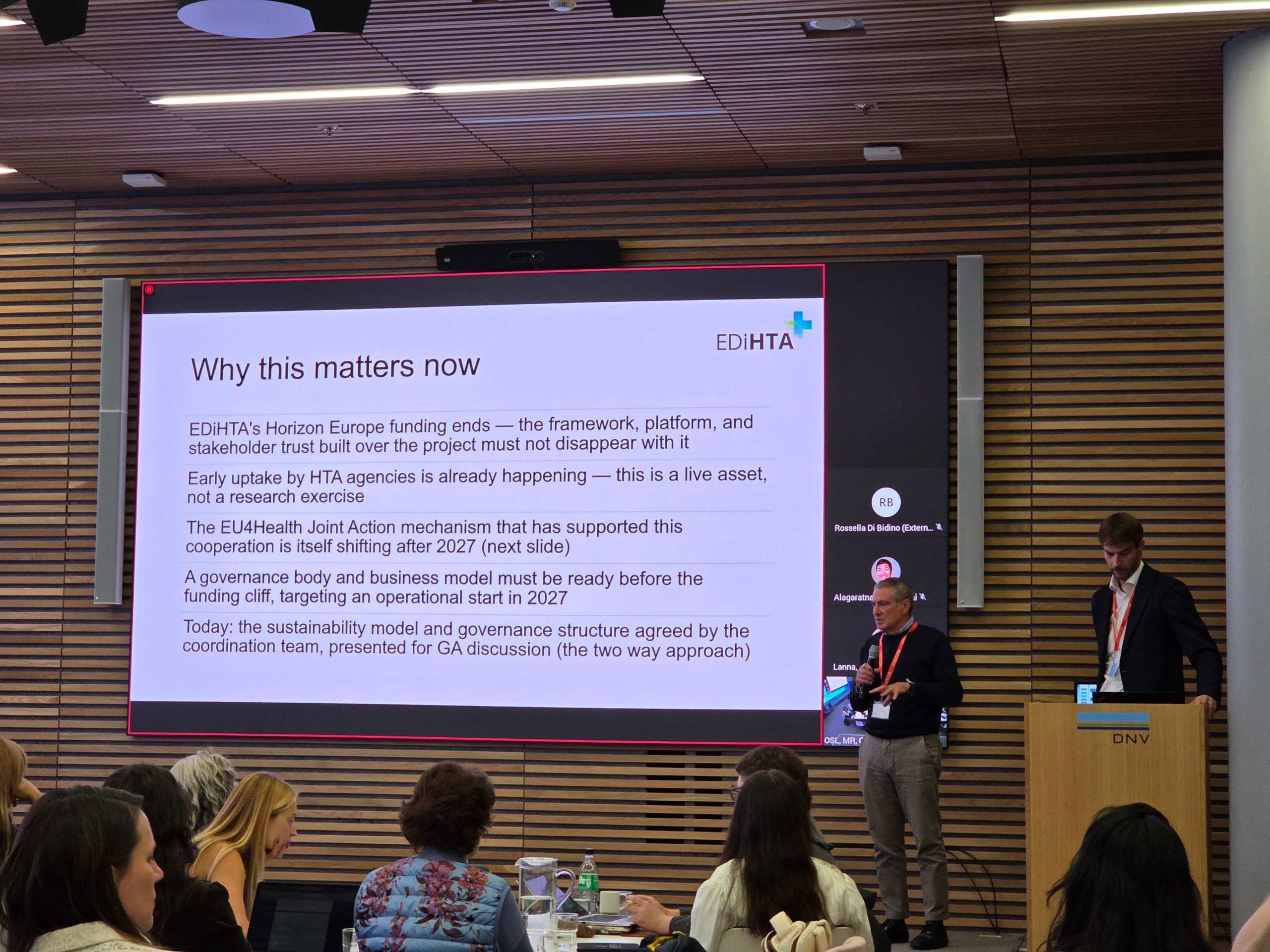
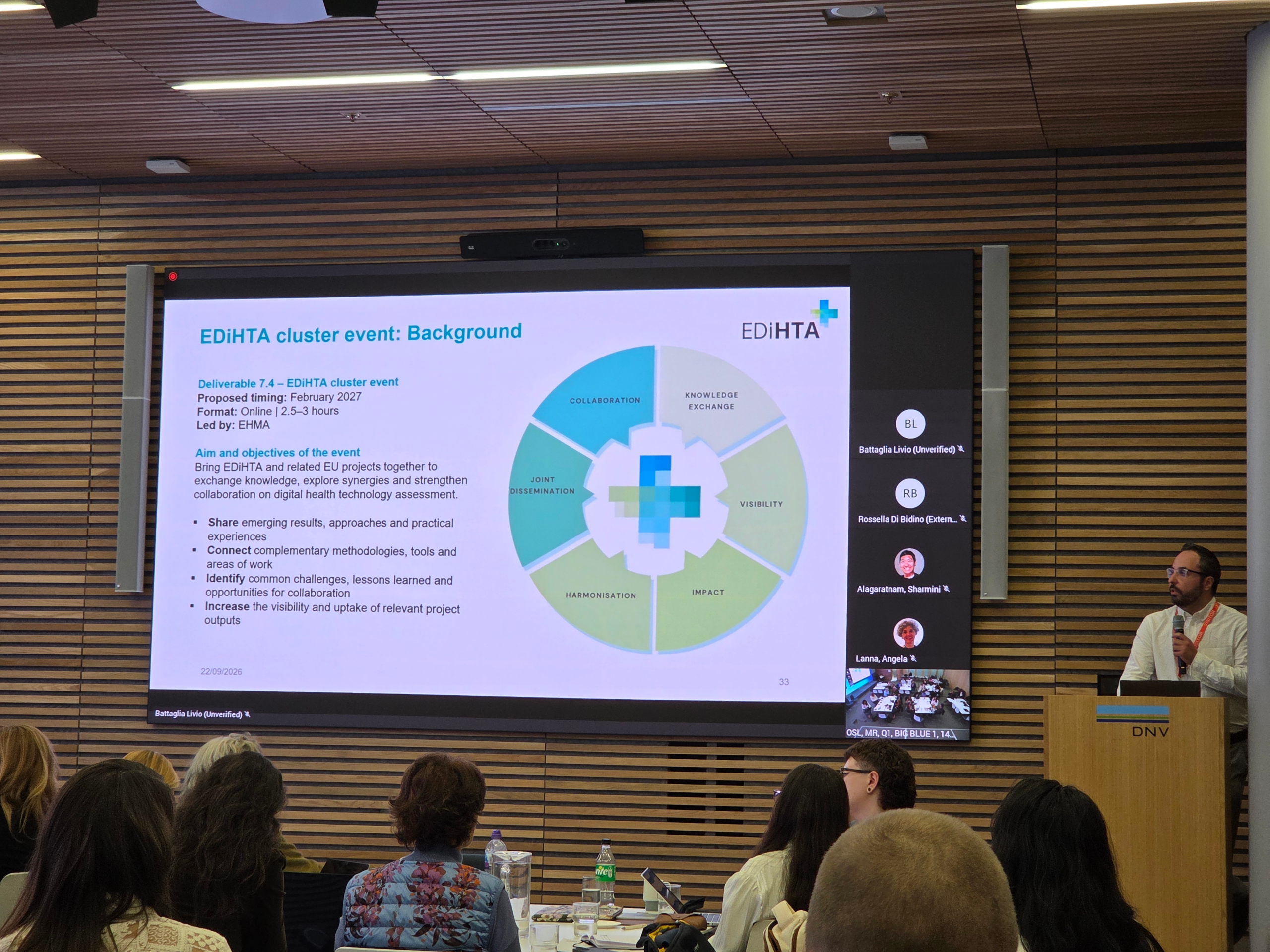
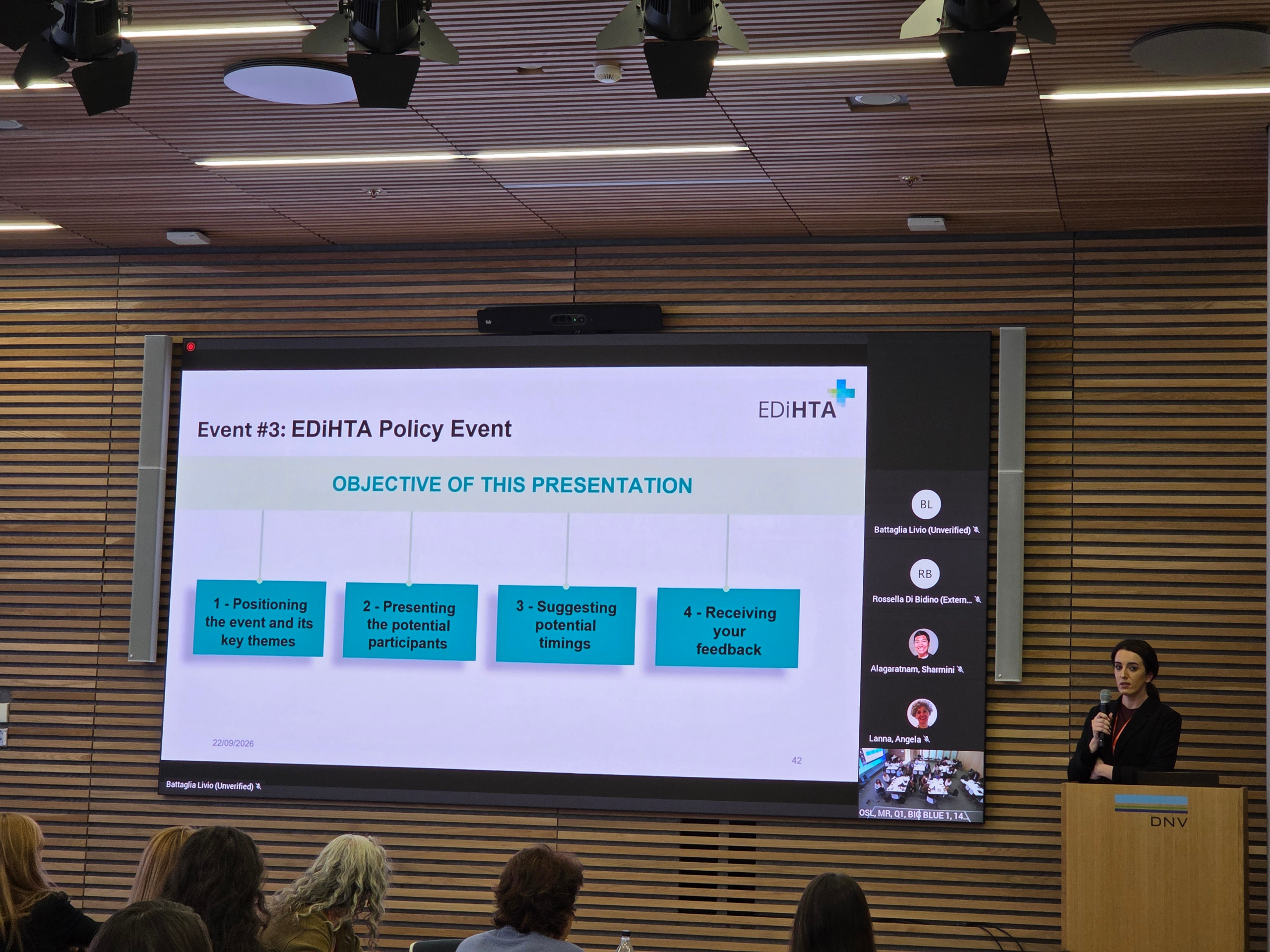



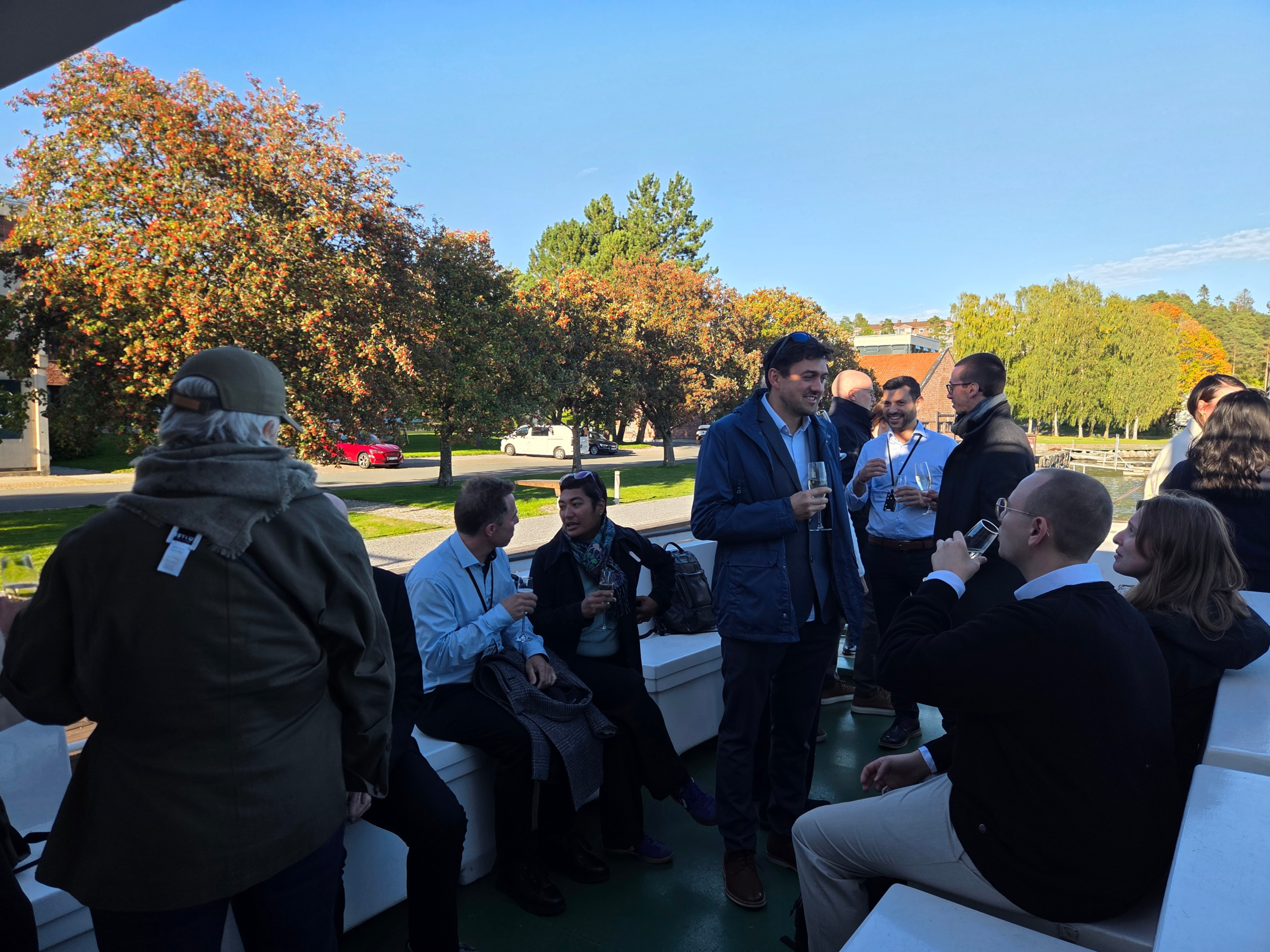





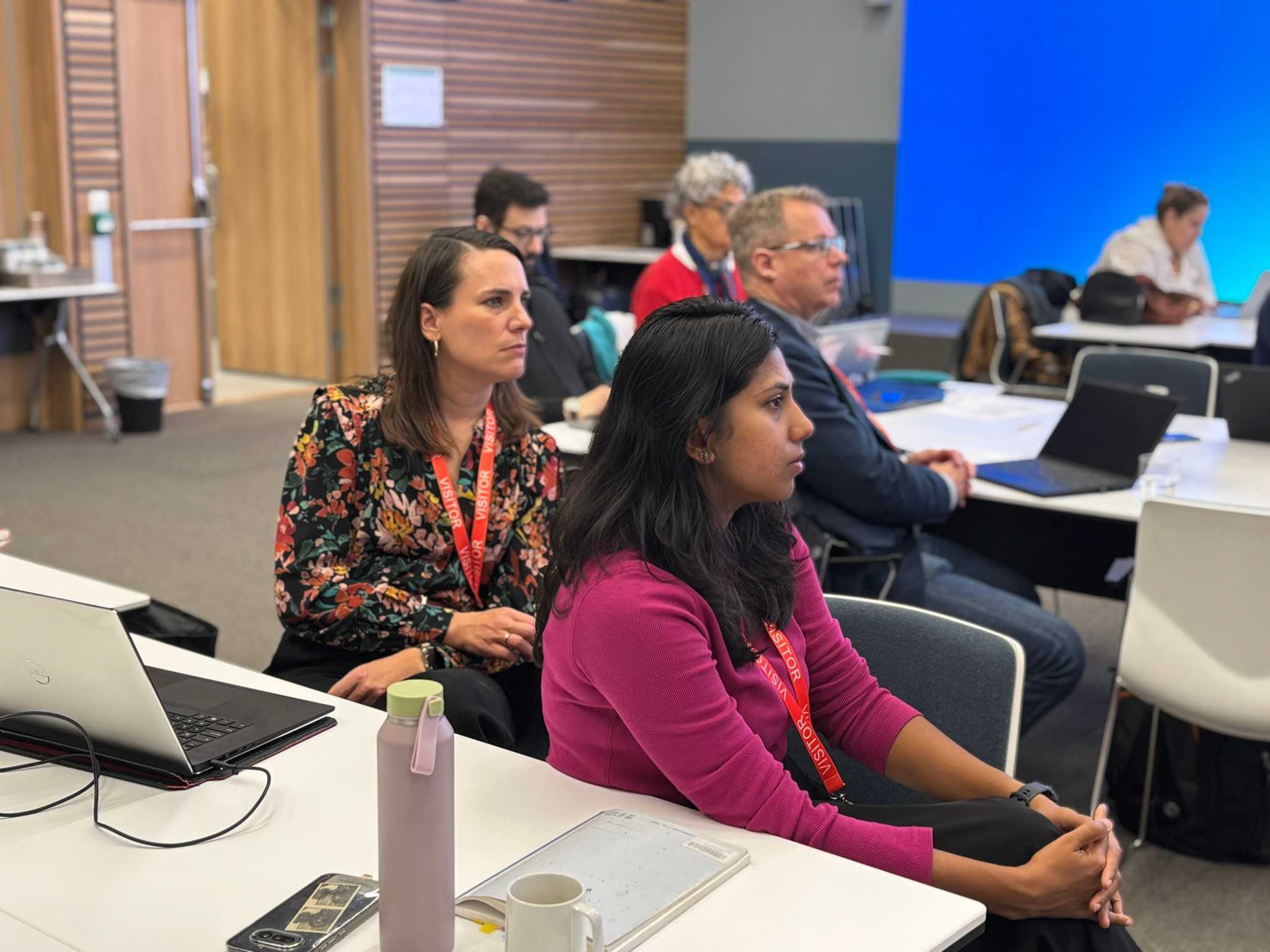
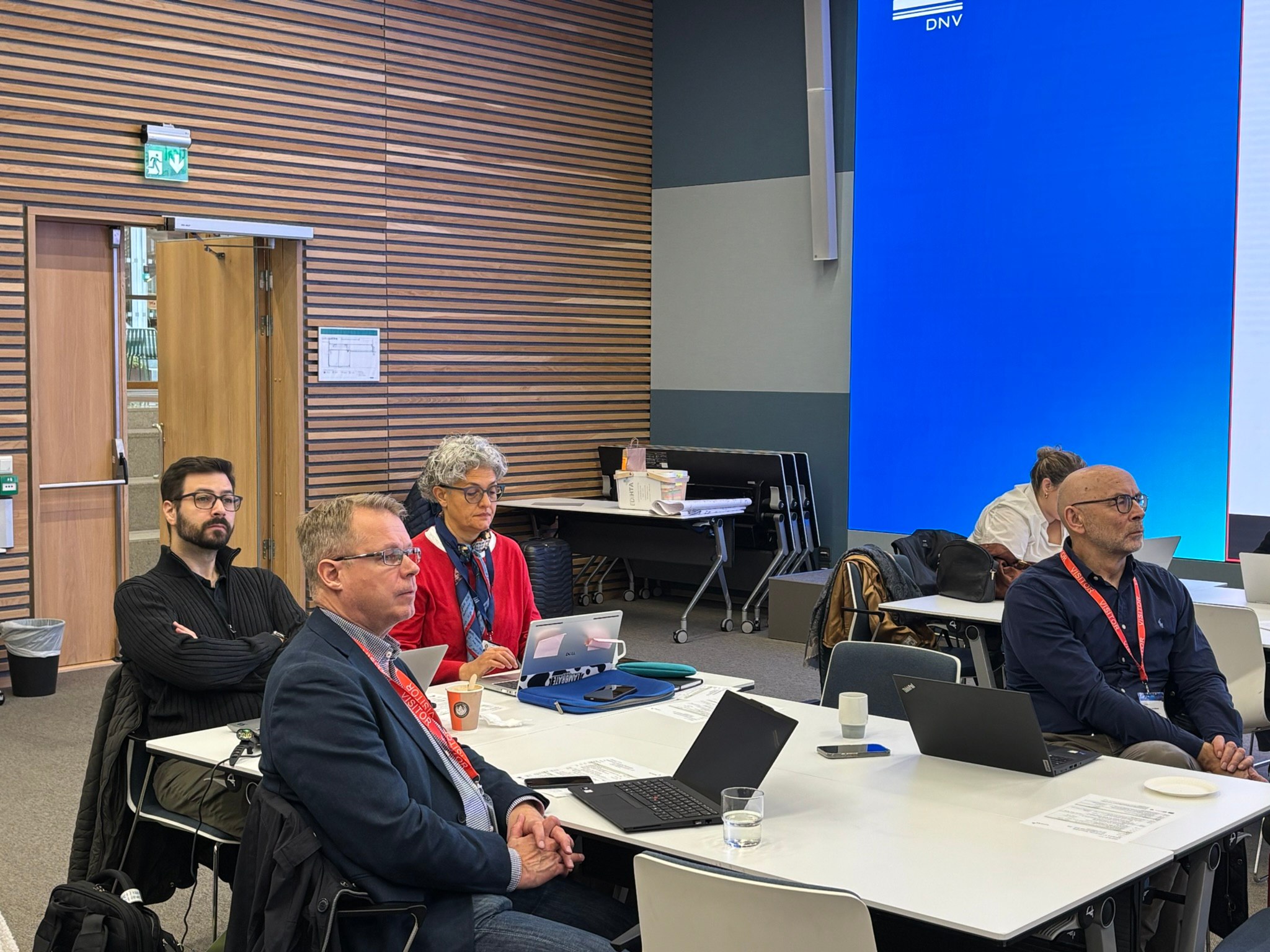
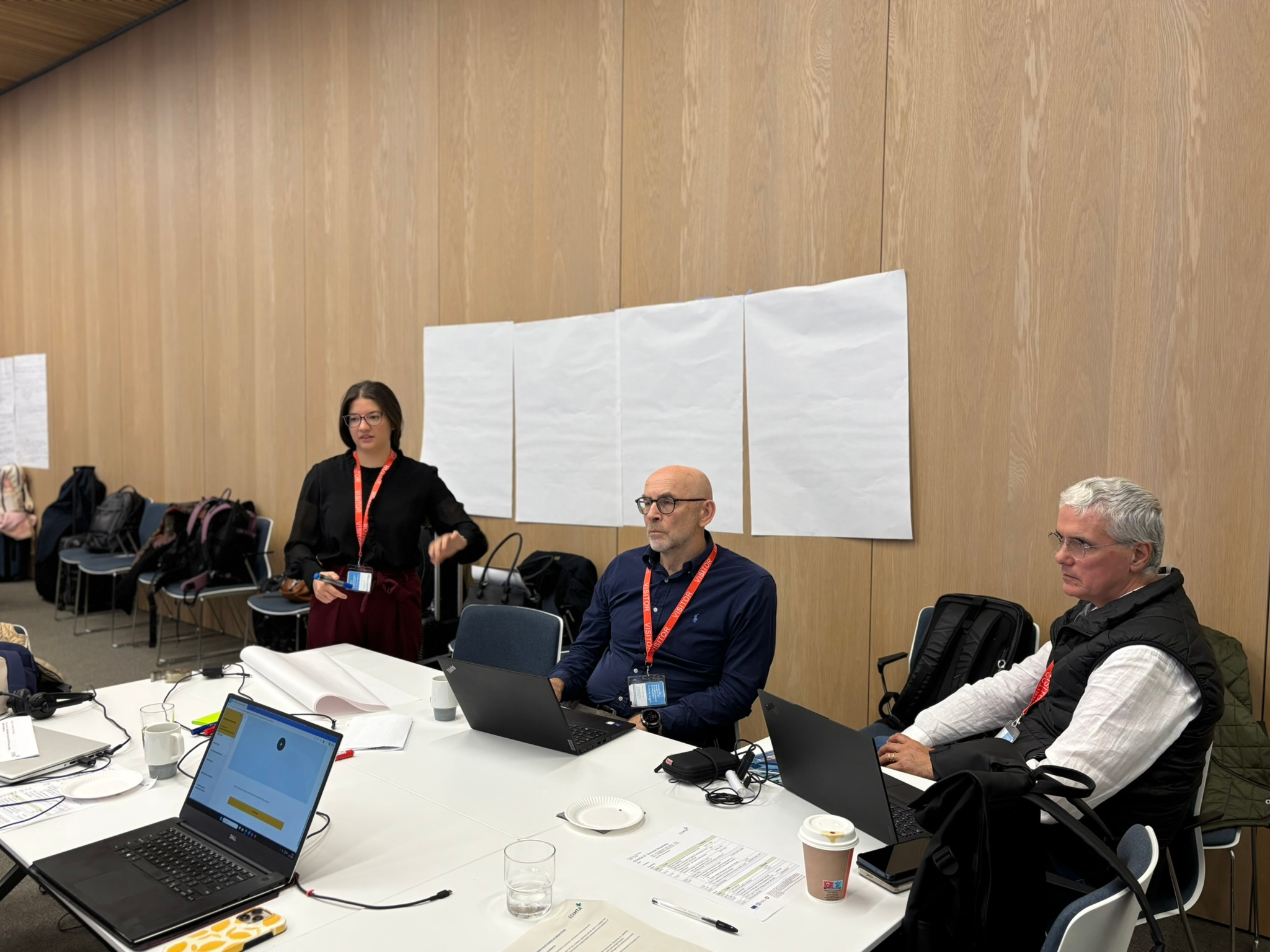

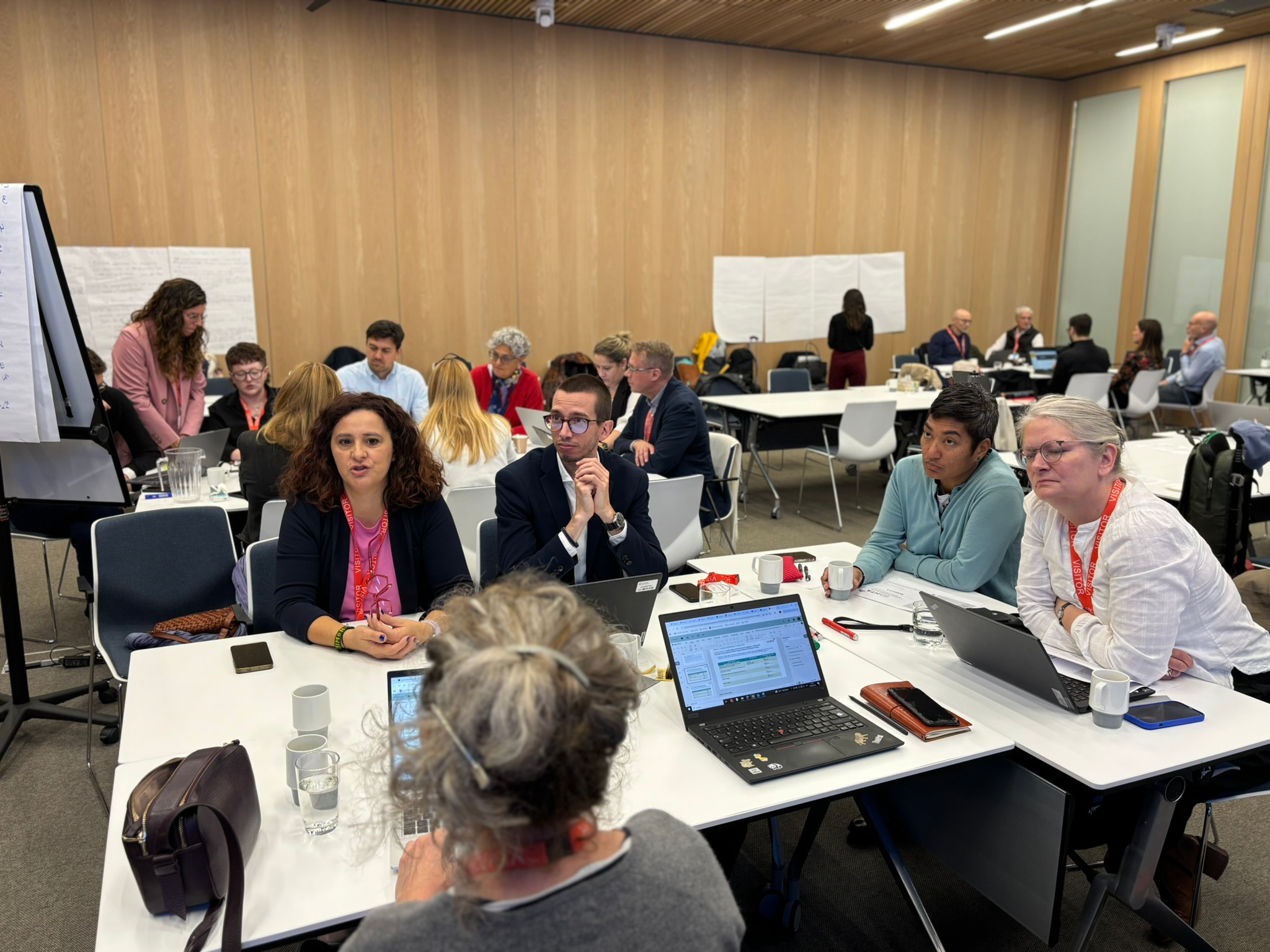
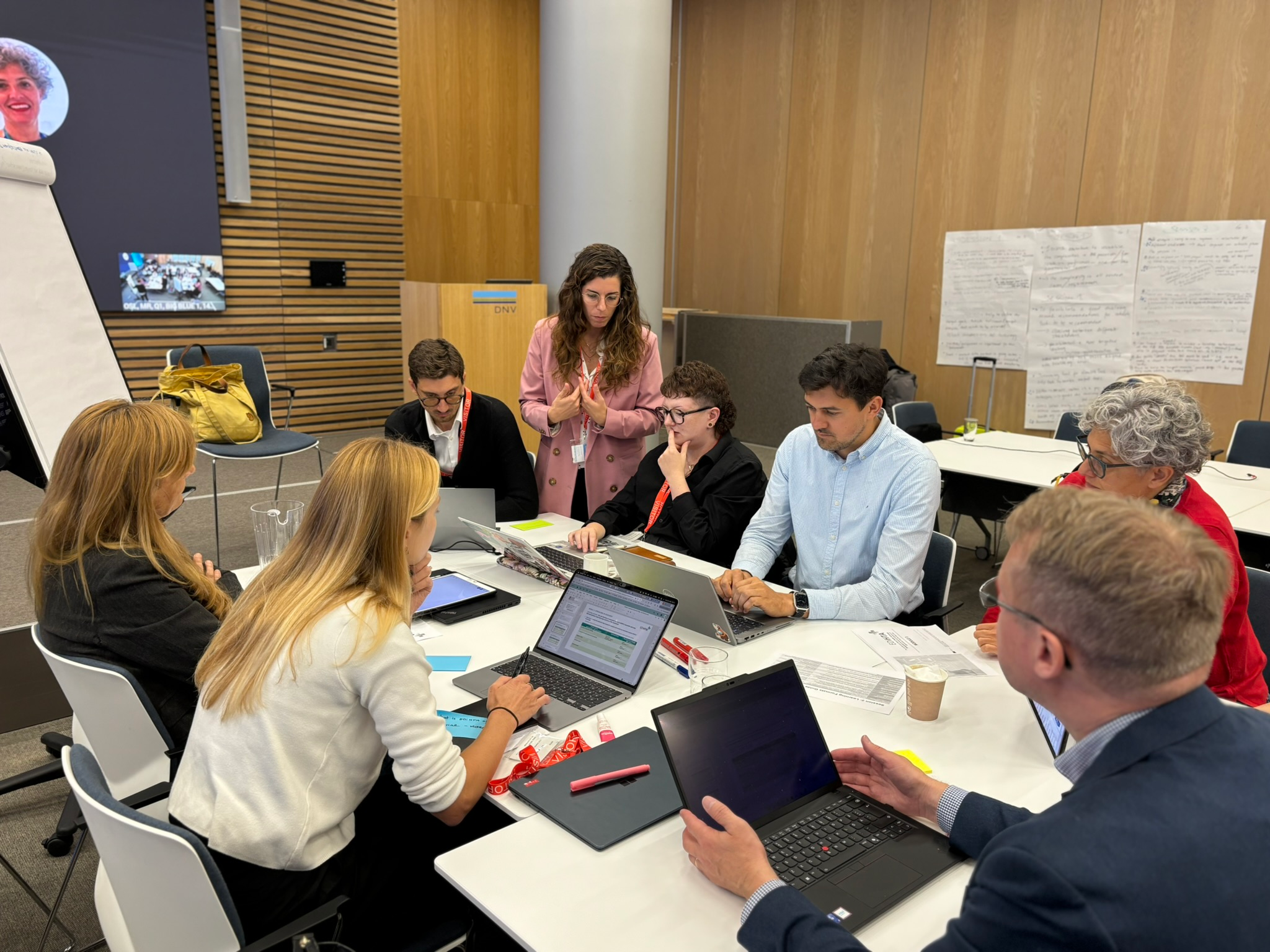
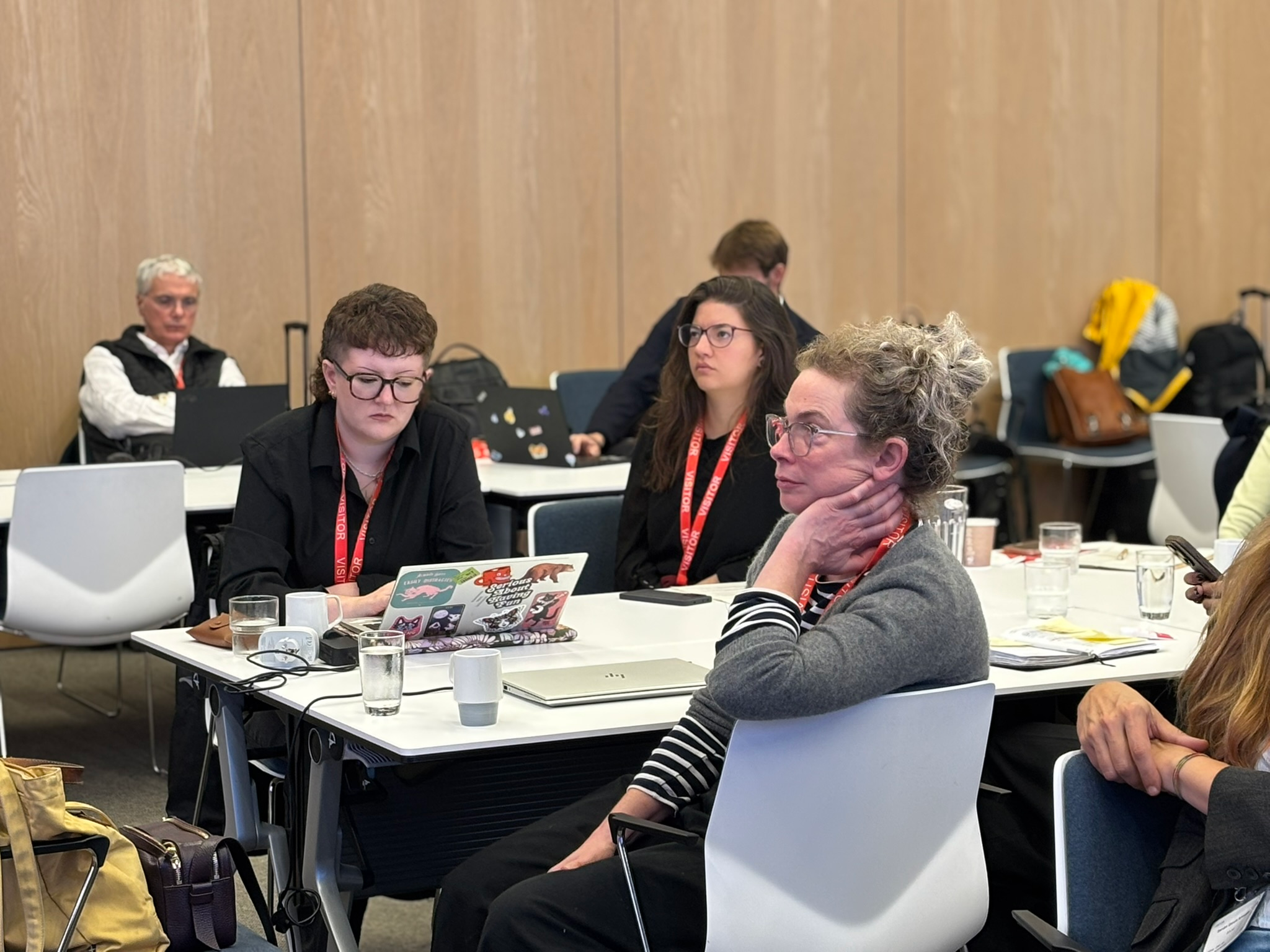
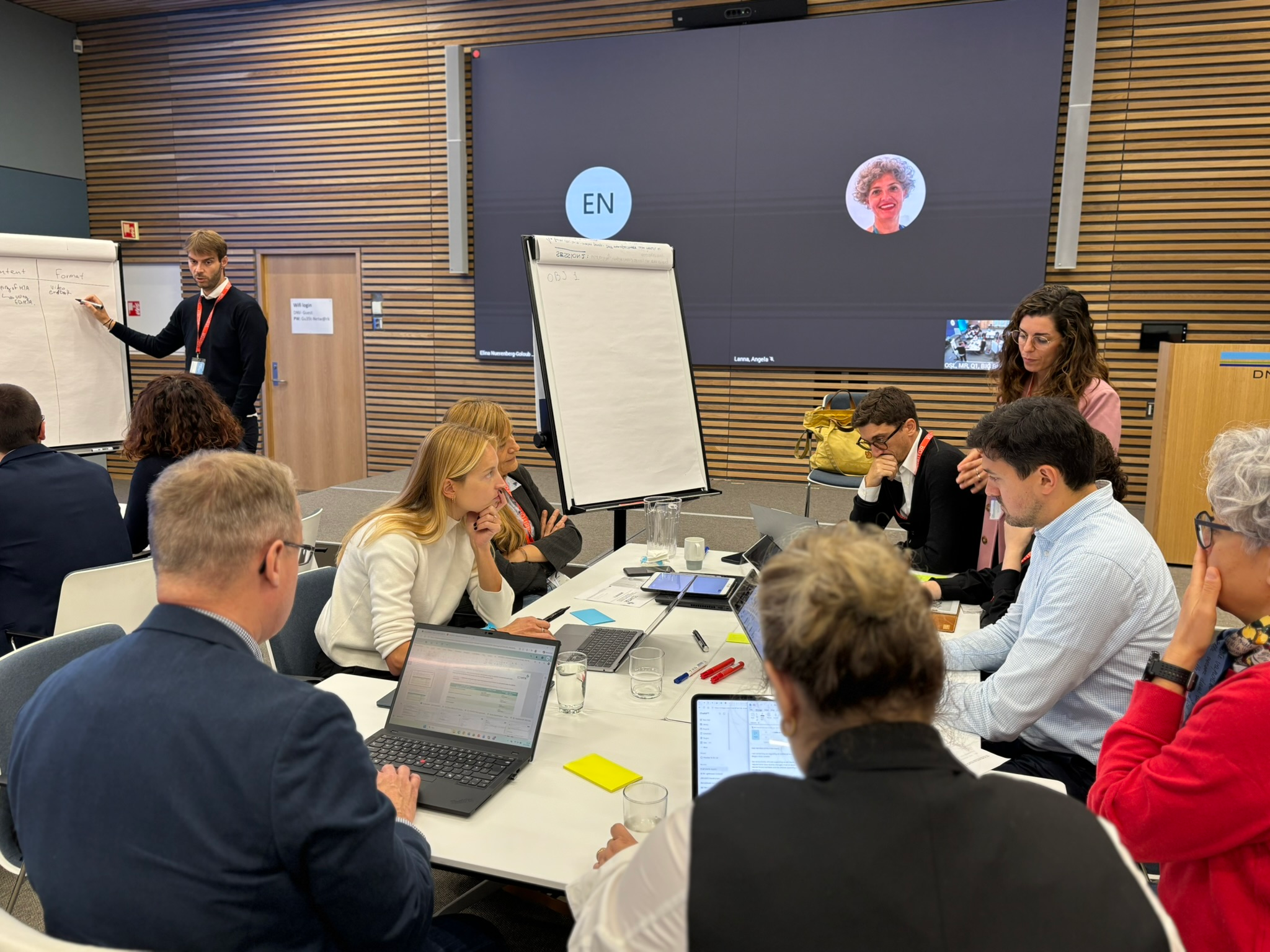
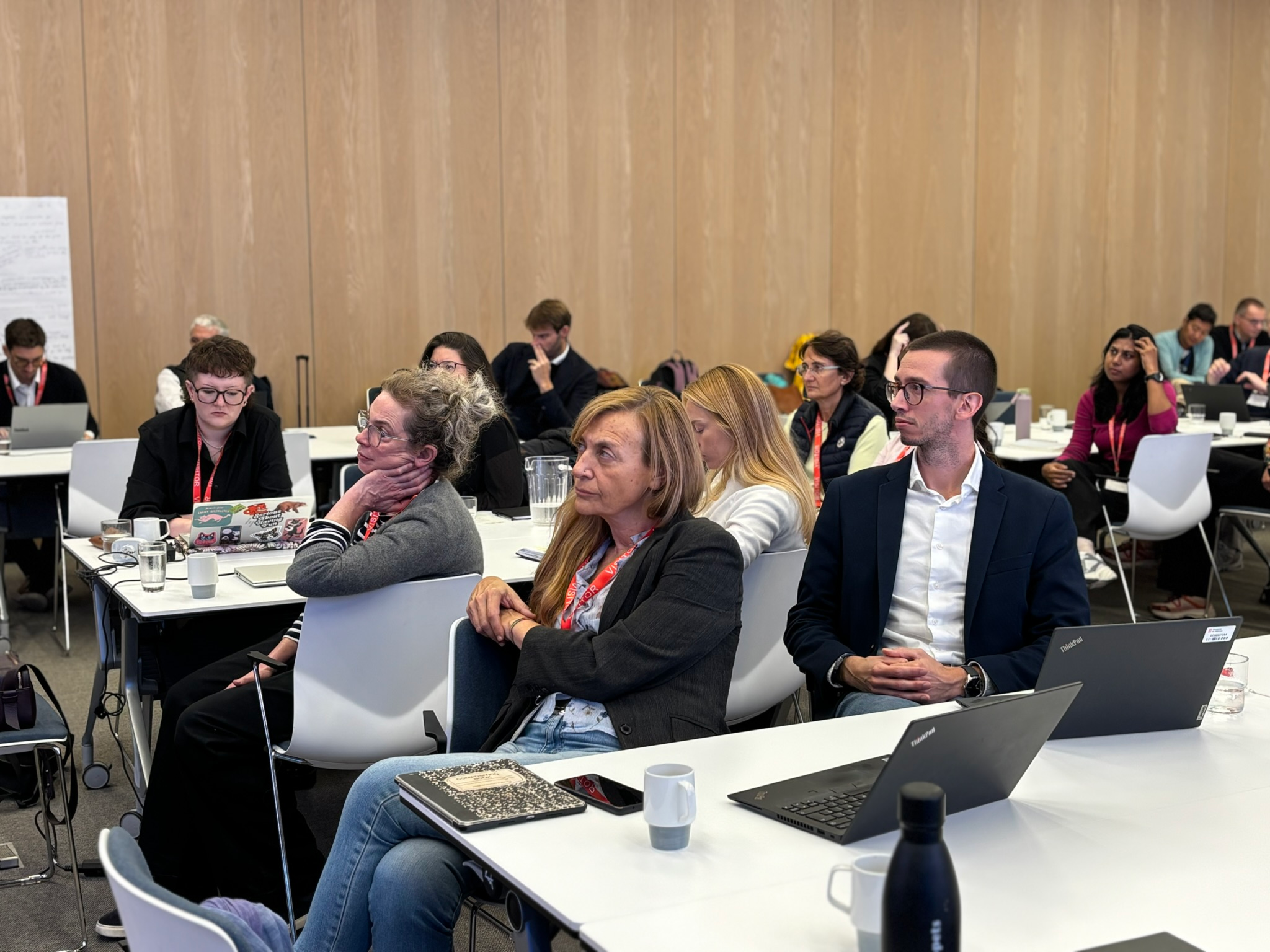
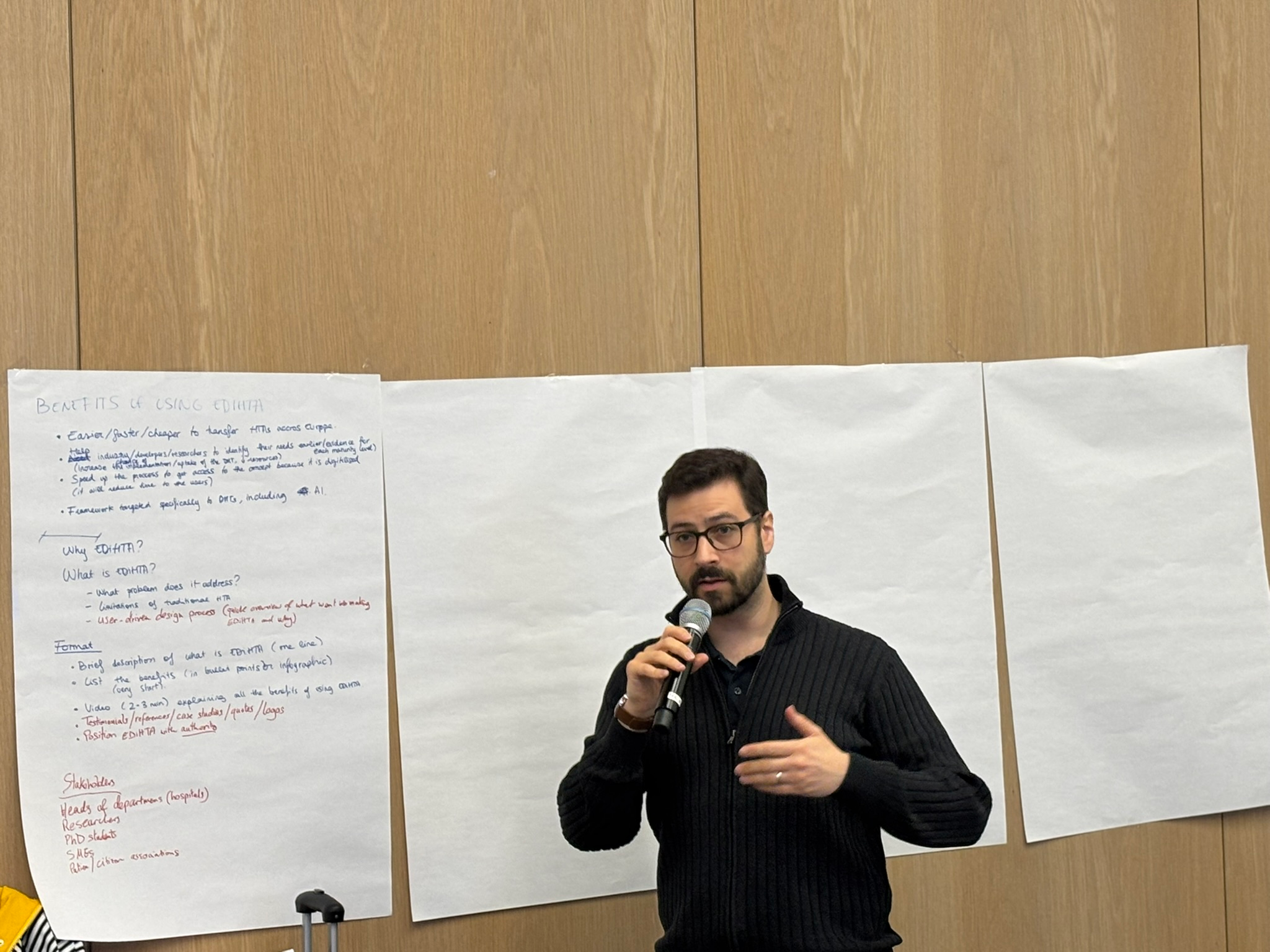
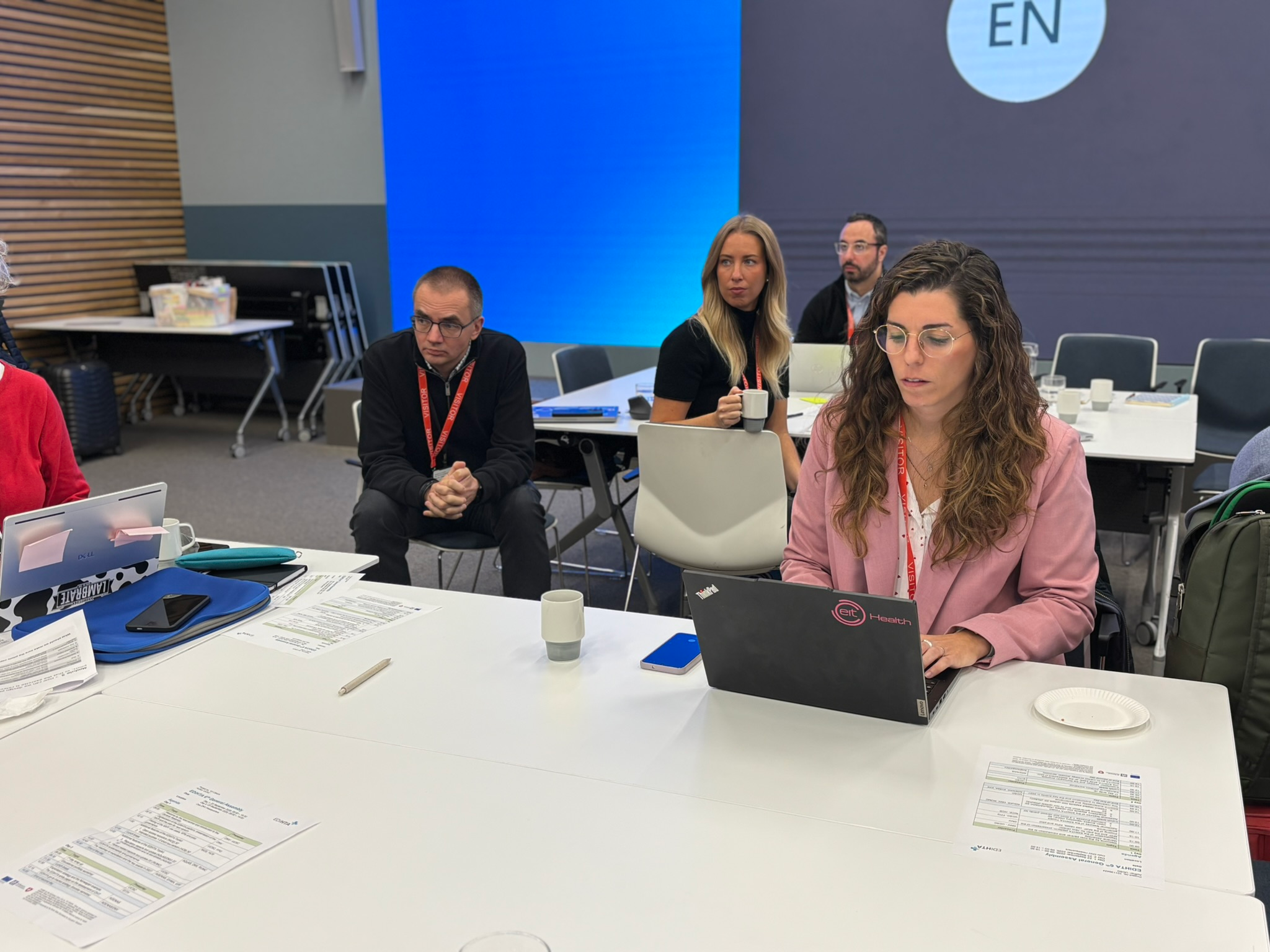

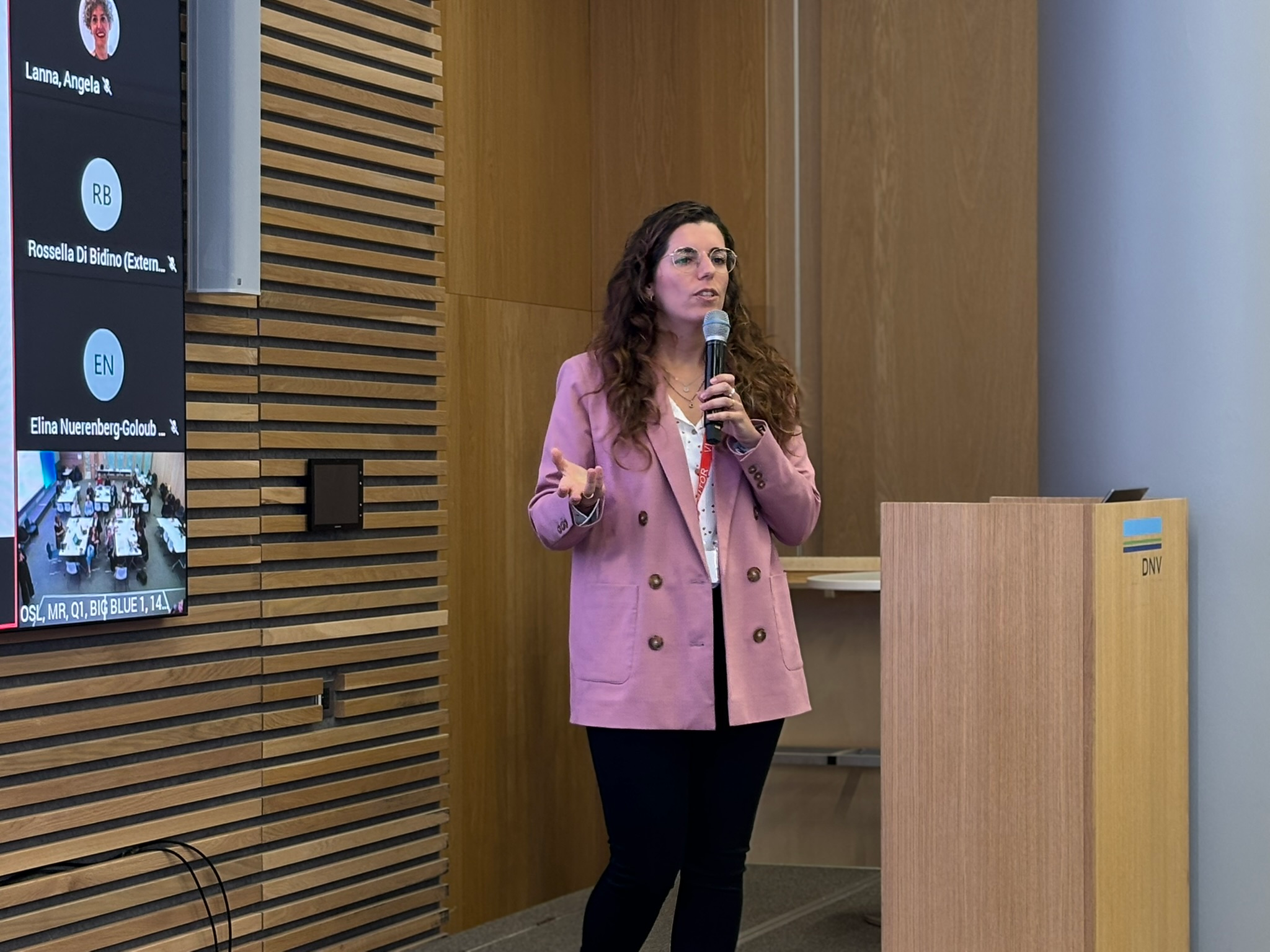
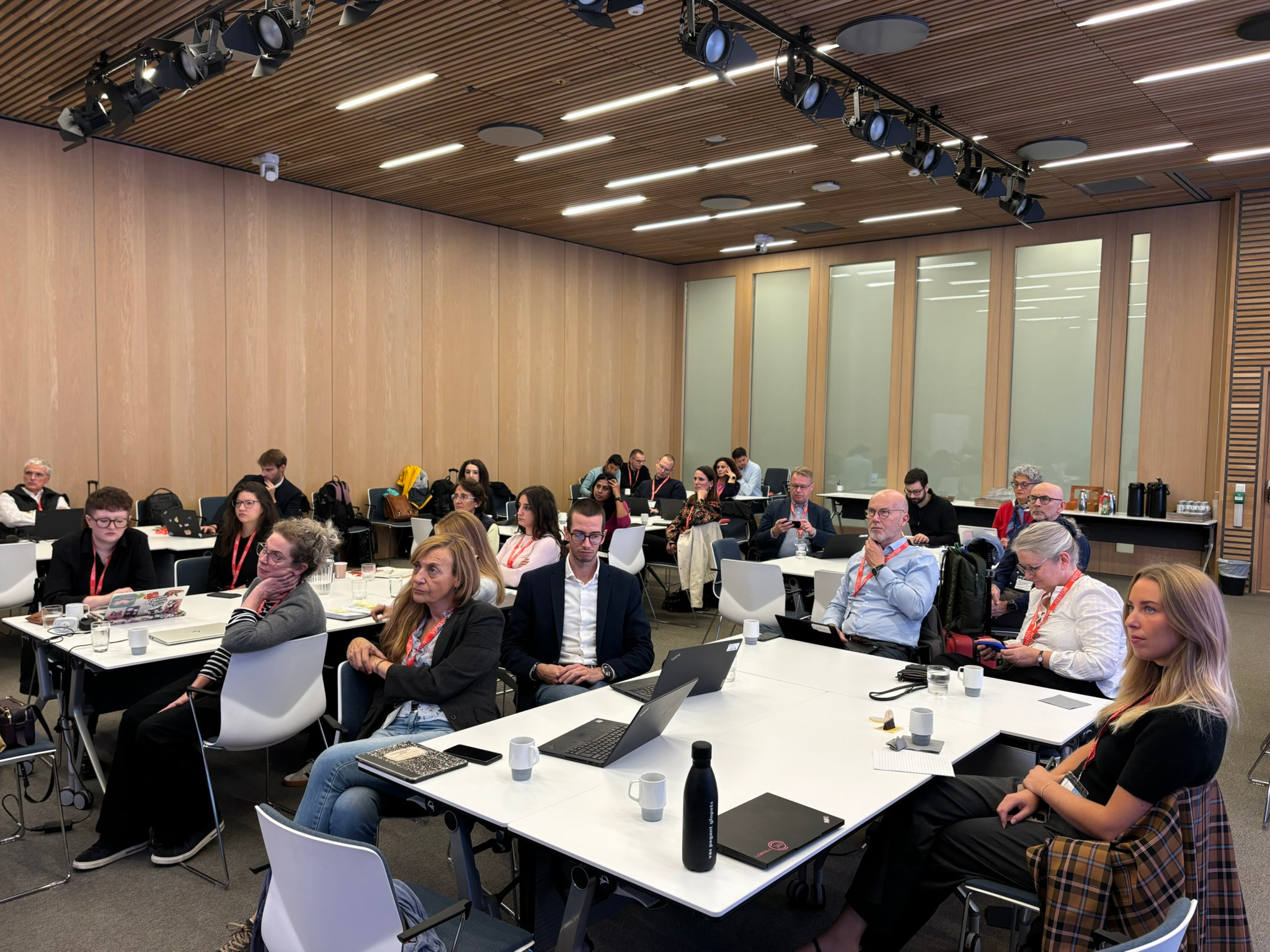
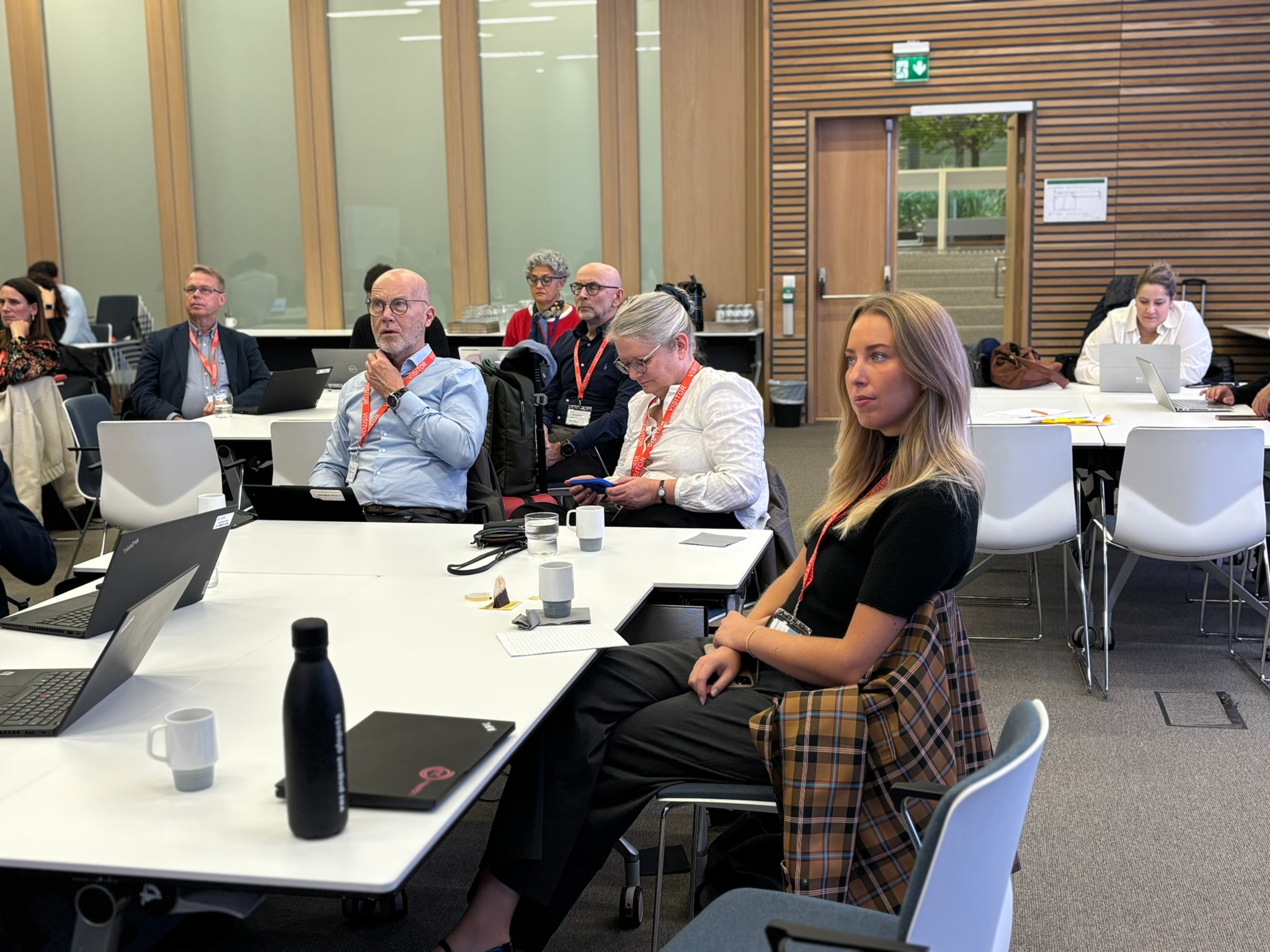
On 22–23 September 2026, EDiHTA partners gathered at the DNV headquarters in Høvik, Oslo, for the project’s 6th General Assembly. Hosted by DNV, the two-day meeting provided an opportunity to review progress across the project, coordinate ongoing activities and align priorities for the next phase of EDiHTA.
A major focus of the first day was the continued development and digitalisation of the EDiHTA platform. DNV presented the Minimum Viable Product (MVP) and plans for the next version, followed by discussions on the piloting approach, use cases, KPIs and pilot governance led by UCSC and FPG.
Partners also reviewed several additional features being developed for the EDiHTA Toolkit. These included the open-access repository, the short version of the intended-purpose tool, updates on regulatory aspects, evidence generation and AI, and patient-related aspects. The discussions helped connect these individual components with the broader development of the EDiHTA assessment framework and digital platform.
The programme then turned to the longer-term sustainability and governance of EDiHTA, as well as the project’s roadmap towards exploitation and key activities planned for 2027. These discussions brought together perspectives from UCSC, AGENAS, EHMA and EPF and focused on how EDiHTA results can move towards continued use and implementation beyond the project itself.
On the second day, the consortium took part in an educational portfolio workshop led by EITH, followed by further discussions on the exploitation strategy. The Norwegian example was used to explore possible implementation pathways, alongside work on the EDiHTA white paper on the assessment of digital health technologies. The meeting concluded with a session on the EDiHTA go-to-market strategy and the use of booster services to support future uptake.
The General Assembly provided an important opportunity to bring together the project’s technical, methodological, educational and exploitation activities and ensure alignment as EDiHTA moves into its next stage.
A big thank you to DNV for hosting the consortium in Oslo and to all partners for the productive discussions and contributions throughout the two days.
How can Health Technology Assessment keep pace with rapidly evolving digital health technologies?
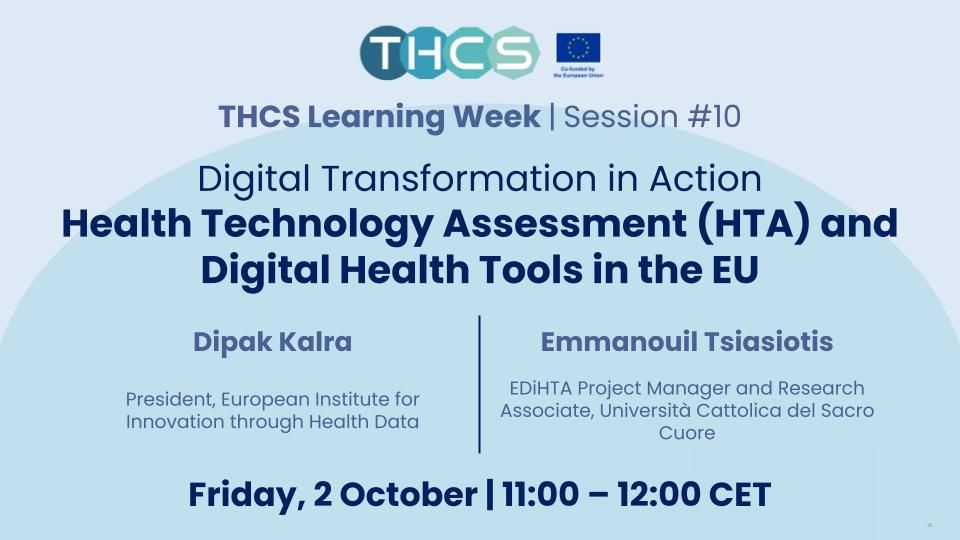
On 2 October 2026, from 11:00 to 12:00 CET, EDiHTA will take part in the THCS Learning Week 2026 session “Digital Transformation in Action: Health Technology Assessment (HTA) and Digital Health Tools in the EU”. The session will bring together the EDiHTA and ASSESS-DHT projects and the European Partnership on Transforming Health and Care Systems (THCS) to exchange approaches to the assessment of digital health technologies.
EDiHTA Project Coordinator Emmanouil Tsiasiotis will represent the project alongside Professor Dipak Kalra, President of the European Institute for Innovation through Health Data, representing ASSESS-DHT.
The workshop will explore the increasingly important role of HTA in supporting the evaluation and adoption of innovative digital health tools in Europe. Particular attention will be given to how assessment methodologies need to evolve alongside technological innovation and the changing European regulatory environment.
EDiHTA and ASSESS-DHT are developing complementary approaches to the assessment of digital health technologies. During the session, the two projects will compare the methodologies, tools and guidance they are developing and discuss how these could contribute to shared or complementary approaches to digital HTA at European level.
The discussion will also address practical questions that are becoming increasingly important for digital health assessment, including:
The session is intended not only as an opportunity to present ongoing work, but also as a starting point for further collaboration between EDiHTA, ASSESS-DHT, THCS and other European initiatives working towards robust and fit-for-purpose approaches to digital health assessment.
The THCS Learning Week, taking place from 28 September to 2 October 2026, will bring together policymakers, health system leaders, researchers, practitioners and innovators from across Europe. Through shared learning, practical examples and contributions from European Partnerships and related initiatives, the programme will explore how health and social care transformation can be achieved, implemented and evaluated.
Interested in joining the discussion?
Date: Friday, 2 October 2026
Time: 11:00–12:00 CET
Session: Digital Transformation in Action: Health Technology Assessment (HTA) and Digital Health Tools in the EU
Click the link and register for the online session and explore the full THCS Learning Week programme.



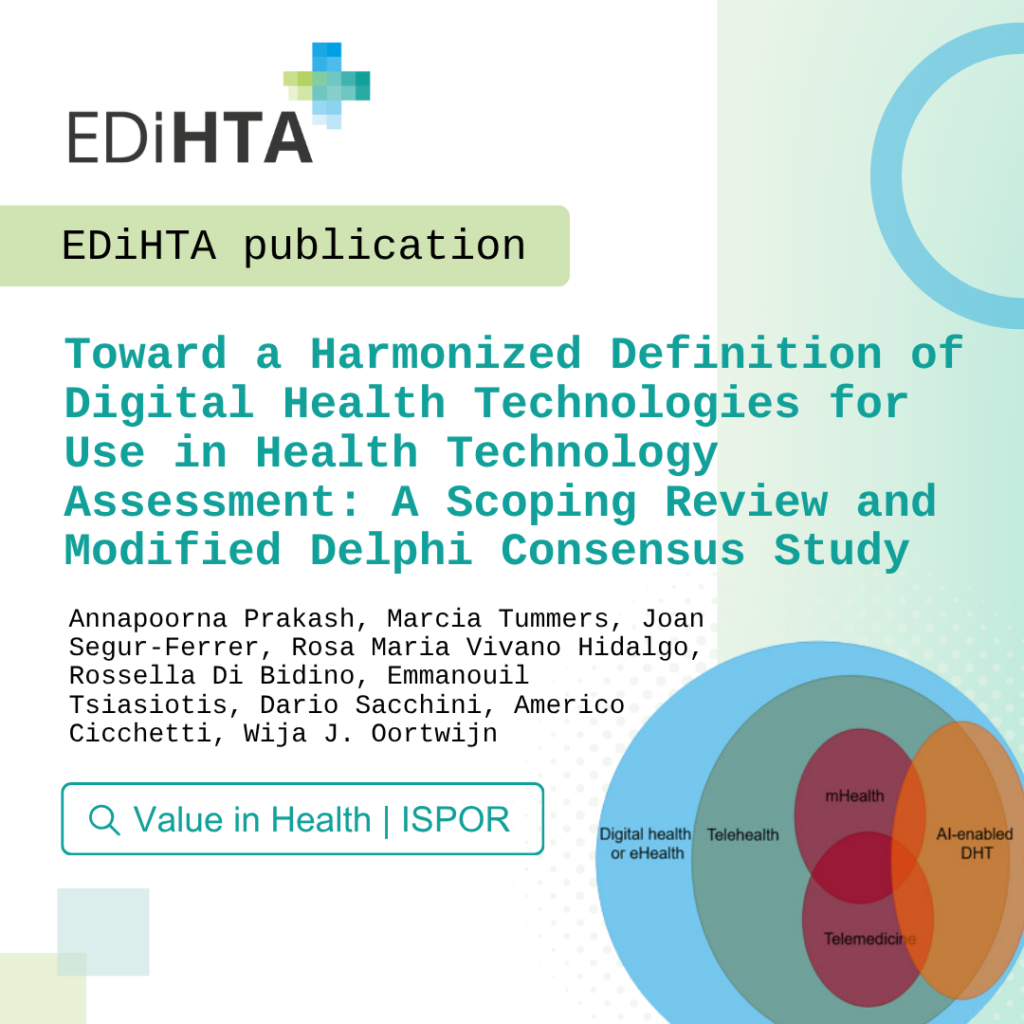
We are pleased to share a new peer-reviewed paper from the EDiHTA project, published in Value in Health: “Toward a Harmonized Definition of Digital Health Technologies for Use in Health Technology Assessment: A Scoping Review and Modified Delphi Consensus Study.”
Authored by Annapoorna Prakash, Marcia Tummers, Joan Segur-Ferrer, Rosa Maria Vivano Hidalgo, Rossella Di Bidino, Emmanouil Tsiasiotis, Dario Sacchini, Americo Cicchetti and Wija J. Oortwijn, the paper addresses the lack of consistent terminology surrounding digital health technologies and related concepts such as eHealth, mHealth, telehealth, telemedicine and artificial intelligence.
The study combined a scoping review with a two-round modified Delphi process to map existing definitions and develop a harmonised definition of digital health technologies for use in health technology assessment. The review identified 482 relevant articles and 328 definitions, while the Delphi process brought together expert perspectives to reach consensus on the key components of the definition.
Three core components emerged consistently across the reviewed definitions: purpose, users and underlying technology. The resulting definition also recognises the growing role of artificial intelligence within digital health and provides a clearer conceptual basis for distinguishing between related digital health terms.
The findings provide an important foundation for EDiHTA’s work to develop a harmonised European HTA framework for digital health technologies, supporting greater consistency in evidence generation and assessment and helping to reduce uncertainty for decision-makers across Europe.
Read the paper: Value in Health | DOI: 10.1016/j.jval.2026.03.009

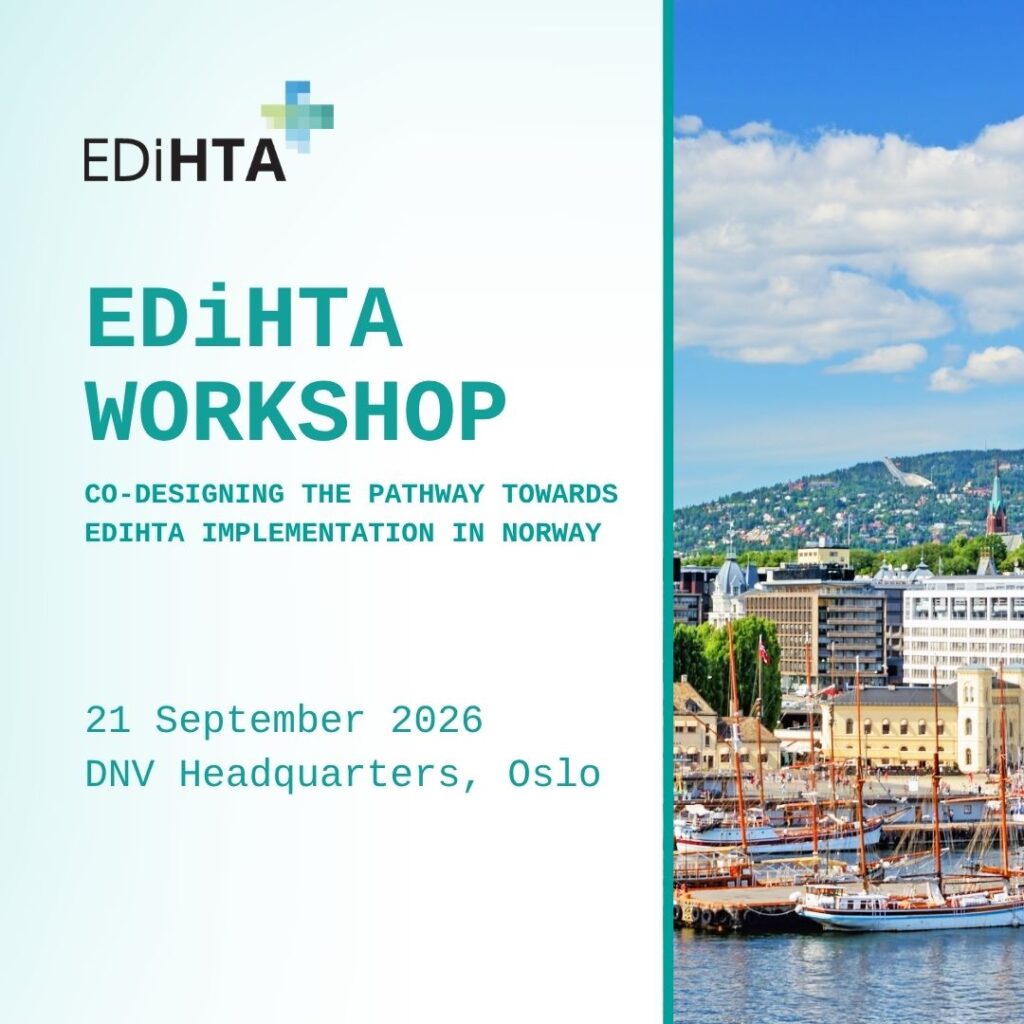
On 22–23 September 2026, EDiHTA partners will meet at the DNV headquarters in Høvik, Oslo, for the project’s 6th General Assembly, hosted by DNV and the Norwegian Centre for E-health Research.
Over the two-day meeting, the consortium will review progress and coordinate the next phase of work. The agenda includes the continued digitalisation and piloting of the EDiHTA platform and toolkit, educational activities, sustainability and governance, as well as exploitation and the roadmap towards future implementation. Partners will also discuss additional toolkit features, including the open-access repository, regulatory and evidence-generation tools, patient-related aspects and the project’s go-to-market strategy.
The General Assembly will provide an important opportunity to align across the consortium, connect the different strands of work and prepare for the next stage of EDiHTA’s development.

On 21 August 2026, Joan Segur-Ferrer, HTA Methodologist at the Agència de Qualitat i Avaluació Sanitàries de Catalunya (AQuAS), will represent EDiHTA at the IX ISPOR Colombia Congress.
During his presentation, Joan will explore the assessment of digital health technologies, highlighting both the opportunities these technologies can offer health systems and the need for assessment approaches that take account of their specific characteristics.
He will also introduce EDiHTA and its work to develop a common European framework for the assessment of digital health technologies. The framework aims to support more consistent, evidence-based and informed decision-making across Europe.
The presentation will be followed by a roundtable discussion bringing together decision-makers, health technology assessment professionals and developers from the Colombian healthcare system. The session will provide an opportunity to exchange perspectives on current challenges and approaches in digital health technology assessment across different healthcare settings.
EDiHTA looks forward to contributing to this international discussion and sharing its work with the wider HTA and digital health community.
Event details
We are pleased to share our new peer-reviewed paper, published in Value in Health: “Domains in Health Technology Assessment of Digital Health Technologies: A Mapping Review.”
Authored by Jeremy Dietz, Zoe Garrett, Lynda Ayiku, Livio Battaglia, Iga Lipska, Wija Oortwijn, Dario Sacchini, Joan Segur Ferrer, Emmanouil Tsiasiotis and Dalia Dawoud, the paper maps the health technology assessment domains used in assessing digital health technologies. In doing so, it lays the evidence base for determining which domains should be considered in the EDiHTA framework.
Across 44 documents, including published studies, HTA agency methods guidance and a sample of European digital health technology HTA reports, the review identifies 13 assessment domains. While areas such as clinical effectiveness, safety and economic aspects appear consistently, environmental, technical, legal, regulatory, and some ethical and human aspects remain inconsistently included.
The findings highlight where alignment already exists across digital health technology HTA and where further work is needed to reduce divergence in evidence expectations.
Read the paper: Value in Health | DOI: https://doi.org/10.1016/j.jval.2026.06.017
Background
Health Technology Assessment (HTA) plays an important role in evaluating digital health technologies (DHTs) to inform decision-making. Commonly used HTA frameworks have been criticised as inadequate for assessing DHTs leading to the development of many DHT-specific HTA frameworks. The proliferation of frameworks creates a lack of clarity around evidence expectations for DHT HTA and perceptions of divergence in approach to HTA.
Objectives
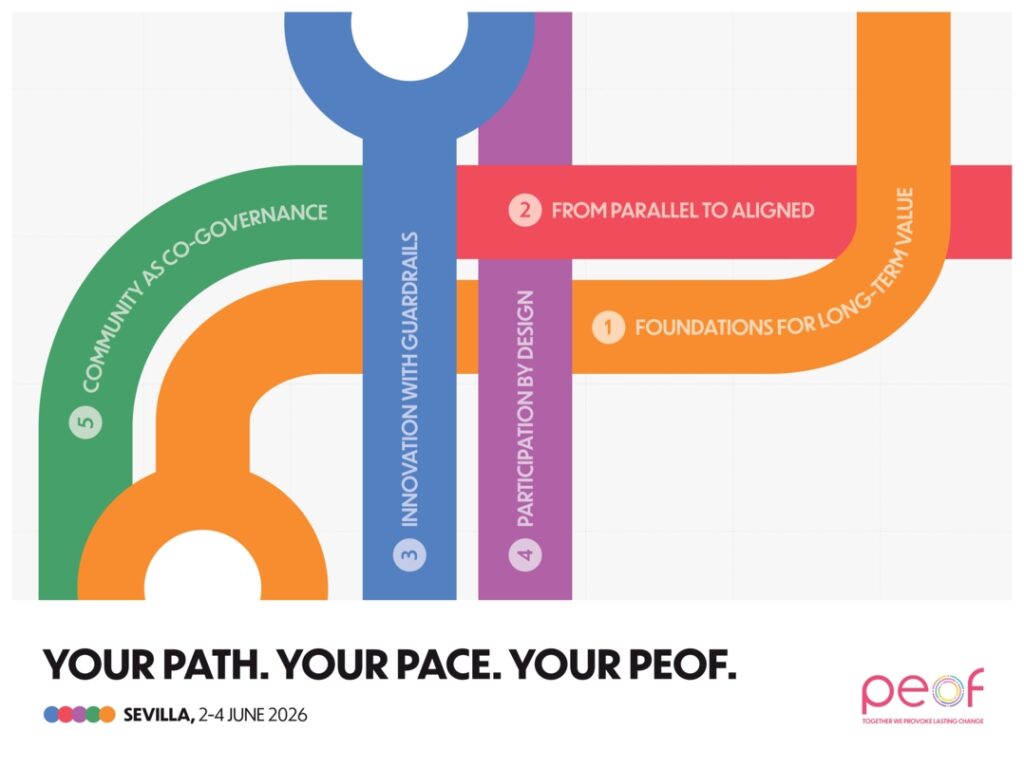
On 4 June 2026, the EDiHTA project organised an interactive session at the Patient Engagement Open Forum (PEOF) 2026 in Seville, bringing together 22 participants from patient organisations, research, clinical practice, industry, health technology assessment (HTA) and regulatory bodies to explore how patients can play a meaningful role in the assessment of digital health technologies (DHTs).
The session, “Mapping the HTA journey for Digital Health Technologies: Co-creating patient involvement within the EDiHTA project”, combined expert presentations with a hands-on co-creation workshop. Organised by partners from the European Patients’ Forum (EPF) together with colleagues from Radboud University Medical Center, Hospital Clínic Barcelona / FRCB-IDIBAPS and Università Cattolica del Sacro Cuore, the session focused on ensuring that patient perspectives are embedded throughout the HTA process rather than being limited to individual consultation activities.
Participants discussed how the EDiHTA framework can better reflect the needs and experiences of patients by strengthening the use of patient-generated evidence, improving accessibility and usability, and supporting meaningful patient involvement throughout the assessment journey.
Want to learn more? Read the full session summary and explore the key recommendations from the co-creation workshop on the Patient Engagement Synapse platform (click the button below):
EDiHTA sincerely thanks all speakers, facilitators and participants for their active engagement and valuable contributions to the discussion. Special thanks go to Valentina Strammiello and Bianca Pop (European Patients’ Forum), Annapoorna Prakash (Radboud University Medical Center), Sonia Muñoz López (Hospital Clínic Barcelona / FRCB-IDIBAPS) and Emmanouil Tsiasiotis (Università Cattolica del Sacro Cuore) for leading the session and helping shape this important dialogue on patient-centred digital health assessment.
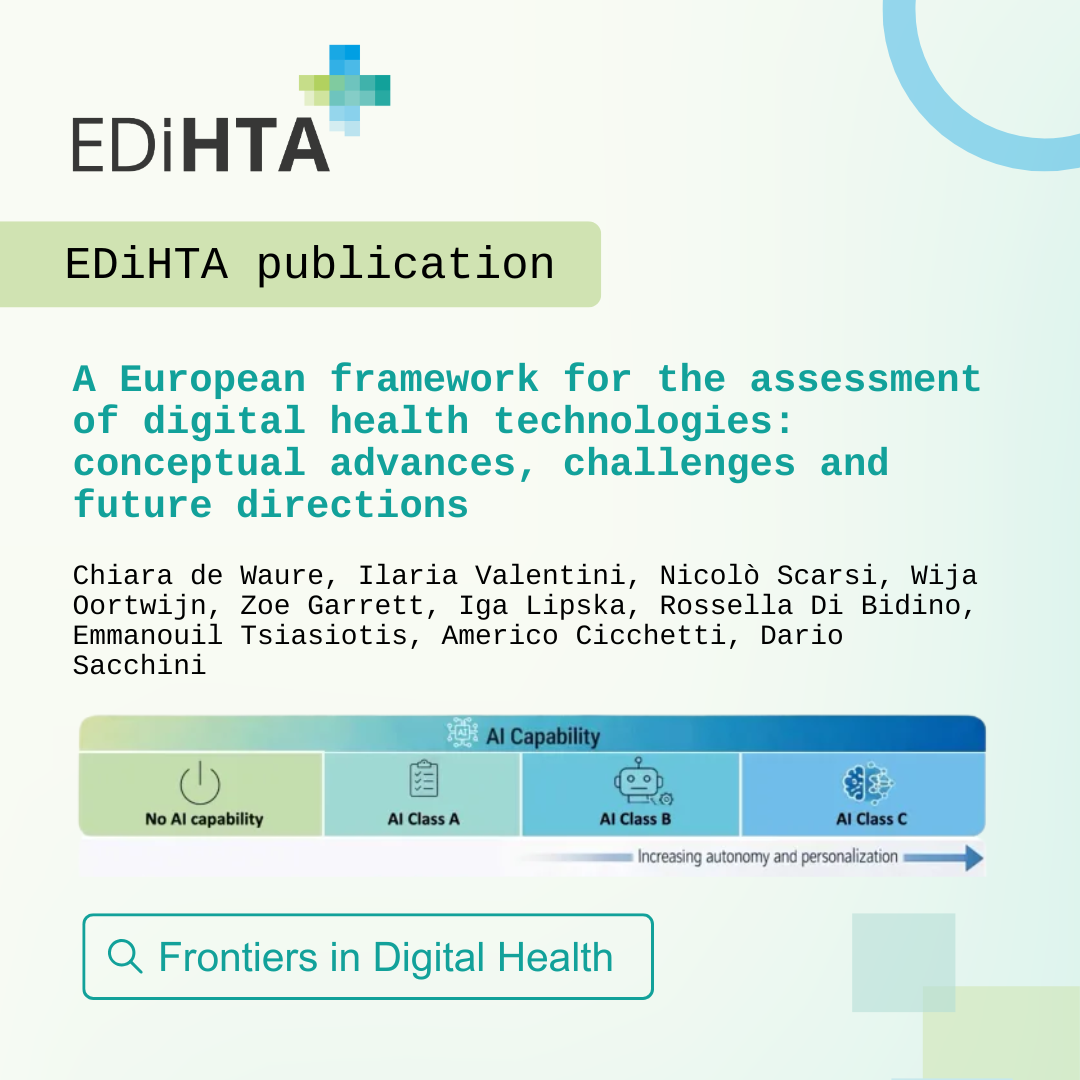
EDiHTA partners have published a new peer-reviewed scientific article presenting the conceptual design of the project’s European framework for the assessment of digital health technologies (DHTs).
The article, titled “A European Framework for the Assessment of Digital Health Technologies: Conceptual Advances, Challenges, and Future Directions” is authored by Chiara de Waure, Ilaria Valentini, Nicolò Scarsi, Wija Oortwijn, Zoe Garrett, Iga Lipska, Rossella Di Bidino, Emmanouil Tsiasiotis, Americo Cicchetti and Dario Sacchini. The publication describes the conceptual foundations of the EDiHTA framework and outlines how it has been developed through a co-creation process involving policymakers, HTA agencies, clinicians, patients, technology developers, researchers, and healthcare providers across Europe.
Read the paper: Frontiers in Digital Health (2026) | DOI: 10.3389/fdgth.2026.1809237
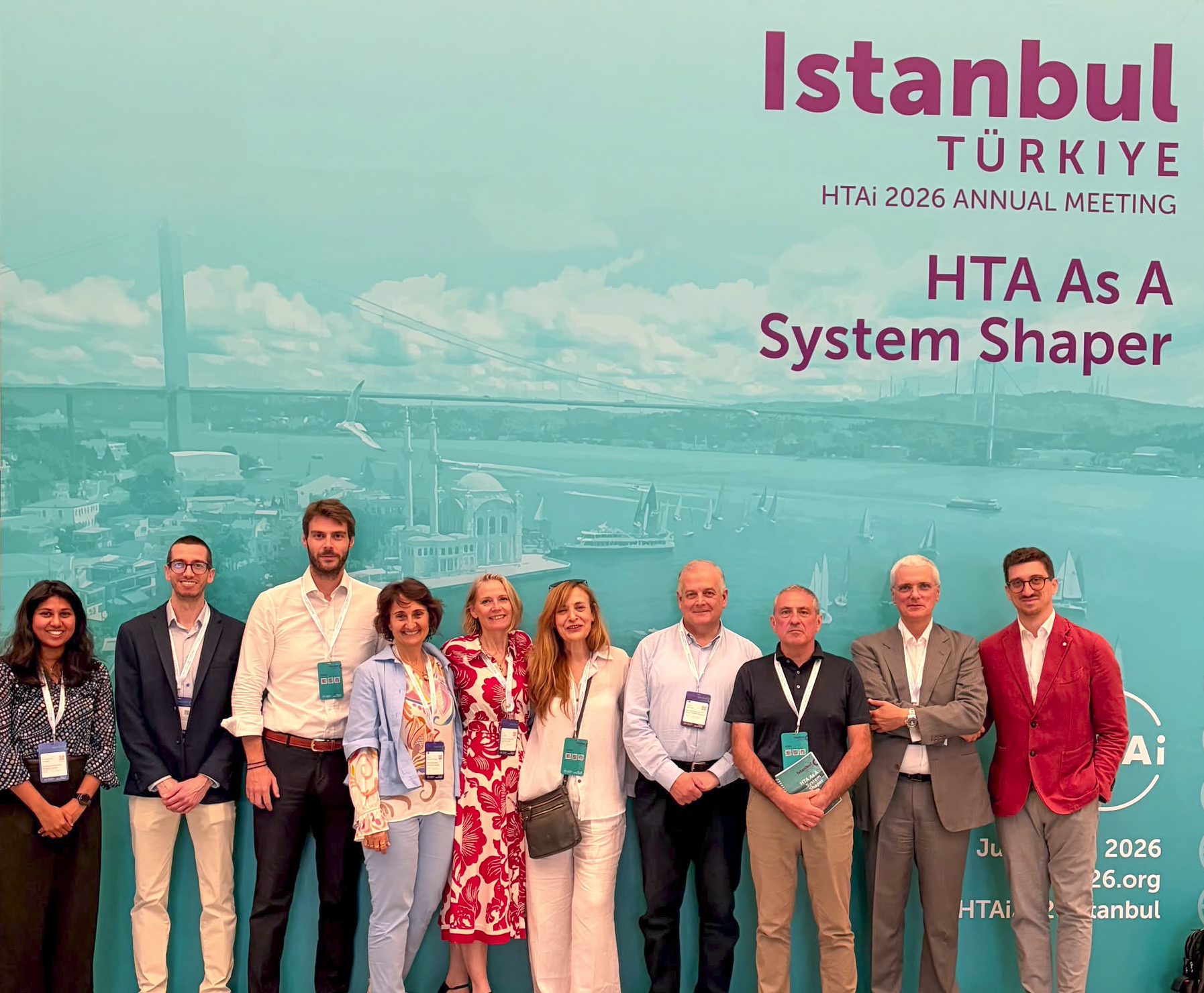
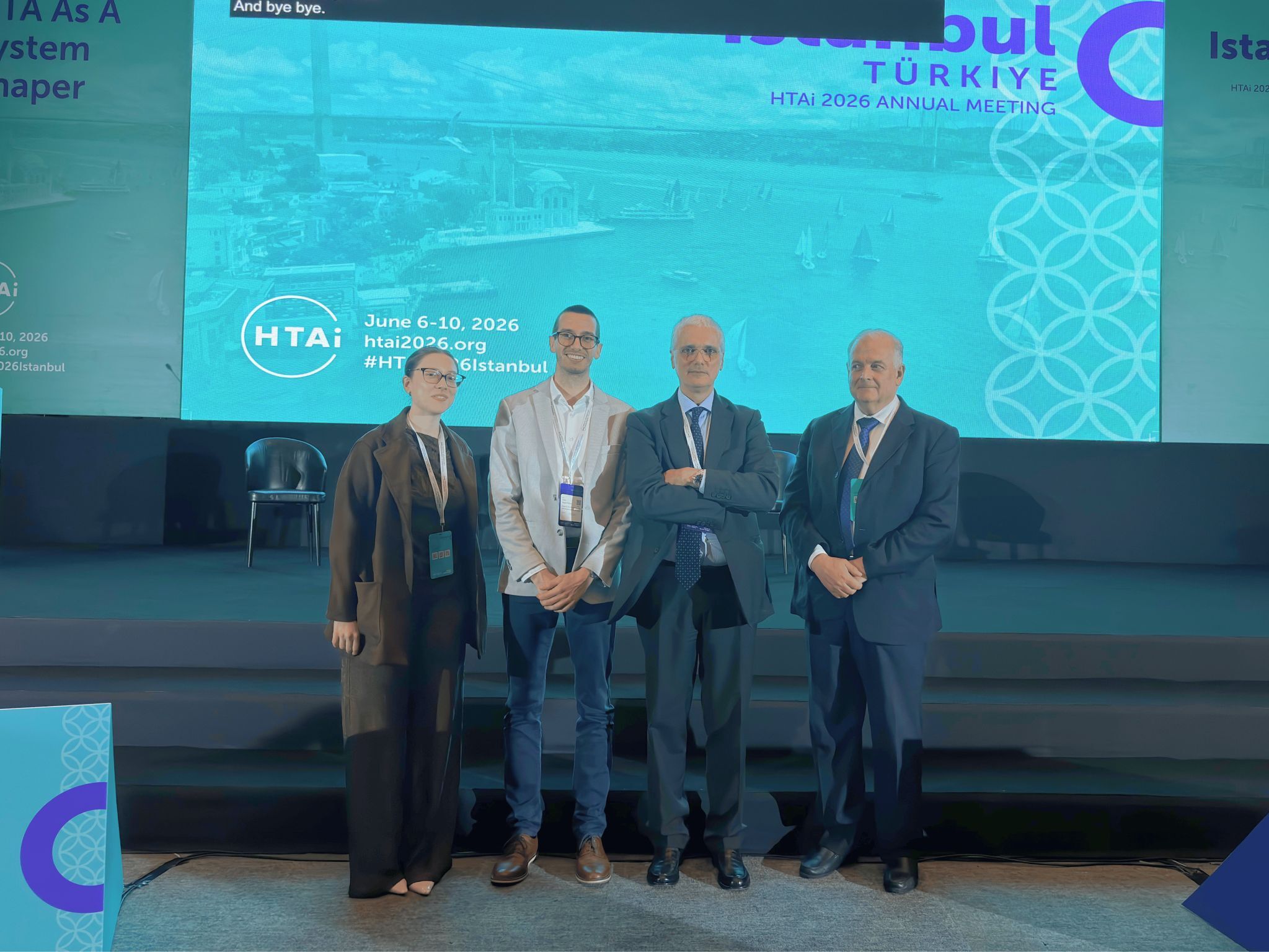
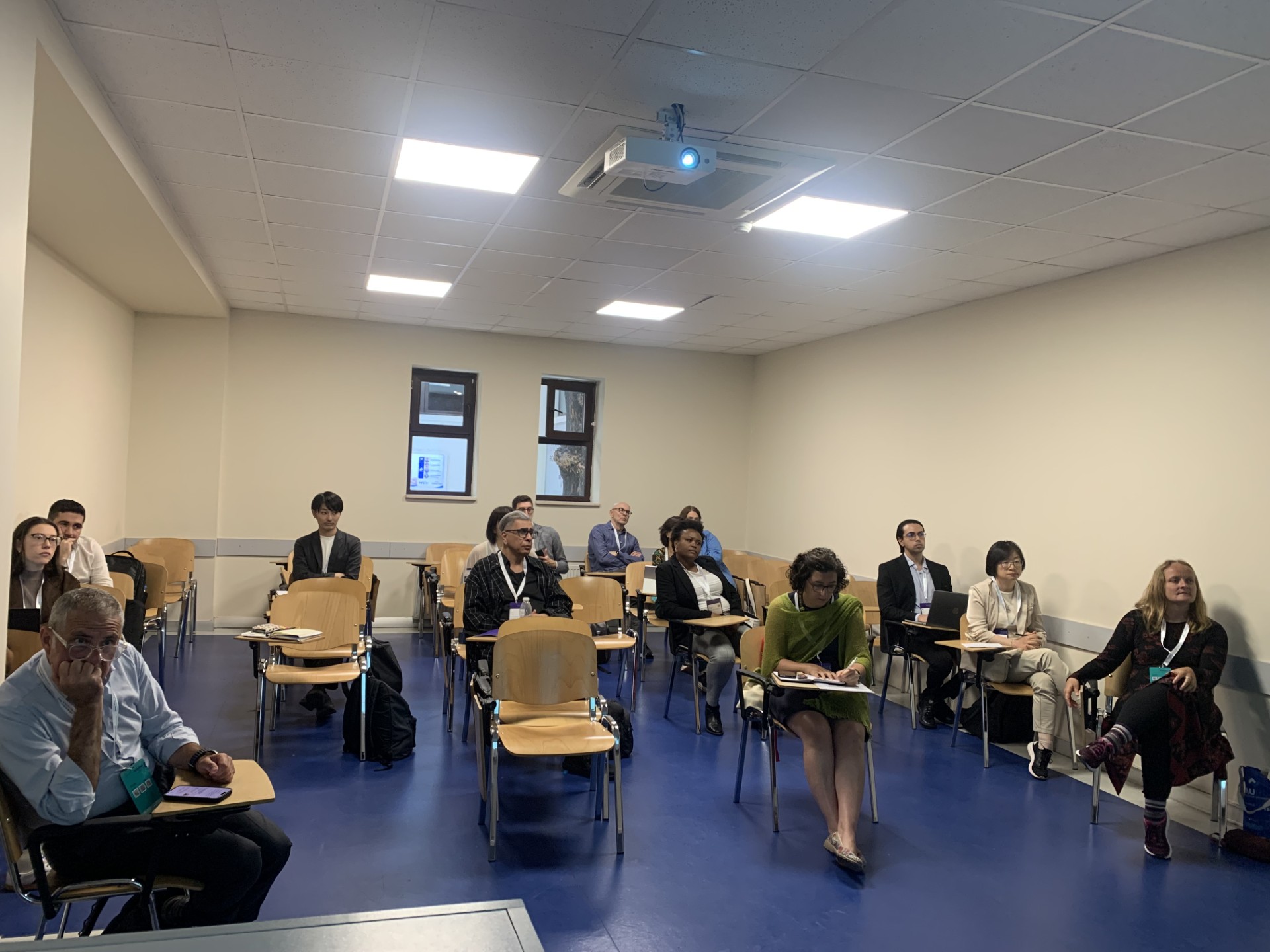
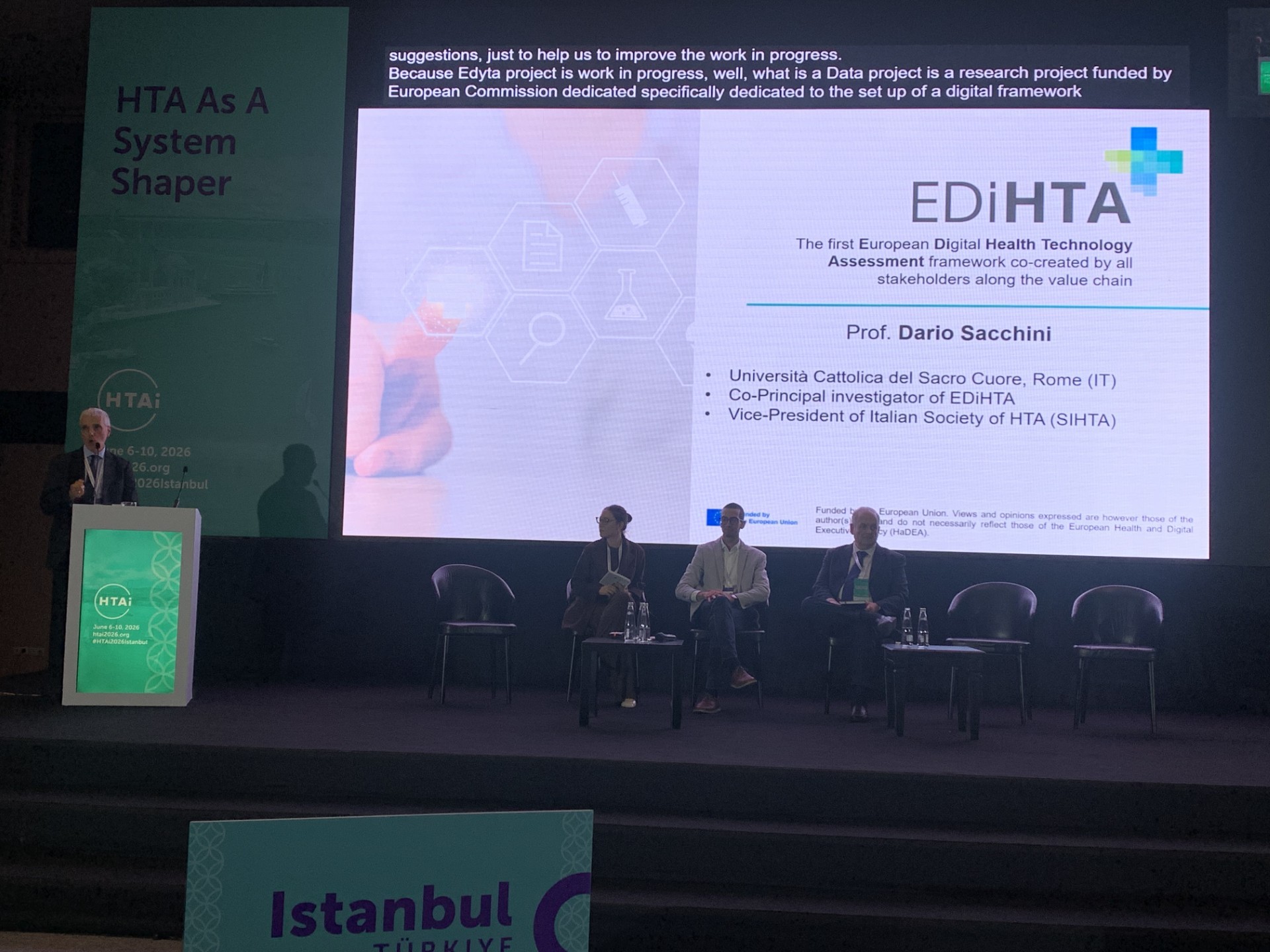
As the Health Technology Assessment International Annual Meeting in Istanbul comes to a close, EDiHTA would like to thank everyone who contributed to making the event a valuable and memorable milestone for the project.
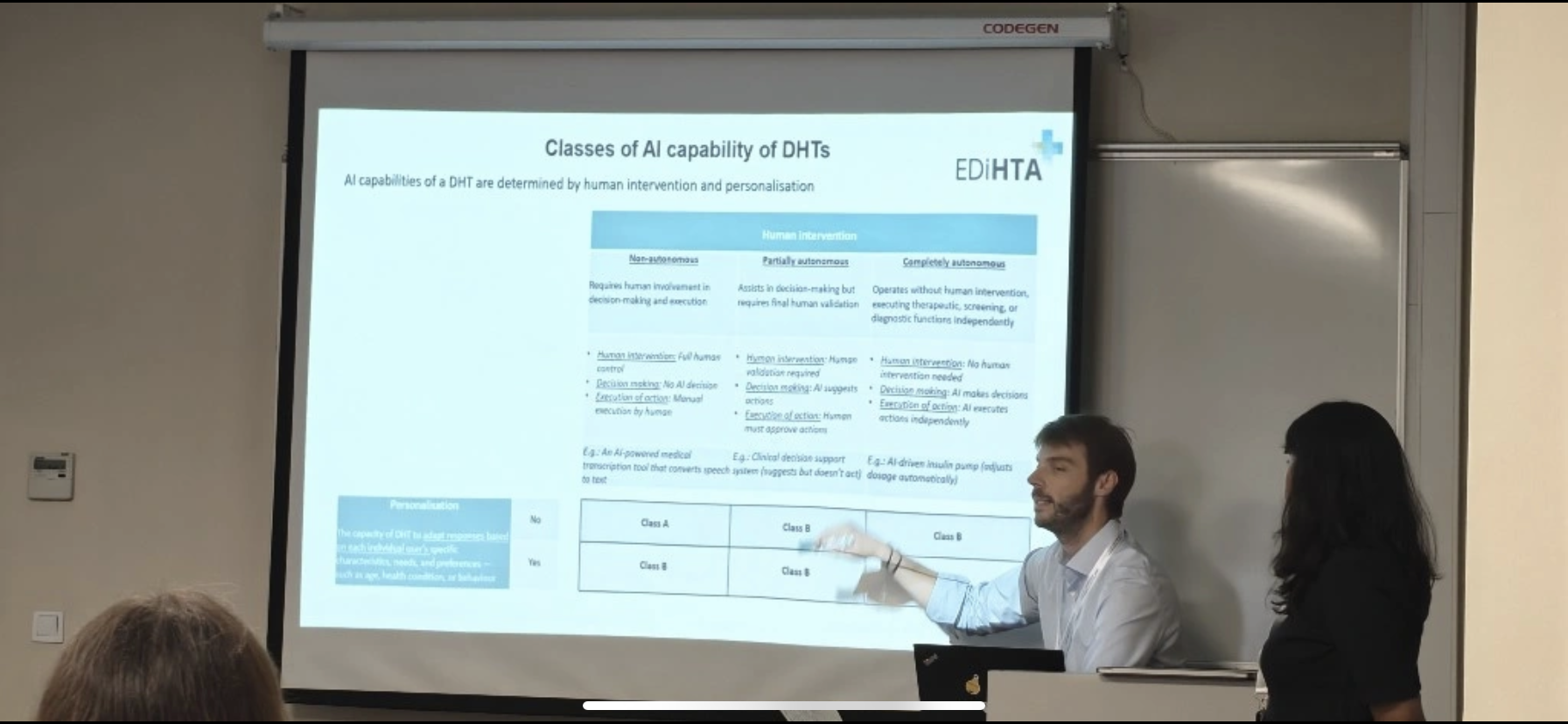
Over the course of the conference, EDiHTA was proud to contribute to the scientific programme through:
These contributions reflect the collaborative efforts of our consortium and our shared ambition to advance rigorous, transparent and lifecycle-based Health Technology Assessment for Digital Health Technologies. One of the highlights of this year’s meeting was the opportunity to engage with experts from across the world in shaping the future evaluation of AI-enabled Digital Health Technologies. The enthusiasm, constructive discussions and willingness to collaborate confirmed that there is a growing international momentum towards developing more harmonised and globally relevant methodological approaches.
For EDiHTA, Istanbul marks not the end of the journey, but the beginning of a new phase. As the project moves towards its final year, our focus is increasingly on sustainability, international collaboration and ensuring that the framework continues to evolve beyond the lifetime of the project.
We now look ahead to HTAI 2027 in Brussels, where we hope to celebrate a major milestone for EDiHTA by presenting the project’s final outcomes, sharing the progress made towards a globally applicable framework for Digital Health Technologies, and continuing the dialogue with the international HTA community. A sincere thank you to all consortium partners, collaborators, presenters, participants and everyone who stopped by our sessions to exchange ideas and challenge our thinking.
The future of Digital Health Technology Assessment will be built together. See you in Brussels!
Stay informed about latest EDiHTA results, conferences, and milestones.