Category: Uncategorized

  • EDiHTA Talks #1: Exploring the Role of Patients in Digital Health Technology Assessment

    EDiHTA Talks #1: Exploring the Role of Patients in Digital Health Technology Assessment

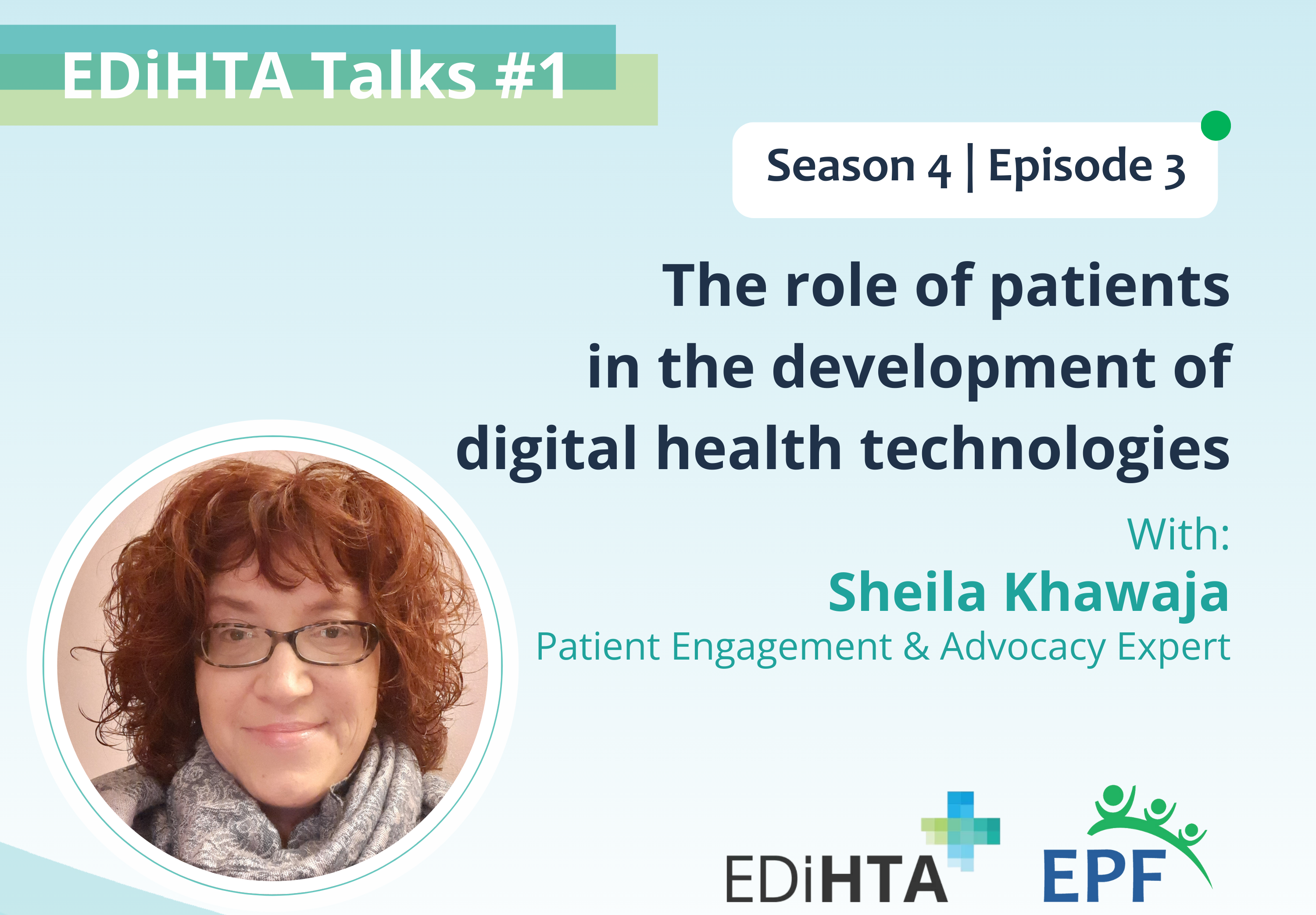
    EDiHTA Talks: Our first episode on the EU Patients’ Forum Podcast | Exploring the Role of Patients in Digital Health Technology Assessment

    We are excited to introduce the “EDiHTA talks”―our first episode on the European Patients’ Forum (EPF) Podcast, hosted by EPF, for discussions on Digital Health Technology Assessment (HTA) and its impact on healthcare innovation. As digital health technologies continue to evolve, ensuring that they are effectively assessed, accessible and patient-centred is crucial.

    The first episode of the series features a conversation with Sheila Khawaja, a Patient Engagement and Advocacy Expert and active member of the EDiHTA Patient Advisory Group. The discussion highlights the importance of patient involvement in the development and evaluation of digital health solutions, including telemedicine, AI-driven healthcare and mobile health applications.

    The Role of Patients in Digital Health Innovation

    Digital health technologies offer enormous potential to improve healthcare accessibility, efficiency and outcomes. However, as Sheila explains, their successful implementation depends on early and meaningful patient engagement. Without patient insights, there is a risk of developing technologies that do not align with real-world needs, leading to poor adoption rates and wasted resources.

    Sheila’s advocacy work allows her to bring a broad perspective on patient needs and expectations. She emphasises that the most effective digital health technologies are those developed in collaboration with the people who will use them—patients, caregivers and healthcare professionals.

    Overcoming Barriers to Digital Health Adoption

    One of the key challenges discussed is digital health literacy. While many people can understand a medical diagnosis, using digital tools to manage health requires a different set of skills. Sheila points out that improving digital health education is essential to ensure patients can fully benefit from these innovations.

    Another important factor is trust in AI and data security. Patients are increasingly open to AI-driven healthcare solutions, but they need assurance that their data will be protected, used ethically and not exploited for commercial purposes.

    Additionally, the conversation highlights the importance of cultural and ethical considerations in digital health adoption. Healthcare systems across Europe vary in their readiness to integrate AI and digital technologies, and these differences must be addressed to create inclusive and scalable solutions.

    What’s Next in the EDiHTA Podcast Series?

    This episode is just the beginning of a series that will bring together different perspectives of patient engagement and advocacy experts across Europe to discuss the evolving landscape of Digital Health Technology Assessment. In EDiHTA we want to ensure that the voices of patients are heard. Stay tuned for more EDiHTA podcast episodes! Stay informed as we continue to explore the future of digital health technology assessment in Europe.

    You can also listen to the full interview on our YouTube channel and EPF’s Spotify channel.

    Special thank you to our guest speaker Sheila Khawaja and the European Patients’ Forum team.

  • RECAP: AQuAS to present EDiHTA at the XIII Meeting of the Working Group on Imaging in Dermatology

    RECAP: AQuAS to present EDiHTA at the XIII Meeting of the Working Group on Imaging in Dermatology

    RECAP: AQuAS to present EDiHTA at the XIII Meeting of the Working Group on Imaging in Dermatology

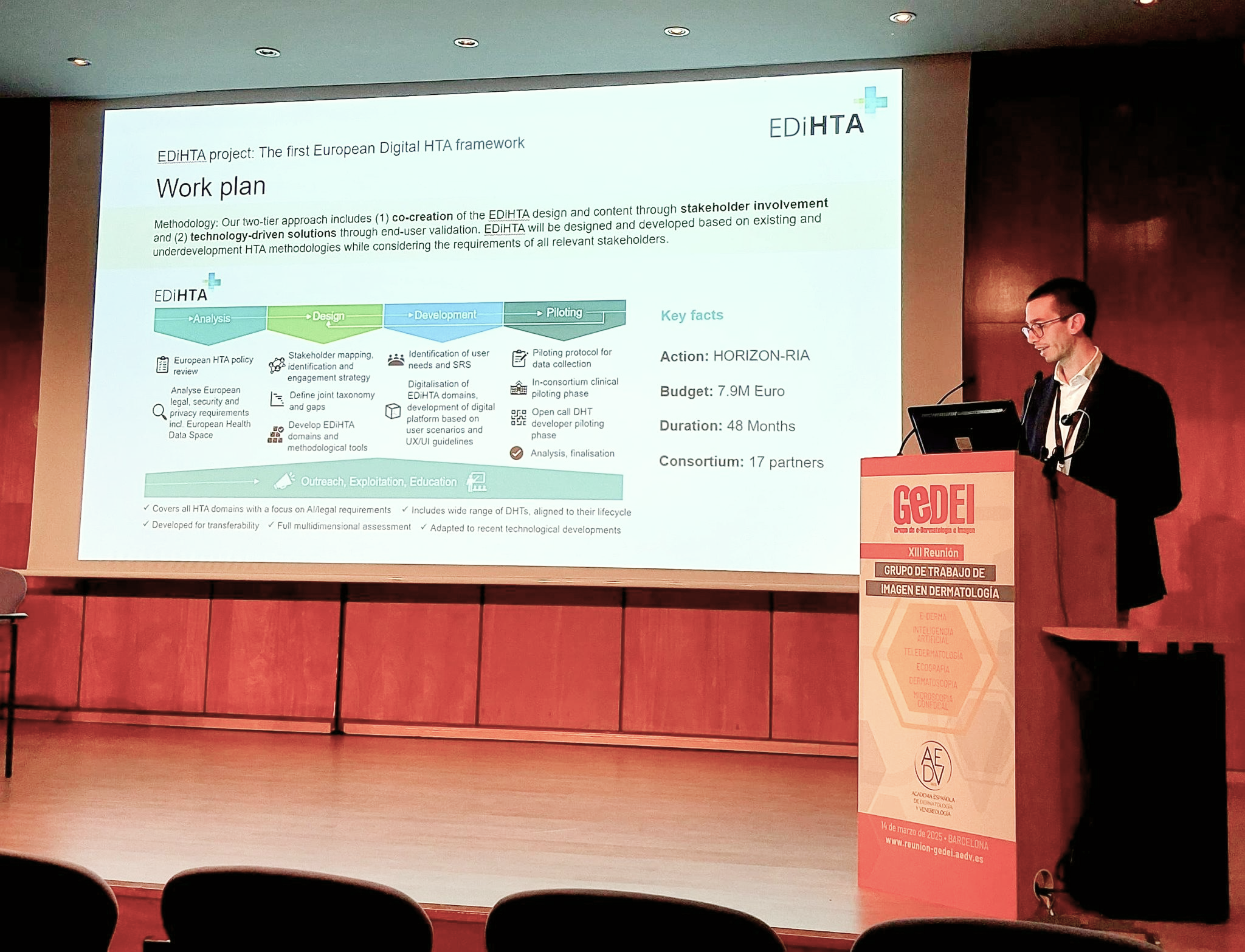
    Last week, Joan Segur-Ferrer, our partner from AQuAS, represented the EDiHTA project at the XIII Meeting of the Working Group on Imaging in Dermatology, held on 14 March 2025, in Barcelona. Joan delivered a presentation “EDiHTA: The First European Framework for Digital Health Technology Assessment, Co-Created by Stakeholders Across the European Health Ecosystem” during Plenary Session III, introducing the first European framework for Digital Health Technology Assessment (HTA), co-created by stakeholders across the European health ecosystem.

    During his talk, Joan outlined the EDiHTA project’s mission to develop a standardised, stakeholder-driven framework for evaluating DHTs across Europe. His insights provided attendees with a deeper understanding of the project’s objectives, methodologies and potential impact on healthcare innovation.

    The event, organised by the Spanish Academy of Dermatology and Venereology (AEDV) and the Spanish Group of e-Dermatology and Imaging (GEDEI), brought together leading experts in teledermatology, AI in dermatology, ultrasound, confocal microscopy, and dermatoscopy to discuss the latest advancements in the field.

    We are grateful for the opportunity to showcase EDiHTA at this event and look forward to continuing collaborations that drive innovation in HTA.

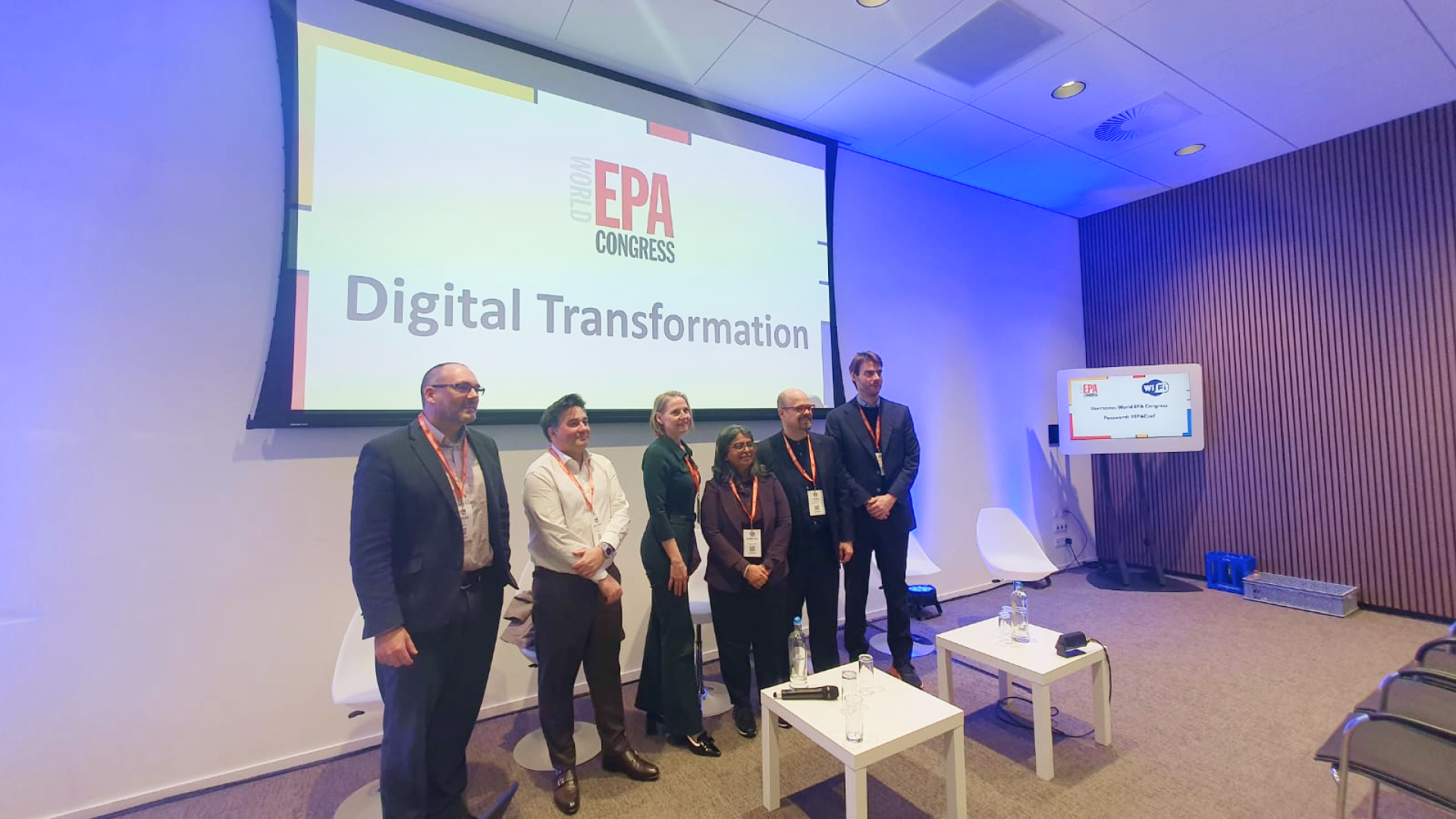
  • RECAP: EDiHTA at EPA Congress 2025—Paving the Way for a Unified Digital HTA Framework

    RECAP: EDiHTA at EPA Congress 2025—Paving the Way for a Unified Digital HTA Framework

    RECAP: EDiHTA at EPA Congress 2025—Paving the Way for a Unified Digital HTA Framework

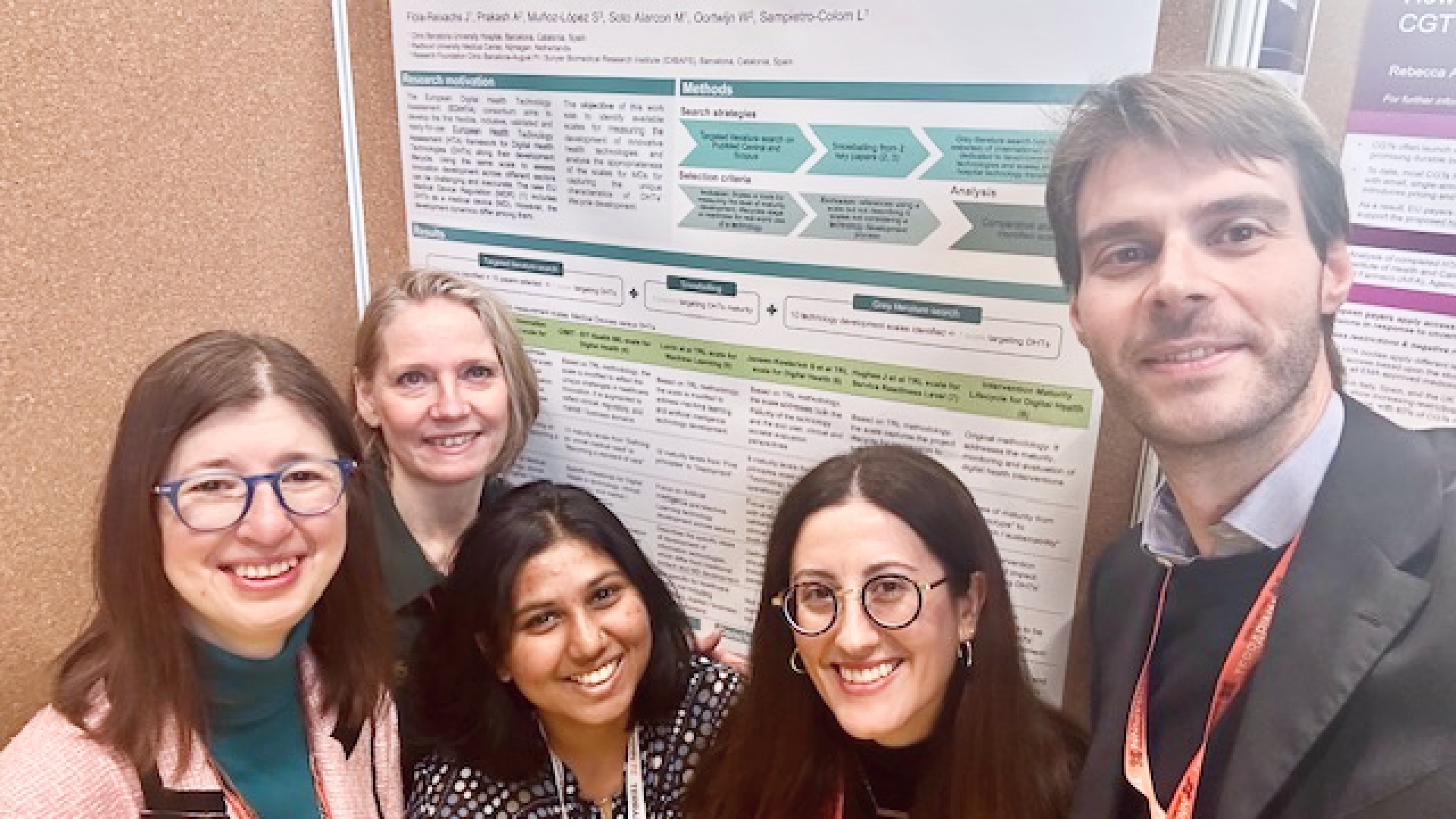
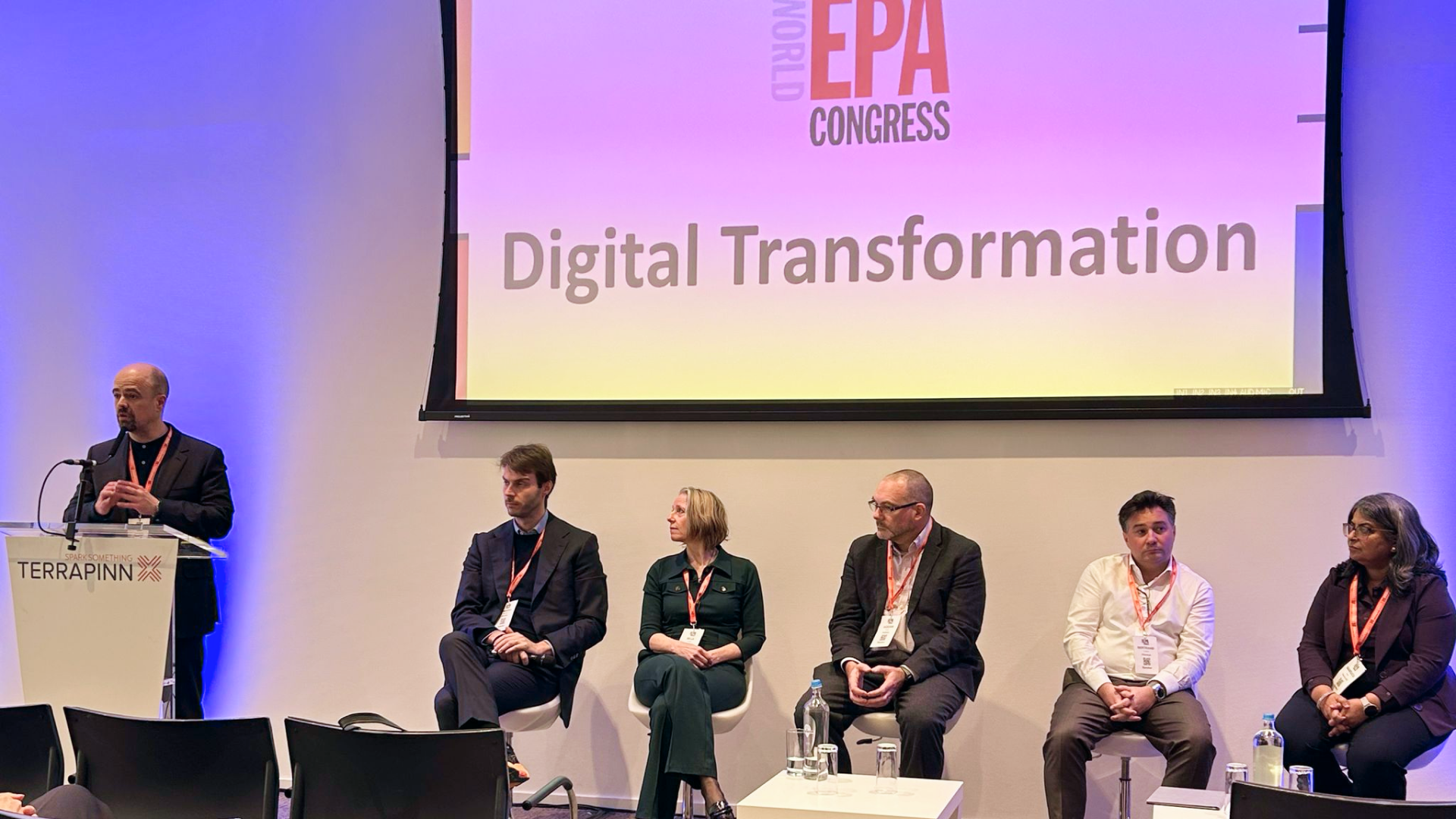
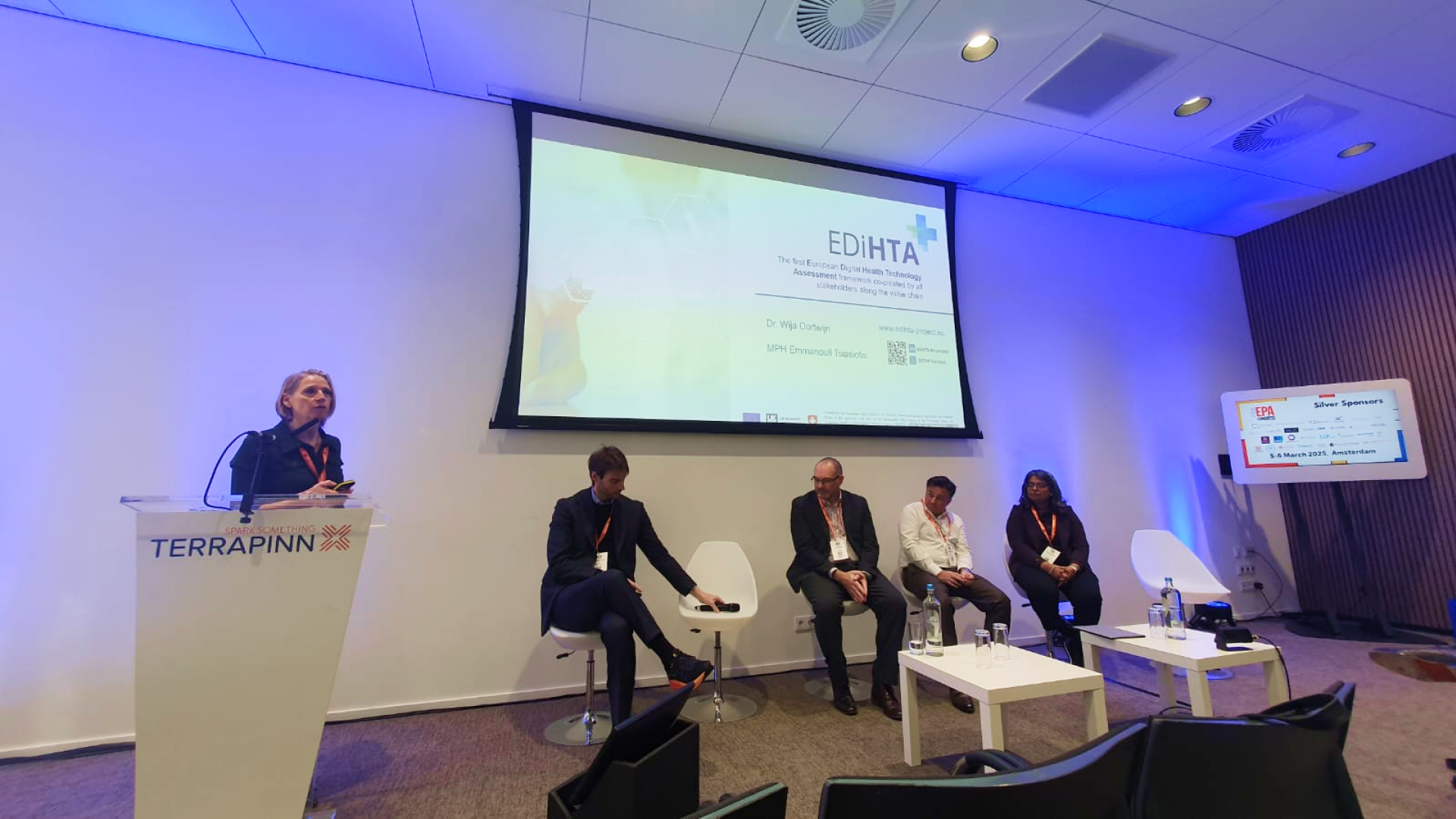
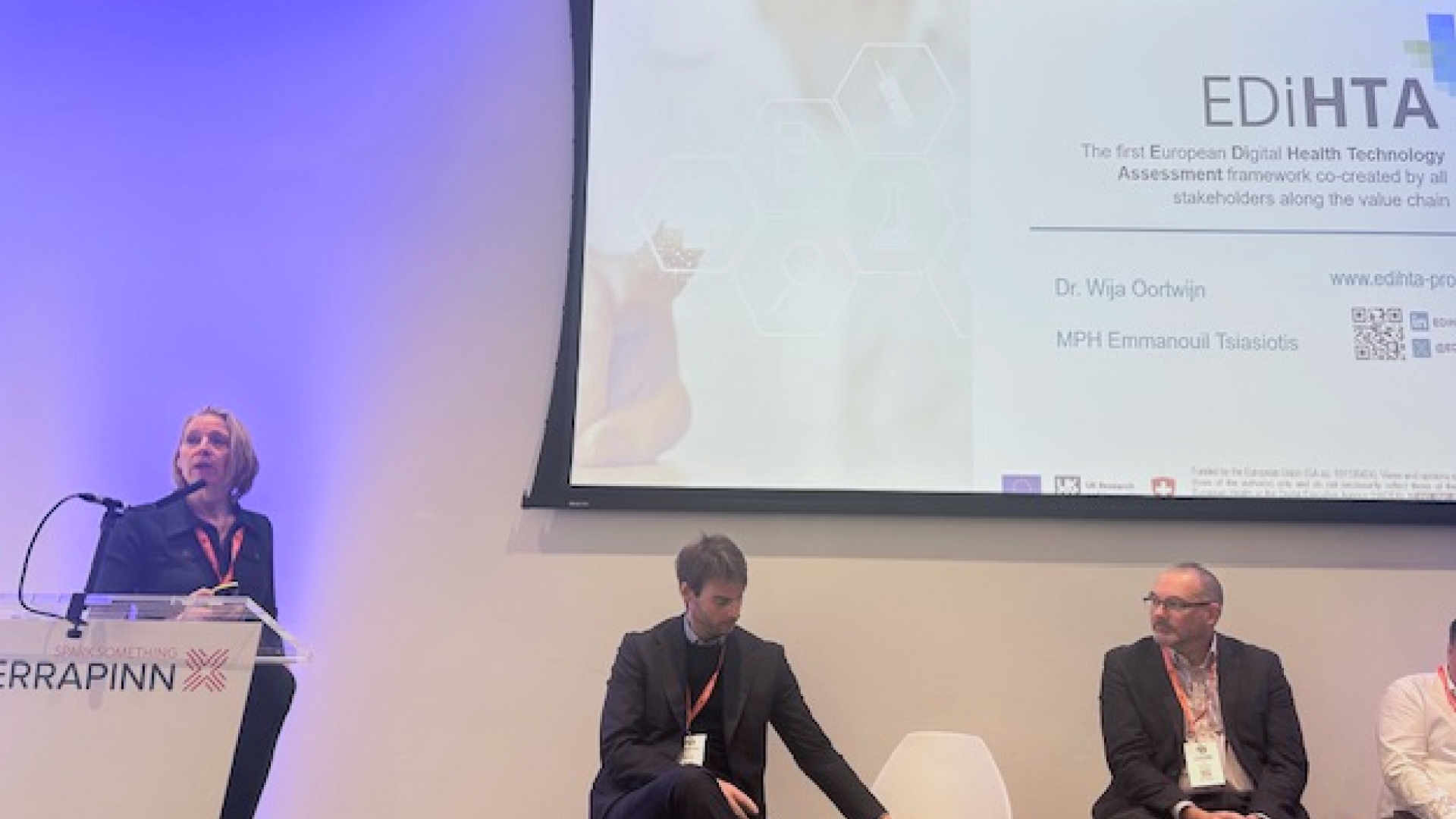
    Last week, EDiHTA had the privilege of participating in the World Evidence, Pricing, and Access (EPA) Congress 2025, held on 5-6 March at the RAI Congress Centre in Amsterdam. Recognised as Europe’s largest gathering of market access, pricing, and evidence professionals, the event provided an invaluable platform to showcase EDiHTA’s pioneering efforts in shaping the future of digital health technology assessment (HTA).

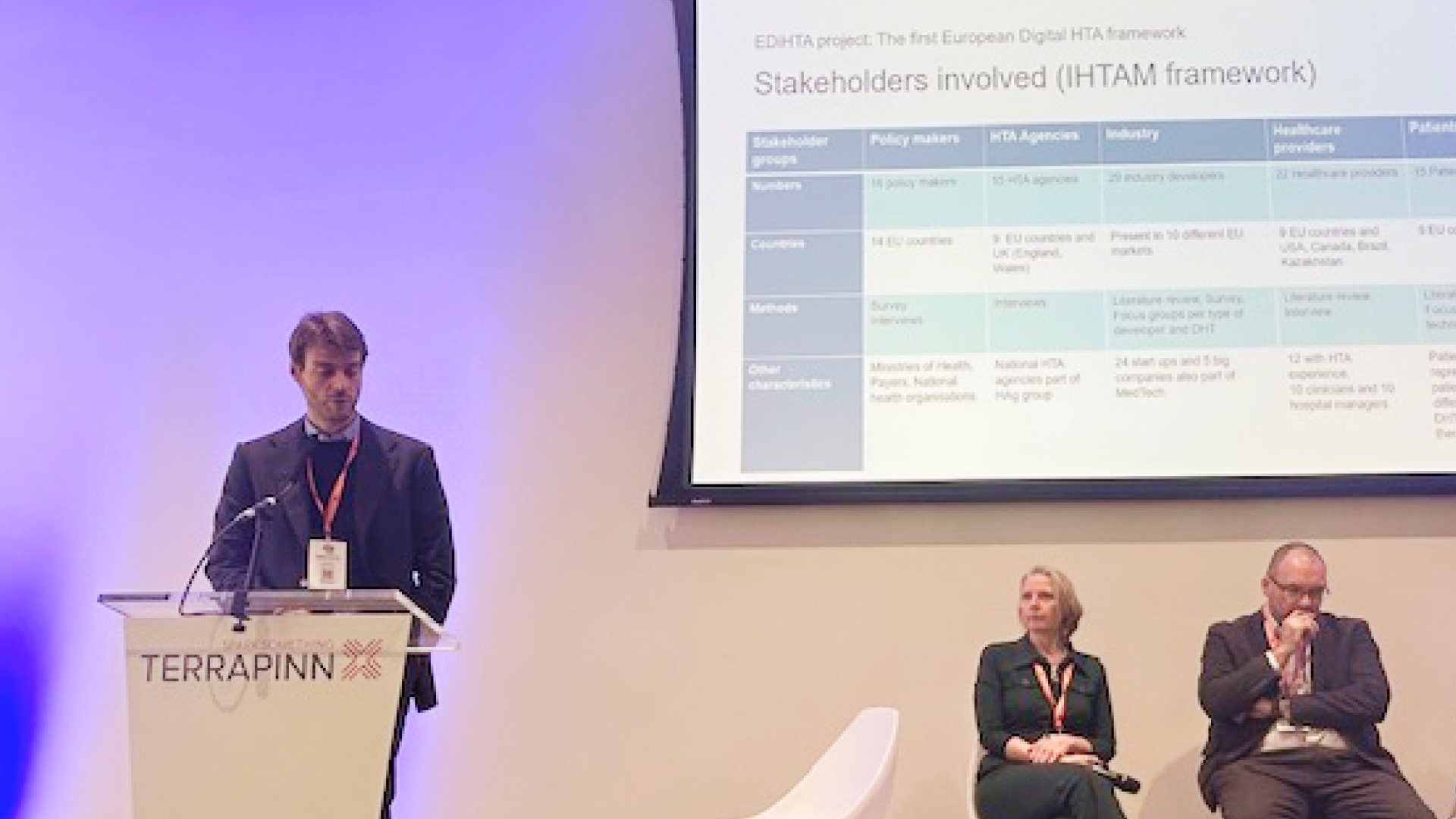
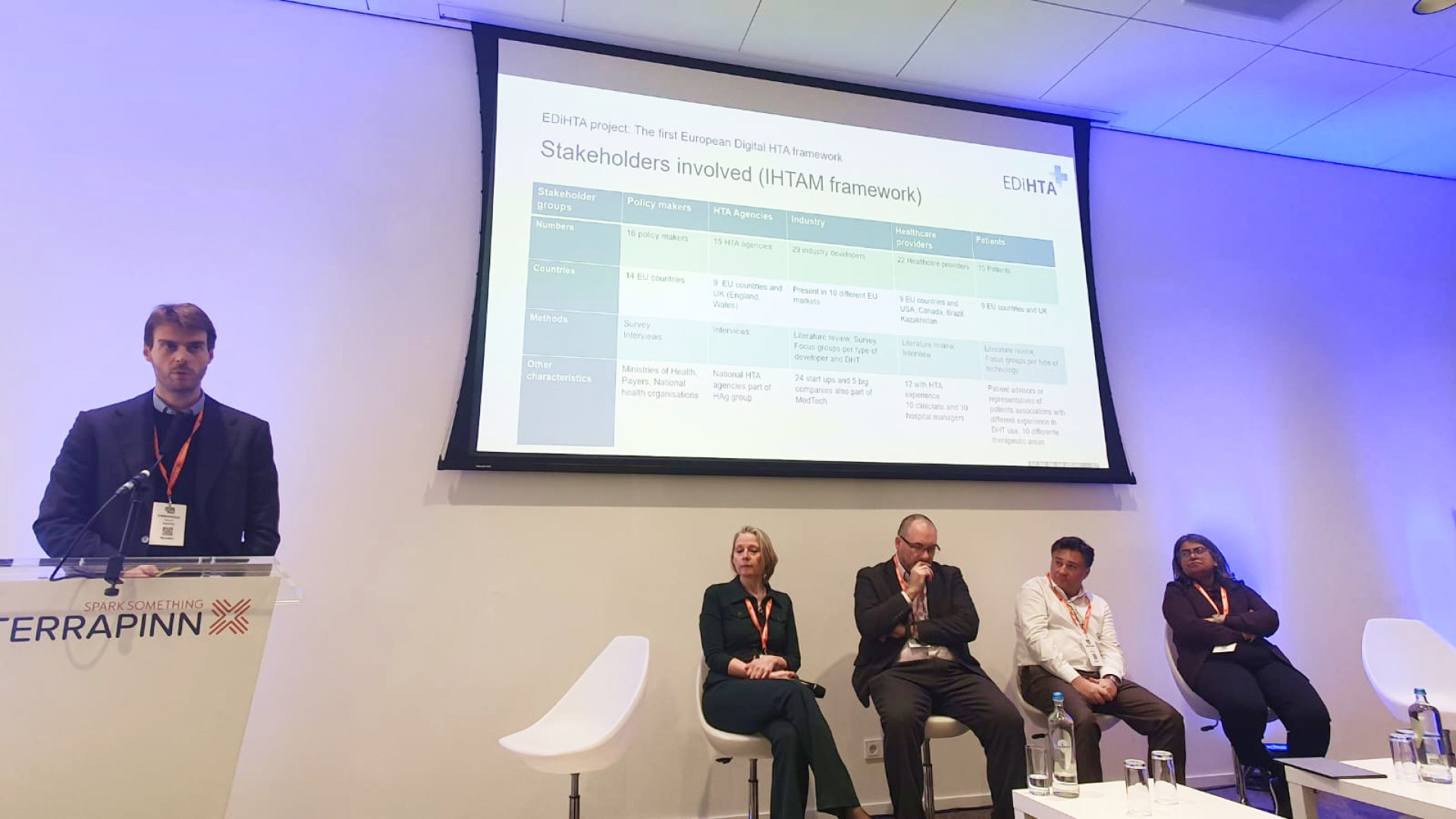
    Dr. Wija Oortwijn (RUMC) and Emmanouil Tsiasiotis (UCSC) delivered a compelling presentation on the project’s early findings. They emphasised the need for a harmonised digital HTA framework to support a common EU market for digital health technologies (DHTs), facilitating their faster integration into healthcare systems.


    Key Takeaways from the Presentation

    • Defining DHTs: A structured taxonomy and a unique definition for digital health technologies to ensure clarity and consistency across stakeholders.
    • Stakeholder Perspectives: Insights from 100 institutions, including policy makers, HTA agencies, healthcare providers, developers, and patient organisations, highlighting key areas of harmonisation for the future EDiHTA framework.

    The Congress brought together a diverse range of industry leaders, policy makers, and HTA agencies, fostering discussions on the next steps in digital health adoption and regulation. EDiHTA’s participation underscored the importance of collaboration in designing an effective, pan-European HTA framework that balances innovation, regulation, and patient needs.

    We extend our thanks to everyone who engaged with us during the event and look forward to continuing these vital conversations.

    Stay tuned for more updates on EDiHTA’s progress and upcoming initiatives!

  • AQuAS to present EDiHTA at the XIII Meeting of the Working Group on Imaging in Dermatology

    AQuAS to present EDiHTA at the XIII Meeting of the Working Group on Imaging in Dermatology

    AQuAS to present EDiHTA at the XIII Meeting of the Working Group on Imaging in Dermatology

    We are excited to announce that our partner from AQuAS, Joan Segur-Ferrer, will be presenting the EDiHTA project at the XIII Meeting of the Working Group on Imaging in Dermatology, taking place on March 14, 2025, in Barcelona. Joan’s presentation, titled “EDiHTA: The First European Framework for Digital Health Technology Assessment, Co-Created by Stakeholders Across the European Health Ecosystem”, is scheduled for Friday, March 14, from 15:30 to 15:45, during the Plenary Session III of the event.

    The EDiHTA project plays a crucial role in shaping the future of digital health technology assessment (HTA) by bringing together key stakeholders from across Europe to establish a unified framework. Joan’s talk will provide valuable insights into the project’s objectives, methodologies, and its impact on the evolving landscape of health technology evaluation.

    The XIII Meeting of the Working Group on Imaging in Dermatology, organised by the Spanish Academy of Dermatology and Venereology (AEDV) and the Spanish Group of e-Dermatology and Imaging (GEDEI), gathers experts in teledermatology, AI in dermatology, ultrasound, confocal microscopy, and dermatoscopy to discuss the latest advancements in the field.

    Stay tuned for updates following Joan’s presentation!

  • RECAP: AQuAS to represent EDiHTA at Mobile World Congress: exploring digital health in value-based care

    RECAP: AQuAS to represent EDiHTA at Mobile World Congress: exploring digital health in value-based care

    RECAP: AQuAS to represent EDiHTA at Mobile World Congress: exploring digital health in value-based care

    On 3 March, Joan Segur-Ferrer, Health Technology Assessment Specialist at AQuAS, presented the EDiHTA project at the Mobile World Congress (MWC) 2025 in Barcelona. At the event, he highlighted how robust evaluations and how they will develop—using tools like the AI evaluation guide and the RedETS framework—can help developers identify risks, implementation boundaries and scalability challenges in digital health solutions.

    Joan also explained the need to balance evidence generation with innovation by distinguishing between certification, validation and evaluation. In that context, a major focus was on the EDiHTA project co-created by stakeholders along the value chain as it is a strategic project in the development of new methodologies to assess DHT and it is embedded in the daily practice of AQuAS work. EDiHTA offers a flexible, inclusive, and ready-for-use framework for assessing various digital health technologies (e.g., telemedicine, mobile apps, AI) across different maturity stages and decision-making levels.

    Joan also stressed its comprehensiveness and representativeness through the 19 partners involved in the project from different EU countries. His insights reaffirm the importance of structured evaluation methodologies in shaping the future of digital health.

    Stay tuned for more updates!

  • EDiHTA participating in the THCS Webinar: How digital health technology assessment can contribute to the transformation of health and social care systems?

    EDiHTA participating in the THCS Webinar: How digital health technology assessment can contribute to the transformation of health and social care systems?

    EDiHTA participating in the THCS Webinar: How digital health technology assessment can contribute to the transformation of health and social care systems?

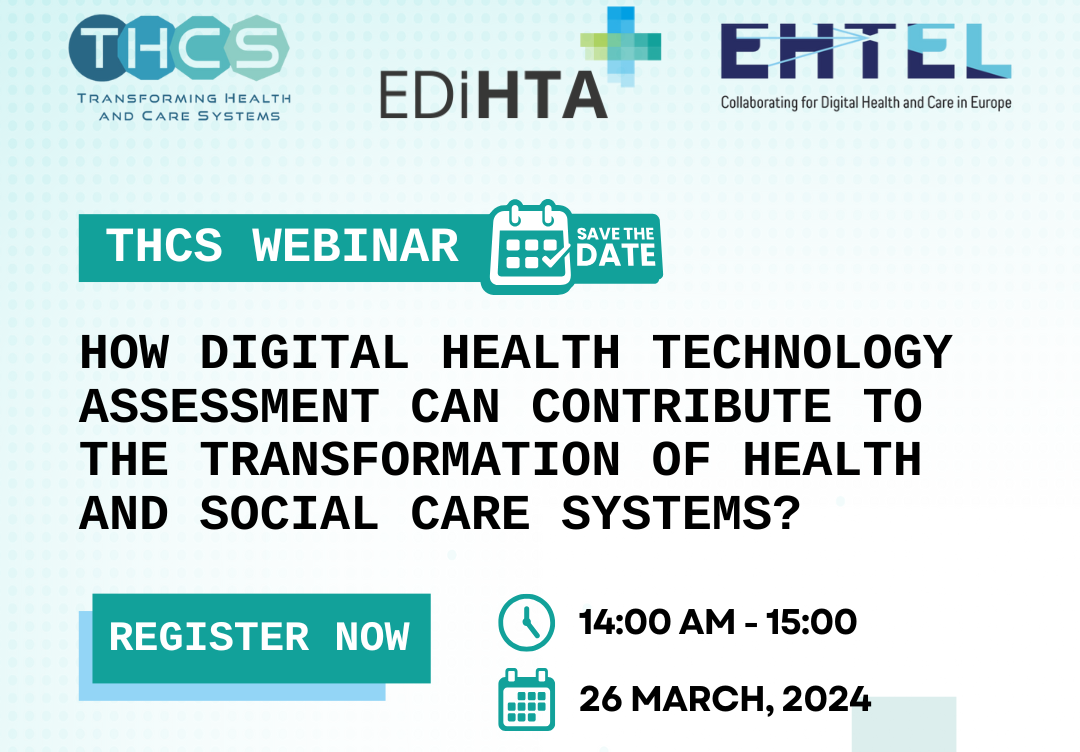
    We are excited to announce EDiHTA’s participation in the upcoming THCS Shared Learning Webinar, organised by Transforming Health and Care Systems (THCS). During this webinar, we will explore the synergies and collaborative efforts between THCS and EDiHTA. With the theme “How can health technology assessment (HTA) for digital health technologies contribute to the transformation of health and social care systems?” this webinar is essential for anyone interested in the future of healthcare innovation in Europe.

    Date: 26 March 2025

    Time: 14:00 – 15:00 CET

    To register to participate in the webinar, click the button below

    To download webinar agenda, click the button below

    Join us as we delve into the challenges and opportunities within digital HTA and discover how our frameworks can facilitate meaningful transformation across Europe’s health and social care systems. Don’t miss out on this critical discussion—register now and stay tuned for more details!


    Background

    Digital health technologies (DHTs) are expected to improve both the quality and delivery of healthcare services for European countries while ensuring the sustainability of Europe’s healthcare systems. However, the implementation of DHTs implies new methodological challenges to the standardisation of assessment criteria. As long as existing Health Technology Assessment methodologies remain not harmonised and interoperable at EU level, they are unable to capture the real added value of DHTs.

    Our work at EDiHTA focuses on addressing the challenges of DHTs’ implementation across Europe’s health systems. Despite their potential to improve healthcare delivery and sustainability, DHTs require standardised and interoperable assessment criteria at the EU level. That’s why the EDiHTA consortium is set to develop the first flexible, inclusive, validated and ready-for-use European HTA framework allowing the assessment of different DHTs (e.g. telemedicine, mApps, AI) at different Technology Readiness Levels, territorial levels (national, regional and local) and perspectives (e.g. payer, society, hospital).

  • EDiHTA to be presented in World EPA Congress 2025

    EDiHTA to be presented in World EPA Congress 2025

    EDiHTA to be presented at World EPA Congress 2025 in Amsterdam, 5-6 March

    EDiHTA is proud to announce its participation in the World Evidence, Pricing, and Access (EPA) Congress 2025, to be held on March 5-6 at the RAI Congress Centre in Amsterdam. Renowned as Europe’s largest gathering of market access, pricing, and evidence professionals, the World EPA Congress offers a vital platform to explore breakthroughs in health technology assessment (HTA).

    During the event, EDiHTA representatives Dr. Wija Oortwijn and Emmanouil Tsiasiotis will present EDiHTA’s pioneering work to create a common EU market for digital health technologies, empowering faster integration into health systems. Accompanying them are Marco Marchetti (AGENAS), Rossella Di Bidino (UCSC), Rosa Maria-Vivanco Hidalgo (AQuAS) and Dalia Dawoud (NICE), who will also represent the EDiHTA project.


    The EDiHTA partners will provide:

    • Insights into the first-ever digital HTA framework, developed to assess digital health technologies.
    • Discussions on how we’re integrating existing methodologies with technology-driven solutions to create a flexible, stakeholder-driven framework.
    • Opportunities to connect with us to learn about the next steps in our project.


    We look forward to engaging with experts, stakeholders, and industry leaders to share ideas and explore collaborations that advance healthcare systems and patient outcomes.

    For those planning to attend, EDiHTA looks forward to engaging with you and delving into collaborative opportunities. Reach out to our partners!

  • AQuAS to represent EDiHTA at Mobile World Congress: exploring digital health in value-based care

    AQuAS to represent EDiHTA at Mobile World Congress: exploring digital health in value-based care

    AQuAS to represent EDiHTA at Mobile World Congress: exploring digital health in value-based care

    We’re thrilled to announce that Joan Segur-Ferrer, a Health Technology Assessment Specialist at our partnering organisation, AQuAS, will be representing EDiHTA at the Mobile World Congress in Barcelona. Joan will participate in a roundtable discussion on “Digital Health Value-Based Care” on 3 March at 3 PM. This event offers a great opportunity to explore the pivotal role of digital health in advancing value-based care. We’re eagerly anticipating the insightful conversations to come!

    The Mobile World Congress (MWC) is one of the world’s largest and most influential events for the mobile and connectivity industry. MWC 2025 will focus on showcasing the latest innovations and technologies in mobile communications and digital transformation. It brings together industry leaders, technology experts, and innovators from around the globe to discuss current trends, future advancements and the impact of mobile technology on various sectors. The event typically features thought-provoking keynote speeches, panel discussions, and exhibitions from prominent companies, offering insights into the future of connectivity, mobile innovations, 5G advancements, and digital health, among other topics. Follow this link to learn more about the event.

  • European Commission Prioritises Health Technology Assessment with New Scientific Consultations

    European Commission Prioritises Health Technology Assessment with New Scientific Consultations

    European Commission Prioritises Health Technology Assessment with New Scientific Consultations

    In a move highlighting the critical importance of Health Technology Assessment (HTA), the European Commission has officially launched its first request submission period for joint scientific consultations (JSCs) under the Health Technology Assessment Regulation (EU) 2021/2282. This initiative underscores the Commission’s commitment to facilitating informed development and assessment of new health technologies.

    The JSCs are designed to provide a valuable platform for health technology developers (HTDs) to interact with regulatory authorities. Through these consultations, developers can share their development plans for medicinal products or medical devices and receive essential guidance on the type of information, data, analyses, and evidence required for joint clinical assessments. The consultations are managed by the JSC subgroup of the Member State Coordination Group for HTA.

    Developers can submit their requests for consultations between 3 February and 3 March 2025. In their requests, HTDs can apply for the following consultation slots for medicinal products:

    • Start of the procedure 2–5 June 2025 (Briefing document by 5 May 2025)
    • Start of the procedure 7–10 July 2025 (Briefing document by 2 June 2025)
    • Start of the procedure 1–4 September 2025 (Briefing document by 7 July 2025)

    This initiative highlights the Commission’s proactive role in ensuring that developments in health technology are rigorously assessed, thereby maintaining high standards of safety and efficacy in healthcare innovations.

    The EDiHTA consortium recognises the vital importance of providing the EU life science ecosystem with a new and innovative framework — one that thoroughly integrates the diverse perspectives of users in Digital Health Technologies (DHTs), including DHTs. We aim to support technology developers by accelerating the path to market access for DHTs. EDiHTA will provide relevant guidance on the requisite evidence for each DHT and TRLs  –  contributing to the goal of providing European citizens with faster access to safe and effective technologies, while also increasing trust in these innovations.

    For further information and to apply, follow this link.

  • Navigating the policy landscape: EU HTA Regulation and the European Health Data Space

    Navigating the policy landscape: EU HTA Regulation and the European Health Data Space

    Navigating the policy landscape: EU HTA Regulation and the European Health Data Space

    The EU Health Technology Assessment (HTA) Regulation, which was applied as of 12 January 2025, is set to transform the European health policy landscape. This framework is designed to streamline the clinical assessment of health technologies across the EU and help Member States make more evidence-based and timely decisions on patient access to new medicines and medical devices. At the same time, the European Health Data Space (EHDS) Regulation, which will enter into force in 2025, will revolutionise the way health data is shared and used, empowering patients to take control of their own health data while facilitating its reuse for research, innovation, policy-making, and regulatory activities.

    Under the HTA Regulation, Member States will work together to produce a single report on the clinical effectiveness and safety of medicines and selected medical devices. A key feature of the HTA Regulation is its focus on patient involvement. Patients will have direct opportunities to contribute to the joint work, ensuring that their experiences and needs are reflected. The Regulation also encourages voluntary cooperation between national HTA bodies, with the possibility of extending the joint work to digital health technologies (DHTs), which are currently excluded from its scope.

    The EHDS complements the HTA Regulation by improving access to high-quality, standardised health data across Member States, which is crucial for comprehensive and consistent assessments. Through the EHDS, HTA bodies will gain access to extensive datasets from electronic health records, registries, and clinical databases. The EHDS is set to play a pivotal role in generating real-world evidence and capturing patient-reported outcomes. These data streams are essential for evaluating the long-term efficacy and safety of health technologies, especially digital innovations that rely on dynamic, real-world environments to demonstrate their utility. This is particularly important for digital health technologies, such as AI algorithms, wearables and mobile health applications, where existing inconsistencies in interoperability and evaluation methodologies make it difficult to assess their added value. By facilitating access to anonymised and pseudonymised health data, the EHDS will enable HTA bodies to monitor the added value of DHTs, ensuring that they deliver tangible benefits to patients.

    At the intersection of the HTA Regulation and the EHDS is the EU-funded European Digital Health Technology Assessment (EDiHTA) project. EDiHTA builds on the context of the HTA Regulation to develop a specific framework for the assessment of digital health technologies, ensuring the involvement of all stakeholders, including patients. While the EHDS provides the data infrastructure, EDiHTA will establish specific criteria and methodologies for the assessment of digital health technologies, drawing on the real-world data and patient-reported outcomes. 

    In short, the HTA Regulation sets the stage, the EHDS provides the data, and the EDiHTA project can ensure that digital health technologies are assessed in a way that improves patient access and outcomes across Europe.

    Prepared by the EDiHTA partners, European Patients Forum (EPF).

Receive the latest news

Subscribe to our Newsletter

Stay informed about latest EDiHTA results, conferences, and milestones.